Evolve Medical Evolve Medical

Why Use Antimicrobial Dressings After Surgery?

Time:2026-11-09 Author:Madeline
0%

Why use antimicrobial dressings for post-op recovery? The answer depends on the wound, the patient, and the care plan. After surgery, a dressing covers the incision and manages moisture. Some dressings also release antimicrobial agents, such as silver, to help control microbes at the wound surface. They are not a guarantee against infection. Nor are they needed for every incision.

Surgical-site infection researcher David Leaper has emphasized the importance of preventing infection through sound wound care. A practical summary of that principle is: “An antimicrobial dressing can support care, but it cannot replace careful assessment and good technique.” The distinction matters. A clean, low-risk incision may need only a simple dressing, while a clinician may consider an antimicrobial option when infection risk or wound concerns are higher. The choice should fit the patient, not just the product label.

Think of the first dressing change: the incision is checked, the surrounding skin is examined, and any redness, drainage, or increasing tenderness is noted. Small details matter. Antimicrobial products can also irritate skin, and their benefits vary by wound and product. That part deserves honest attention. Patients should follow their surgical team’s instructions and seek advice about worsening pain, spreading redness, fever, or unusual discharge. This guide explores the reasons clinicians may choose these dressings, their limits, and the questions worth asking during recovery.
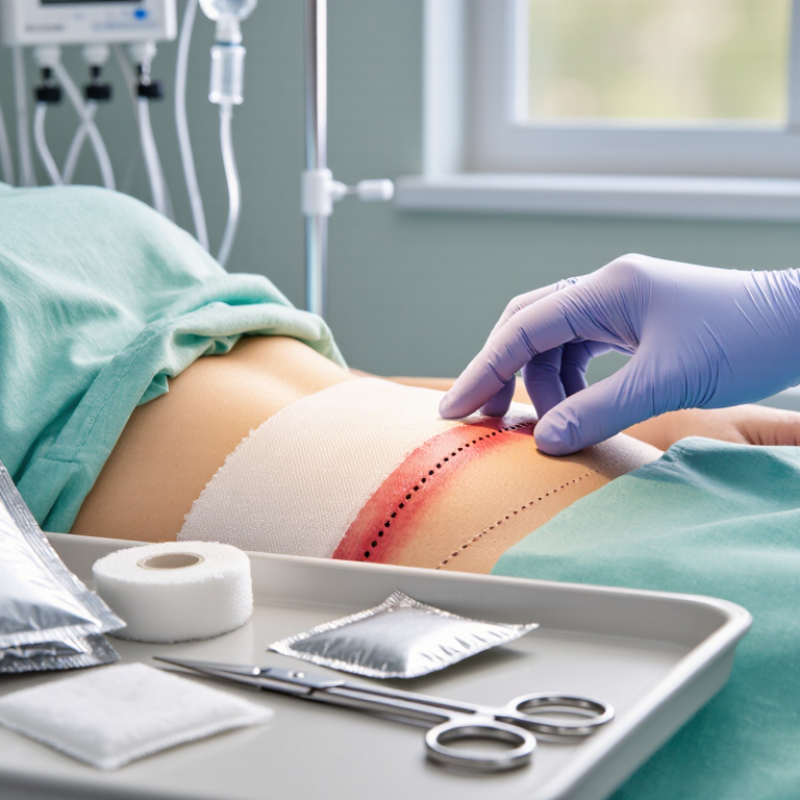
Why Use Antimicrobial Dressings After Surgery?

How Surgical Wounds Heal and Why Infection Prevention Matters

Why Use Antimicrobial Dressings After Surgery?

How Surgical Wounds Heal and Why Infection Prevention Matters

A surgical incision begins healing as the body controls bleeding and sends immune cells to the area. Over the next days, new tissue forms beneath the skin, while the edges gradually close. Later, collagen strengthens the wound, though the scar may keep changing for months.

Healing takes time. A clean, dry dressing protects the incision from friction, drainage, and contact with hands or clothing.

Antimicrobial dressings can help reduce microbes at the wound surface when a care team considers them appropriate. They may be useful when infection risk is elevated, but they are not necessary for every incision and cannot replace careful wound care.

More treatment is not always better; some products can irritate skin or slow healing if used incorrectly. Follow the surgeon’s instructions, including when to change or remove the dressing.

Small details matter. Watch for spreading redness, increasing warmth, worsening pain, pus, or fever, and contact the care team if these appear. Mild redness near fresh stitches can be normal, which makes changes over time more informative than one glance.

When in doubt, ask rather than adding an unprescribed product.

How Antimicrobial Dressings Help Reduce Postoperative Infection Risk

Why Use Antimicrobial Dressings After Surgery?

How Antimicrobial Dressings Help Reduce Postoperative Infection Risk

After surgery, a dressing does more than cover an incision. Some antimicrobial dressings contain agents that limit microbial growth at the wound surface. By reducing microbes near the incision, they may lower one part of postoperative infection risk. They cannot eliminate risk. Infection can also depend on the procedure, a patient’s health, and wound care. A dressing is one layer of protection, not a substitute for clean technique or follow-up.

The right choice depends on the wound and dressing material; antimicrobial products are not interchangeable. A clinician may consider drainage, skin sensitivity, and how often the dressing needs changing. At home, keep it in place as directed. Wash hands before handling it, and watch for increasing redness, warmth, swelling, worsening pain, pus, or fever. Contact the care team if these appear, or if the dressing becomes wet or loose.

Small details matter. Still, it is easy to assume an antimicrobial label means stronger protection in every case. That assumption deserves a pause: suitability varies, and some wounds need a simple dressing instead. Ask the surgical team what to use and when to change it.

Types of Antimicrobial Agents Used in Surgical Dressings

Why Use Antimicrobial Dressings After Surgery?
Types of Antimicrobial Agents Used in Surgical Dressings

Antimicrobial dressings can help manage microbial growth at a surgical incision, but they are not needed for every patient. The agent matters. Silver dressings release ions that interfere with microbial processes; iodine-based dressings provide broad antimicrobial activity. PHMB (polyhexamethylene biguanide) acts on microbial cell membranes, while medical-grade honey can create conditions that discourage growth. These agents are not interchangeable, and evidence for routine use varies by wound and patient.

The World Health Organization’s 2016 Global Guidelines for the Prevention of Surgical Site Infection report that surgical site infections affect about 11% of patients undergoing surgery in low- and middle-income countries. That figure highlights the burden, not proof that one dressing prevents infection. Clinicians should consider incision type, drainage, allergies, and local protocols. The choice is not always obvious; more antimicrobial activity does not automatically mean better healing.

Tips: Ask which agent the dressing contains and how long it should stay in place. Keep the incision clean and dry as instructed, and watch for increasing redness, warmth, pain, or drainage. Report concerns to your care team promptly. A dressing is only one part of prevention.

Why Use Antimicrobial Dressings After Surgery? - Types of Antimicrobial Agents Used in Surgical Dressings

Antimicrobial agent How it works Common dressing forms Potential role after surgery Important considerations
Silver (including ionic silver) Silver ions can disrupt multiple processes in microbes, including cell membranes and enzymes. Silver-containing foam, alginate, hydrofiber, or other absorbent dressings. May be considered for selected wounds with suspected or confirmed local bioburden, particularly when exudate needs management. Not generally needed for every clean, closed surgical incision. Use for a limited, clinically reviewed period; follow product instructions and monitor wound progress.
Iodine (such as cadexomer iodine or povidone-iodine formulations) Releases iodine, which acts against a broad range of microorganisms. Iodine-impregnated dressings, gels, or absorbent beads, depending on formulation. May be used for selected open or exuding wounds when an antiseptic dressing is appropriate. Check the specific formulation and patient history. Prolonged or extensive use may affect thyroid function; seek clinical guidance for people with thyroid disease, during pregnancy, or when treating large areas.
Polyhexamethylene biguanide (PHMB) Damages microbial cell membranes and is used as a topical antiseptic. PHMB-containing gauze, foam, or wound-contact layers. Can be considered for selected wounds where local antimicrobial management is needed, alongside appropriate cleansing and wound care. Evidence and suitability vary by wound type and dressing. Stop and seek advice if irritation or a sensitivity reaction develops.
Medical-grade honey Creates conditions that can inhibit microbial growth; its effects depend on the preparation and wound environment. Medical-grade honey gels, impregnated dressings, or sheets. May be used for selected open wounds as part of a wound-care plan; it is not a substitute for surgical assessment or treatment of infection. Use only sterile, medical-grade products—not household honey. Consider known sensitivities and expect that some products may cause stinging or increase drainage.
Chlorhexidine Disrupts microbial cell membranes and is used in some antiseptic dressings. Chlorhexidine-impregnated dressings, especially those designed for catheter insertion sites. Most established dressing use is for selected catheter sites; it is not a routine dressing choice for every surgical incision. Check for chlorhexidine allergy. Avoid contact with the eyes, ears, and nervous-system tissues, and follow the product’s site-specific instructions.

Clinical note: Antimicrobial dressings are intended for selected situations, not as a replacement for sterile technique, appropriate wound cleaning, or assessment of a possible surgical-site infection. The choice should be based on the wound, patient factors, and local clinical guidance.

How to Select and Apply an Antimicrobial Dressing After Surgery

Selecting an antimicrobial dressing after surgery starts with the wound, not the product label. Ask the surgical team whether antimicrobial coverage suits your incision and how long the dressing should stay in place. The choice may depend on drainage, incision location, skin sensitivity, and closure method. A dressing for a dry, closed incision may not suit a wound that is still draining. Small differences matter.

Before changing the dressing, wash your hands and prepare a clean, dry surface. Remove the old dressing gently; if it sticks, moisten it as directed rather than pulling. Take it slowly. Check the incision for increasing redness, warmth, swelling, worsening pain, odor, or cloudy drainage. These signs need prompt medical advice. Follow the clinician’s instructions and the dressing directions for cleaning, placement, and replacement. Keep the absorbent pad centered over the incision, and avoid touching its inner surface.

People sometimes choose a stronger-looking product because it seems safer. That assumption can be wrong: antiseptic ingredients may irritate sensitive skin, and antimicrobial dressings are not needed for every incision. If a rash appears, the dressing leaks, or its edges lift, contact the care team for guidance. I would not guess at a replacement schedule; it varies with the wound and product. When instructions conflict, call the surgical clinic.

Why Use Antimicrobial Dressings After Surgery?

How to Select and Apply an Antimicrobial Dressing After Surgery

How to read this chart: The bars show broad, historical ranges of surgical site infection rates by wound class; actual rates vary with procedure, patient factors, and surveillance methods. These figures are not an individual risk prediction.

Antimicrobial dressings may be considered when a clinician identifies a specific need, but they are not necessary for every closed surgical incision. Follow your surgical team’s instructions: use hand hygiene and aseptic technique when changing a dressing, and replace it as directed or if it becomes wet, loose, or soiled. Do not apply an antimicrobial product unless your care team recommends it.

Guidance: CDC, Guideline for the Prevention of Surgical Site Infection (2017); NICE, Surgical site infections: prevention and treatment (NG125).

When to Change a Dressing and Seek Medical Advice

After surgery, change your dressing on the schedule provided by your care team. If it becomes wet, dirty, loose, or soaked with fluid, contact the clinic for instructions; do not pull off an antimicrobial dressing unless you were told to. NICE guidance recommends aseptic, non-touch technique when surgical dressings are changed or removed. Small detail, but clean hands matter.

Watch the skin around the wound. Increasing redness, warmth, swelling, worsening pain, cloudy drainage, or a new unpleasant smell deserves a call to your surgeon or nurse. Seek advice promptly if the wound edges separate, or you develop fever or chills. A dressing can look tidy while the skin underneath changes. Wound healing is not always neat.

The World Health Organization’s 2018 global guidelines report that surgical-site infections affect up to 11% of patients undergoing surgery in low- and middle-income countries. That figure describes populations, not your personal risk, but it explains why monitoring matters. Antimicrobial dressings may be recommended for some wounds; they do not replace follow-up or clinical advice. If symptoms worsen quickly, or you feel seriously unwell, seek urgent medical care. When in doubt, call the team that treated you.

FAQS

What does an antimicrobial dressing do?

It can limit microbial growth near the wound and may reduce one part of infection risk. It cannot prevent every infection.

Does it replace clean wound care?

No. Wash your hands before handling the dressing, and follow your care team’s instructions. It is only one layer of protection.

How is the right dressing chosen?

A clinician may consider drainage, skin sensitivity, and how often the dressing needs changing. A simple dressing may suit some wounds. The label alone does not tell the whole story.

When should I change my dressing?

Follow the schedule provided by your care team. Use clean, non-touch technique when changing or removing it. Small details matter.

What if the dressing gets wet or loose?

Contact your clinic for instructions. Do not remove an antimicrobial dressing unless you were told to.

Which wound changes should I report?

Call your surgeon or nurse if redness, warmth, swelling, pain, cloudy drainage, or an unpleasant smell increases. A tidy dressing can hide changes underneath.

What if the wound opens or I develop a fever?

Contact your care team promptly if the wound edges separate or you have fever or chills. Seek urgent care if you feel seriously unwell.

Does the reported infection rate predict my personal risk?

No. A global report describes groups of patients, not your individual risk. Follow-up still matters.

Conclusion

Surgical wounds heal through a natural process that includes inflammation, tissue repair, and gradual closure. During recovery, bacteria can enter the wound and increase the risk of infection, which may delay healing. Why use antimicrobial dressings for post-op recovery? These dressings can help limit microbial growth at the wound surface while also protecting the area from friction and outside contaminants. Depending on the product, antimicrobial agents may include substances such as silver, iodine, or certain antiseptic compounds; the appropriate option depends on the wound and individual needs.

To choose and apply a dressing, follow the care instructions provided by a healthcare professional, keep hands and supplies clean, and avoid placing a dressing on the wound if it is unsuitable for that type of surgery. Change it as directed, or sooner if it becomes wet, dirty, loose, or saturated. Seek medical advice for worsening redness, warmth, swelling, increasing pain, unusual drainage, fever, or other concerns. An antimicrobial dressing supports wound care but does not replace professional guidance or prescribed treatment.

Madeline

Madeline

Madeline is a dedicated marketing professional with a wealth of expertise in our company's core offerings. With a keen understanding of the industry, she brings a unique perspective to her role, consistently delivering high-quality content that highlights the superior aspects of our products. As......