Evolve Medical
Maintaining battery life for power wheelchairs is crucial for users relying on mobility aids. Proper care extends battery longevity, ensuring that users can travel comfortably. Understanding how to maintain battery life for power wheelchairs involves both habits and practices that can significantly enhance performance.
Many users underestimate their power wheelchair's battery care. Simple practices, such as avoiding deep discharges, can make a difference. Regularly checking connections and maintaining cleanliness are essential, too. Battery technology has advanced, but neglecting these tips leads to diminished capacity. Users often overlook charging cycles and usage patterns, which can result in unexpected breakdowns.
With practical strategies in hand, users can optimize battery performance. It’s about making informed choices and developing awareness. Mistakes can occur, like failing to charge correctly. Reflecting on these experiences helps improve battery management. Addressing common pitfalls enhances reliability and ensures mobility aids serve their purpose effectively.
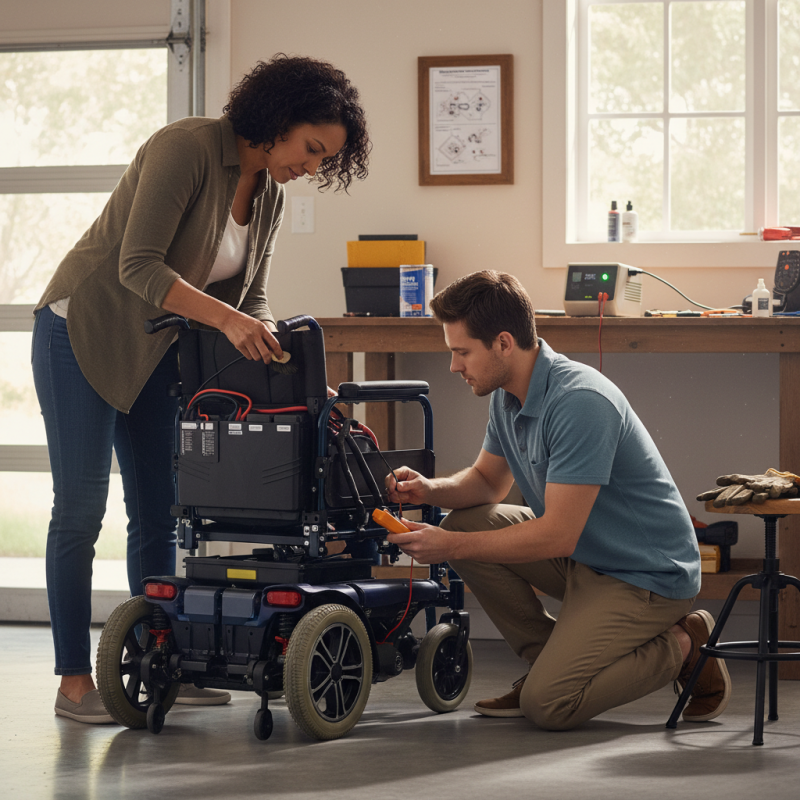
Understanding the basics of power wheelchair batteries is essential for maximizing their lifespan. These batteries are typically lead-acid or lithium-ion. Each type has unique care requirements. Lead-acid batteries need regular charging to avoid sulfation, while lithium-ion batteries should not be fully discharged frequently.
Tips for maintaining battery life include ensuring your wheelchair is stored in a cool, dry place. Heat can degrade battery performance. Regularly check the battery terminals for corrosion. Corroded terminals can hinder charging efficiency.
Another useful tip is to charge your battery after each use. Partial discharges can lead to shorter lifespans. If you won’t use your wheelchair for an extended period, charge it every few weeks. Batteries can develop memory effects if not maintained properly. Learning to recognize the signs of a failing battery is crucial. You may notice reduced range or slower speeds, indicating a need for inspection or replacement.
Battery life in power wheelchairs is greatly influenced by several key factors. Understanding these can help users maintain optimal performance. One crucial factor is the type of battery used. Lead-acid batteries are common but have a shorter lifespan compared to lithium-ion batteries. According to industry reports, lithium-ion batteries can last up to three times longer, thus providing more reliable energy output for mobility aids.
Another significant aspect is the usage patterns of the wheelchair. Frequent short trips may lead to incomplete charging cycles. This can degrade battery life over time. Additionally, environmental conditions play a role. Batteries operate less efficiently in extreme temperatures. For instance, cold weather can reduce battery capacity by as much as 30%. Proper maintenance is therefore essential. Regular cleaning of battery terminals can help prevent corrosion and maintain connectivity.
Charging habits are also pivotal. Leaving a battery connected to the charger indefinitely may cause it to overheat, which can reduce longevity. Data suggests that charging should occur after every use, rather than allowing deep discharges. This proactive approach can prolong the overall lifespan of the battery. By understanding these factors, users can enhance their power wheelchair's efficiency and reliability significantly.
Proper charging practices are essential for maintaining the battery life of power wheelchairs. One effective method is to charge your battery after each use. This helps avoid deep discharges, which can shorten battery life. Always ensure that the charger is compatible with your wheelchair. A mismatch can lead to inefficiencies or even damage.
Consider the ambient temperature when charging. Batteries perform best in a moderate climate. Extreme heat or cold can harm battery capacity. Monitor the charging time closely. Overcharging can lead to overheating, which negatively affects long-term health. Unplug the charger promptly when the battery is full.
Regularly cleaning the battery terminals can improve connectivity. Dust and corrosion can impede performance. Reflect on your charging habits. Are you using the same outlet or charger frequently? Changes in your routine might help optimize battery longevity. Adopting a mindful approach can greatly enhance the lifespan of your power wheelchair battery.
Maintaining battery life for power wheelchairs is crucial. Batteries degrade faster without proper care. According to the National Institute on Aging, batteries can lose up to 30% of their lifespan due to neglect. Regular maintenance can significantly extend their usability.
One important tip is to charge the batteries correctly. Overcharging or under-charging can cause damage. Keeping the wheelchair in a stable, dry environment also helps. Extreme temperatures can lead to battery failure. Research shows that consistent temperature control can improve battery life by 25%.
Additionally, regular inspections are vital. Check for corroded terminals and ensure clean connections. Finding issues early can prevent larger problems later. A study noted that routine checks could enhance battery performance by as much as 20%. Many users overlook these details, leading to unplanned replacements and frustrations.
Regular maintenance is not just a good practice; it’s essential for maximizing the battery's lifespan and efficiency.
Power wheelchair batteries are crucial for mobility and independence. However, users must recognize signs of battery wear to ensure reliability. The most notable symptom is a significant decrease in speed or distance. According to industry research, up to 30% of users experience reduced performance due to battery degradation. This degradation often occurs after 18-24 months of regular use, depending on the type of battery.
Another vital indicator is physical wear. Users should examine for swelling or leaks. These issues indicate battery failure and can pose safety risks. A study by industry experts suggests that up to 40% of users do not monitor their batteries. Neglecting such signs can lead to unexpected breakdowns. Regular checks and maintenance can prolong battery life and enhance performance. Ultimately, understanding these signs ensures users maintain mobility without interruptions.
: Power wheelchairs typically use lead-acid or lithium-ion batteries. Each type has different maintenance needs.
Store your wheelchair in a cool, dry place. Heat can degrade performance over time.
Charge your battery after each use. This prevents deep discharges that can shorten its lifespan.
Regularly check and clean corroded terminals. This helps maintain charging efficiency.
Look for reduced speed or range. These can indicate a need for inspection or replacement.
Extreme heat or cold can harm battery capacity. Charge your battery in moderate temperatures.
Yes, overcharging can cause overheating and harm long-term battery health. Unplug when fully charged.
Regular checks are crucial. Look for swelling or leaks, which may signal failure.
Neglect can lead to unexpected breakdowns. Many users don’t monitor their batteries effectively.
Early recognition helps avoid mobility disruptions. Regular maintenance enhances performance and reliability.
Maintaining battery life for power wheelchairs is essential for ensuring reliable mobility and independence. To effectively manage battery performance, it's critical to understand the basics of power wheelchair batteries, including the types and their capacities. Key factors that influence battery life include usage patterns, environmental conditions, and charging habits. By adopting effective charging practices, such as avoiding complete discharges and overcharging, users can significantly enhance battery longevity.
Regular maintenance is another vital aspect of battery management. This includes keeping terminals clean, checking water levels in wet-cell batteries, and following manufacturer guidelines. Additionally, being aware of signs of battery wear, such as reduced range or slower performance, can help users recognize when it's time for a replacement. Overall, knowing how to maintain battery life for power wheelchairs can lead to improved performance and extended usability.