Evolve Medical Evolve Medical

Why Choose Manual or Electric Rehabilitation Equipment for Your Needs?

Time:2026-08-17 Author:Madeline
0%

Choosing the right rehabilitation equipment is crucial for your recovery journey. Patients often face the dilemma of selecting between manual and electric options. Each type has its unique advantages and challenges. Understanding these differences aids in making an informed choice.

How to choose between manual and electric rehabilitation equipment can significantly impact your therapy sessions. Manual equipment may offer a more hands-on experience, promoting physical engagement. However, it requires more effort and energy. Electric options can provide convenience and efficiency but might feel less personal. Patients should consider their specific needs, physical capabilities, and rehabilitation goals.

Evaluating your preferences is essential. You may prefer the simplicity of manual devices but find electric options more suitable for advanced therapies. Reflecting on your unique situation can lead to better choices. It’s crucial to consult with healthcare professionals to guide you. Their expertise ensures that you select the rehabilitation equipment that truly meets your needs.
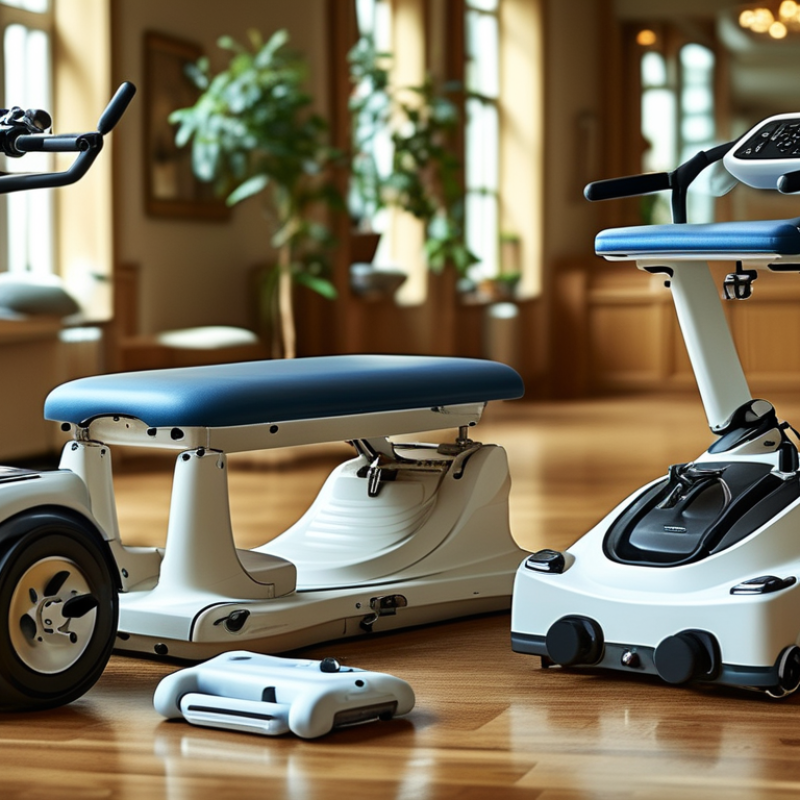
Why Choose Manual or Electric Rehabilitation Equipment for Your Needs?

Understanding Manual Rehabilitation Equipment: Benefits and Limitations

Manual rehabilitation equipment plays a crucial role in physical therapy and recovery. One key benefit is its versatility. Users can often tailor exercises to their specific needs, which promotes a personalized rehabilitation experience. For instance, resistance bands allow for adjustments in intensity, catering to different fitness levels. This adaptability can lead to greater confidence and motivation during recovery.

However, limitations exist. Manual equipment may require more physical effort and proper technique. Patients may struggle with using them effectively, leading to potential injuries. Moreover, consistent use demands discipline. Not everyone can commit the time or effort necessary for manual rehabilitation routines. Recognizing these challenges can help therapists address them in their treatment plans.

In some cases, users may feel frustrated. Progress might be slow, and certain exercises can become monotonous. This can affect motivation and adherence to a rehabilitation program. It’s essential to find ways to maintain engagement while navigating these obstacles. The importance of mental resilience in recovery cannot be overlooked. Each patient’s journey is unique, and reflecting on one's progress can help in overcoming hurdles.

Exploring Electric Rehabilitation Equipment: Features and Advantages

Electric rehabilitation equipment offers a range of features that can significantly enhance recovery. These devices use motors and technology to assist patients in their exercises. Users often find them easier to operate compared to manual alternatives. Sensors in the equipment can track progress, providing real-time feedback. This instant data allows for tailored rehabilitation plans that adapt as the patient's needs change.

One notable advantage is the consistency of electric devices. They ensure a uniform performance that can lead to more accurate results. However, it’s important to consider that reliance on technology may reduce one’s physical stamina over time. Patients must balance their use of electric equipment with manual exercises to maintain overall fitness. Engaging in both types enables a comprehensive approach to rehabilitation, fostering physical strength and mental resilience. This dual strategy can reveal insights about a patient’s limits, encouraging personal growth through reflection.

Comparing Cost Efficiency: Manual vs. Electric Rehabilitation Options

When considering rehabilitation equipment, cost efficiency plays a key role. Manual options often have lower upfront costs. They require little maintenance and offer flexibility in use. For patients on a budget, manual equipment can be a practical choice. Many find it easy to learn and use effectively.

Electric rehabilitation equipment usually comes with a higher price tag. However, it offers advanced features that improve user experience. Electric devices often have programmable settings, allowing for tailored rehabilitation plans. While the initial investment is higher, long-term benefits may justify the cost. They can lead to quicker recovery times for some patients.

Yet, it’s essential to consider the user’s needs. Some may find manual options more relatable, fostering a better engagement. Others might struggle with manual use due to physical limitations. Choosing the right equipment demands careful evaluation of individual circumstances. Balancing cost against effectiveness is crucial in making the best decision.

Why Choose Manual or Electric Rehabilitation Equipment for Your Needs? - Comparing Cost Efficiency: Manual vs. Electric Rehabilitation Options

Feature Manual Rehabilitation Equipment Electric Rehabilitation Equipment
Initial Cost Lower ($100 - $1,000) Higher ($500 - $5,000)
Maintenance Costs Low (minimal maintenance) Moderate to High (regular servicing)
Ease of Use Requires physical strength User-friendly with automation
Training Needed Minimal training required Specific training may be needed
Portability Highly portable Less portable, often stationary
Versatility Limited to specific exercises Wide range of functionalities

Assessing User Needs: Which Type of Equipment is Right for You?

When considering rehabilitation equipment, it's essential to assess your unique needs. Manual equipment offers control and engagement. It requires physical effort, promoting strength and coordination. Electric devices provide ease and accessibility. They can be beneficial for users with limited mobility or severe conditions. Understanding your capabilities will guide your decision.

Tips: Consider what level of independence you desire. This can influence whether manual or electric equipment is suitable. Take time to evaluate your physical limitations and goals. Research various options to see what aligns with your needs.

Users should be aware of their environment. Space may dictate the type of equipment that fits comfortably. Electric devices often need power sources. Manual tools may require more physical effort but use less space. Think about your daily routines and how each type plays a role. Is a balance of effort and support best for you? Your choice should resonate with your lifestyle and preferences.

Comparison of User Preferences: Manual vs. Electric Rehabilitation Equipment

Future Trends in Rehabilitation Equipment: Innovations and Developments

The landscape of rehabilitation equipment is evolving rapidly. Innovations focus on improving user experience and outcomes. Manual equipment remains crucial, but electric options offer new capabilities. Advanced features in electric devices enhance engagement and track progress more effectively. Users benefit from tailored rehabilitation protocols that adapt to their needs.

When choosing equipment, consider the individual's specific requirements. User comfort and ease of use are vital. Electric machines can be intimidating for some. Test different options to find the right fit. Incorporating a mix of both manual and electric tools can offer a comprehensive approach to rehabilitation.

Future trends indicate a shift toward personalized rehabilitation. Virtual reality and AI technology are emerging to create immersive experiences. These innovations may help users stay motivated and committed. However, assessing the effectiveness of such technologies is essential. Despite the excitement, it is crucial to remain critical. Not every new tool will suit every user. Therefore, continued research and thoughtful integration are necessary as the field advances.

FAQS

: What should I assess before choosing rehabilitation equipment?

: Evaluate your unique needs and capabilities. Understand your physical limitations and desired level of independence.

What are the benefits of manual equipment?

Manual equipment promotes strength and coordination. It offers control and engagement, requiring physical effort.

Why might someone prefer electric devices?

Electric devices provide ease and accessibility, beneficial for users with limited mobility or severe conditions.

How can my environment affect my equipment choice?

Space may dictate the type of equipment. Electric devices often need power sources; manual tools take less space.

What should I consider about my daily routines?

Reflect on how different equipment types fit into your lifestyle. Balance between effort and support is key.

Are there future trends in rehabilitation equipment?

Yes, innovations are enhancing user experience. Virtual reality and AI are emerging for personalized rehabilitation.

What is critical when trying new technologies?

Assess the effectiveness of new tools. Not every innovation will suit every user, so be thoughtful.

How important is user comfort in choosing equipment?

User comfort and ease of use are vital. Test different options to find what feels right for you.

Can combining types of equipment be beneficial?

Yes, a mix of manual and electric tools can offer a comprehensive approach to rehabilitation.

What should I remember about new rehabilitation tools?

Stay critical. Not all new tools will work well for everyone, and research is necessary.

Conclusion

When considering how to choose between manual and electric rehabilitation equipment, it is essential to understand both options' benefits and limitations. Manual rehabilitation equipment often provides versatility and tactile engagement, allowing users to focus on structured movements, although it may require more physical effort. In contrast, electric rehabilitation equipment offers convenience and advanced features, such as programmable settings and automated assistance, which can enhance user experience and promote efficient recovery.

Cost efficiency also plays a crucial role in decision-making, as manual options tend to be more affordable upfront, while electric choices may incur higher initial costs but can potentially offer long-term savings through increased effectiveness. Ultimately, assessing individual user needs is vital to selecting the appropriate equipment. As the field of rehabilitation continues to innovate, staying informed about future trends can equip users with the knowledge needed to make the best choice for their rehabilitation journey.

Madeline

Madeline

Madeline is a dedicated marketing professional with a wealth of expertise in our company's core offerings. With a keen understanding of the industry, she brings a unique perspective to her role, consistently delivering high-quality content that highlights the superior aspects of our products. As......