Evolve Medical Evolve Medical

How to Choose Between Manual and Electric Rehab Equipment?

Time:2026-05-05 Author:Henry
0%

Choosing the right rehabilitation equipment is crucial for effective recovery. The decision between manual and electric options can be overwhelming. Many individuals face this dilemma without fully understanding the differences.

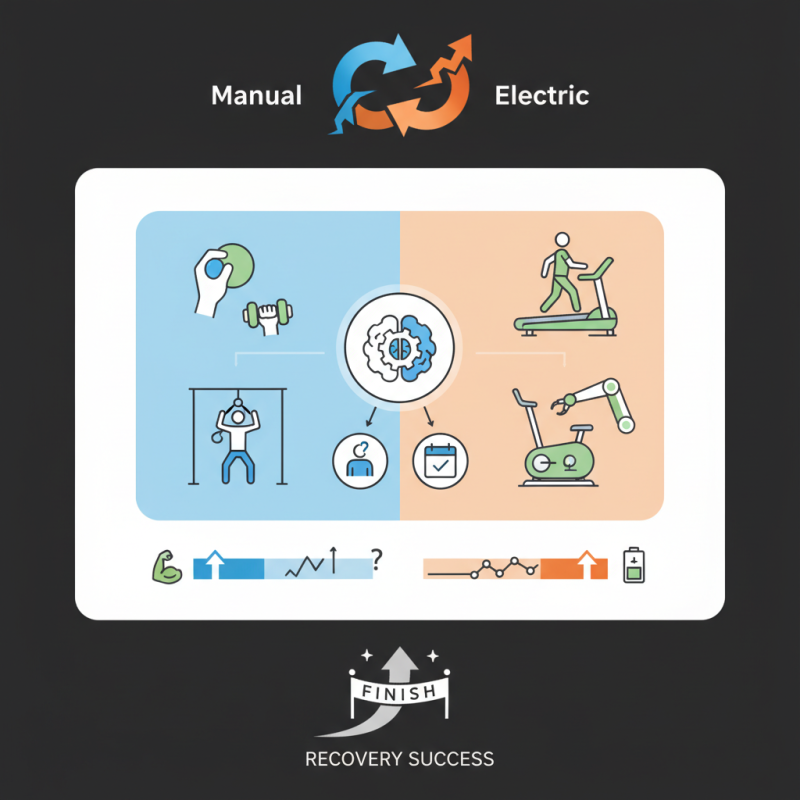
Manual rehabilitation equipment, such as hand grips and therapy balls, offers portability and simplicity. Users might appreciate the control it provides during workouts. However, it requires more physical effort and may not suit everyone. On the other hand, electric rehabilitation equipment, like motorized treadmills or stationary bikes, can aid in consistent progress. These devices often help users maintain a steady pace with less effort. Yet, they may feel less personal.

When deciding, consider your specific needs. Reflect on current physical limitations and your long-term goals. Assess the benefits of both types of equipment. Understanding how to choose between manual and electric rehabilitation equipment can play a vital role in recovery success. Careful consideration will lead to better outcomes.
How to Choose Between Manual and Electric Rehab Equipment?

Factors to Consider When Choosing Rehab Equipment: Manual vs. Electric

Choosing between manual and electric rehab equipment is crucial for effective recovery. When assessing the options, consider the user's physical abilities and preferences. Manual devices often demand more effort and can enhance strength. However, they may not be suitable for everyone. Some individuals may tire easily or have limited mobility, making electric options more suitable.

The intended use is also significant. Manual equipment can facilitate a more hands-on approach, encouraging active participation in rehab. In contrast, electric devices often provide assistance, making them easier to use for longer periods. Think about the environment—home settings might benefit more from equipment that fits seamlessly into daily routines.

Price and maintenance are practical factors too. Manual equipment typically has lower upfront costs. With electric devices, you might need to budget for repairs and power usage. It's essential to weigh these considerations carefully. Assessing personal needs against these factors often reveals a path forward, but reflection is key to making the best choice. Rushing can lead to regrets later on.

Comparison of Manual and Electric Rehab Equipment

Cost Analysis: Comparing Expenses of Manual and Electric Rehab Equipment

When considering manual and electric rehab equipment, cost analysis is crucial. Manual rehab equipment often has a lower initial purchase price. However, long-term costs can add up. For instance, users may require assistance or additional tools, increasing the overall expenses. Maintenance is also a factor to consider. Manual equipment generally requires less mechanical upkeep, making it enticing.

On the other hand, electric rehab equipment can be more expensive upfront. It offers ease of use and efficiency, potentially reducing therapy time. This aspect can be an attractive option for clinics with high patient volumes. Despite the higher price, the investment can pay off in the long run. However, some clinics may find themselves unprepared for ongoing electric costs.

Ultimately, both options have their pros and cons. Facilities must assess their specific needs and budgets. Considering patient demographics can guide this decision. It's essential to reflect on how each type of equipment aligns with treatment goals. Each choice requires thoughtful consideration of both immediate and future financial impacts.

Patient Needs: Assessing Individual Requirements for Rehab Equipment

Choosing the right rehabilitation equipment is crucial for effective patient recovery. Each patient has unique needs that should guide equipment selection. According to the American Physical Therapy Association, a personalized approach can enhance patient outcomes significantly. Individual assessments can identify specific injuries and mobility issues, leading to more effective therapy choices.

Manual equipment may benefit patients who require active involvement in their recovery process. It encourages muscle engagement and cognitive focus. However, electric equipment can assist those with severe limitations. Studies reveal that electric devices can improve recovery speed by up to 30% for certain conditions. Nonetheless, it is essential to consider the patient's physical capabilities and personal preferences when determining the right fit.

It's important to recognize that not every patient responds the same way to all types of equipment. Some may initially struggle with electric devices due to lack of familiarity. Others may find manual options too strenuous. Encouraging open discussions about comfort and preferences can create a more supportive environment. Ultimately, balancing patient needs and equipment capabilities is key to effective rehabilitation.

How to Choose Between Manual and Electric Rehab Equipment? - Patient Needs: Assessing Individual Requirements for Rehab Equipment

Feature Manual Rehab Equipment Electric Rehab Equipment
Cost Lower initial investment Higher initial investment, but potential for insurance coverage
Ease of Use Requires more physical effort User-friendly with automated features
Maintenance Generally lower maintenance Regular maintenance and potential repairs needed
Flexibility More adaptable for various exercises Limited to preset programs
Space Requirement Typically more compact Often requires more space
Patient Engagement Encourages physical effort and engagement Can enhance engagement through interactive features

Effectiveness and Outcomes: Evaluating the Success Rates of Each Type

When evaluating the success rates of manual versus electric rehab equipment, outcomes can vary significantly. Studies indicate that electric equipment often enhances recovery speed. For instance, a report by the Journal of Rehabilitation Research found that patients using electric devices had a 20% faster recovery rate compared to those using manual options.

However, manual equipment allows for a more personalized experience. Patients often feel more engaged when they are actively participating in their rehab. Research published in the Journal of Physical Therapy suggests that personal engagement can lead to lower dropout rates. Approximately 30% of users remain committed to long-term rehab goals when using manual equipment.

Still, potential limitations exist. Dependence on electric devices may hinder muscle engagement for some. Users might lean too heavily on assistance, causing a lack of strength development. Evaluating individual needs and preferences is crucial in determining which type is more effective for each patient. Balancing the benefits of both approaches can lead to improved outcomes.

Industry Trends: The Growing Shift Towards Electric Rehab Solutions

The rehabilitation industry is witnessing a significant shift towards electric solutions. Clinics are increasingly replacing manual equipment with electric devices. This trend reflects a growing recognition of the benefits electric equipment offers for both patients and therapists.

Electric rehab equipment often provides precise adjustments and a greater range of motion. This allows for tailored therapy sessions. Additionally, these machines are easier to operate, reducing the physical strain on therapists. However, some practitioners question the reliance on technology. They worry that it may lead to less hands-on interaction with patients, which is essential in rehabilitation.

The benefits of electric equipment are clear, but there are challenges to consider. The upfront costs can be high, making it harder for smaller clinics to invest. Maintenance and repairs also pose concerns, as specialized knowledge is required. Balancing the convenience of electric tools with traditional methods remains a topic worth exploring.

FAQS

: What is the primary factor to consider when choosing rehab equipment?

: User's physical abilities and preferences are crucial for choosing effective rehab equipment.

Why might manual rehab equipment be less suitable for some users?

Manual devices require more effort and may not work for those with limited mobility or who tire easily.

What advantage do electric rehab devices offer?

Electric rehab devices are easier to use for longer periods, making them suitable for individuals with severe limitations.

How do manual and electric rehab equipment differ in cost?

Manual equipment usually has lower initial costs, while electric devices can incur additional long-term expenses.

What is an important consideration for facilities when selecting rehab equipment?

Facilities should assess their specific needs and budgets to choose the right type of equipment.

How does patient necessity influence equipment selection?

Individual assessments can identify a patient's specific injuries, ensuring equipment aligns with their therapy goals.

Can comfort and familiarity with equipment affect patient recovery?

Yes, some patients may struggle with unfamiliar electric devices; discussions about comfort can improve outcomes.

What role does maintenance play in equipment choice?

Manual equipment generally requires less maintenance, making it potentially more cost-effective in the long run.

Why is balancing patient needs with equipment capabilities essential?

Not all patients respond the same way, so customization helps enhance recovery effectiveness.

How can rushing the decision-making process impact equipment choice?

Hastily making a decision can lead to regrets later on, making careful reflection vital for effective selection.

Conclusion

When considering how to choose between manual and electric rehabilitation equipment, several factors come into play. Cost analysis reveals that while manual options may appear more affordable initially, electric equipment can offer greater efficiency, potentially leading to improved outcomes and reduced long-term expenses. It is essential to assess individual patient needs, as preferences and physical capabilities significantly influence the choice of equipment.

Effectiveness and outcomes of rehabilitation therapies can vary between manual and electric options, with electric solutions often being favored for their ease of use and adaptability. Furthermore, industry trends indicate a growing shift towards electric rehabilitation technologies, reflecting an increasing recognition of their benefits in enhancing patient recovery processes. Ultimately, the decision hinges on balancing costs, patient requirements, and overall effectiveness in rehabilitation outcomes.

Henry

Henry

Henry is a dedicated marketing professional with a profound expertise in the company's offerings. With years of experience in the industry, he possesses an impressive understanding of the market dynamics and consumer behaviors that drive success. Henry is committed to sharing his insights through......