Choosing the right materials for respiratory components is crucial for patient safety. Medical-grade silicone stands out due to its unique properties. Why is medical grade silicone used in respiratory parts? According to a report by the FDA, silicone offers superior biocompatibility and chemical resistance compared to alternative materials.
In a study by the International Society for Medical Innovation, silicone's flexibility aids in creating comfortable masks and tubing, making it a preferred choice among manufacturers. Its inertness reduces the risk of allergic reactions. However, it's important to recognize that not all silicone is the same; the grade directly impacts performance and safety.
Moreover, as the market grows, manufacturers must be diligent in sourcing true medical-grade silicone. Failing to do so can lead to subpar product quality and potential health risks. Ensuring reliability in material selection is essential for maintaining industry standards and protecting patient health.
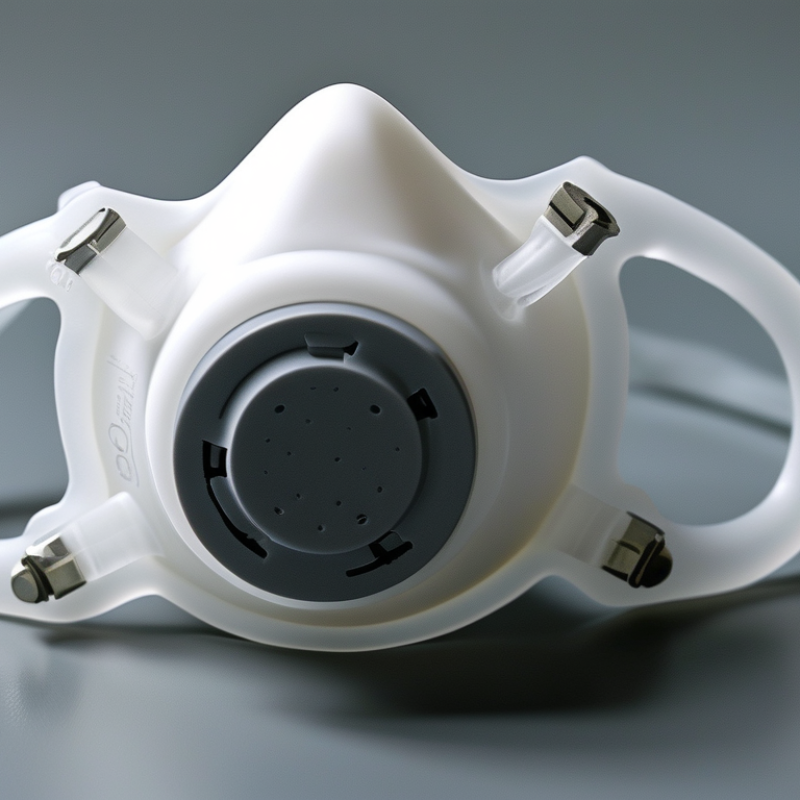
Benefits of Medical Grade Silicone in Respiratory Devices
Medical grade silicone is increasingly recognized for its advantages in respiratory components. Its biocompatibility is crucial, especially in devices that come into contact with sensitive tissues. Studies indicate that silicone can reduce the risk of adverse reactions in patients. This is significant, as inappropriate materials can lead to inflammation or other complications.
Another compelling benefit of medical grade silicone is its durability. According to industry reports, these materials endure extreme conditions, such as heat and moisture. This resilience ensures the longevity of respiratory devices, which are critical for patient care. Moreover, silicone is flexible, allowing it to conform to different shapes. This adaptability enhances comfort for users.
On the downside, some products may not meet rigorous standards consistently. The quality can vary among manufacturers. This necessitates careful selection and testing before deployment. Ensuring that components meet regulatory requirements is essential to avoid potential risks. Thus, while the benefits are clear, diligence is required in sourcing and evaluating medical grade silicone for respiratory devices.
Comparison of Medical Grade Silicone and Traditional Materials in Usage
Medical grade silicone has gained attention in respiratory components. Unlike traditional materials, it offers unique advantages. For instance, it is biocompatible, meaning it is safe for human use. This is crucial for devices like masks and tubing, which come in direct contact with the respiratory system.
Traditional materials, such as plastics, often contain additives that may leach into the body. This raises concerns about safety and long-term effects. In contrast, medical grade silicone is inert and does not react with the body. It is also more flexible and durable, providing a better fit and comfort for users.
However, medical grade silicone is not without its challenges. It can be more expensive than conventional materials. Some manufacturers may hesitate to switch due to costs. Additionally, the processing of silicone requires specific expertise, which not all facilities possess. Adopting this material may require an adjustment period for both manufacturers and users alike. The balance between cost and safety needs careful consideration.
Regulatory Standards for Medical Grade Silicone in Healthcare Applications
Medical grade silicone is a crucial material in respiratory components, particularly due to its adherence to stringent regulatory standards. The FDA classifies medical grade silicone under Class II medical devices, meaning it must meet specific performance benchmarks. According to a 2021 report by the Medical Device Innovation Consortium, over 75% of devices utilize silicone for its biocompatibility and durability.
The biocompatibility of medical grade silicone makes it suitable for long-term contact with bodily tissues. Studies reveal that silicone materials typically withstand sterilization processes better than alternatives, thus ensuring patient safety. Moreover, ISO 10993 regulations outline extensive testing protocols, assuring manufacturers that their products are safe and effective.
Manufacturers often conduct toxicity tests and cytotoxicity evaluations to meet these compliance standards. Failures in these tests can delay product launches and incur significant costs, highlighting the importance of adherence to regulatory frameworks.
Despite the advantages, challenges persist in ensuring consistent quality across batches. Variability in the manufacturing process can lead to differences in performance. For example, silicone could fail to perform under extreme conditions, compromising its function in critical respiratory applications. Continuous monitoring and rigorous testing protocols remain essential for maintaining the reliability of silicone components in healthcare. This complexity underscores the necessity for manufacturers to prioritize compliance and quality assurance throughout the production process.
Durability and Longevity of Silicone Components in Respiratory Equipment
Medical grade silicone has emerged as a preferred material for respiratory components due to its durability and longevity. Unlike conventional plastics, silicone can withstand extreme temperatures without losing its integrity. According to a report from the American Society for Testing and Materials (ASTM), silicone exhibits impressive tear strength, making it highly resilient in high-stress environments. This is crucial for respiratory equipment, where components face constant wear.
Additionally, silicone's resistance to degradation from environmental factors is noteworthy. A study published in the Journal of Biomedical Materials Research indicated that silicone maintains its mechanical properties after extensive exposure to UV light and ozone. The material can last significantly longer than typical alternatives, often exceeding ten years before signs of wear become apparent. However, not all silicone is created equal; some grades perform better under specific conditions, necessitating careful material selection.
While the benefits are clear, there are challenges to consider. Silicone components can be pricier than their plastic counterparts. In some cases, users may experience issues with silicone's stickiness or the potential for biofilm formation, which can complicate cleaning. These factors warrant regular inspection and maintenance routines to ensure reliability. Thus, while medical grade silicone offers impressive advantages in durability, it requires informed choices and diligent care to maximize its lifespan in respiratory applications.
Impact of Silicone on Patient Comfort and Compliance in Respiratory Therapy
In respiratory therapy, patient comfort is paramount. Medical grade silicone has gained traction due to its biocompatibility and softness. Studies indicate that up to 30% of patients report discomfort with traditional materials. Silicone's smooth texture reduces irritation on sensitive skin, improving overall patient experience.
Compliance is closely tied to comfort. A recent industry report found that 75% of patients are more likely to adhere to their therapy when using silicone components. This is crucial for effective treatment. Inconsistent use can lead to complications, prolonging recovery time. However, not all silicone is equal. Quality control and product standards are necessary to ensure safety and efficacy.
Despite its benefits, there are challenges. Some patients experience allergies to silicone, although this is relatively rare. Ongoing research is needed to address varying patient reactions. This highlights the importance of personalized care in respiratory therapy. Understanding individual needs can guide better material choices, ultimately enhancing patient outcomes.
FAQS
: Medical grade silicone is a biocompatible material used in healthcare. It is safe for human use and ideal for respiratory devices.
It is inert, flexible, and durable. Unlike plastics, it does not leach harmful additives into the body.
Yes, it can be more expensive. This cost may deter some manufacturers from adopting it.
It must meet FDA Class II standards, ensuring performance and safety. Compliance is critical for product efficacy.
Manufacturers must conduct toxicity tests and cytotoxicity evaluations to ensure safety for users.
Expertise in silicone processing is often necessary. Not all facilities have this capability, leading to potential production issues.
It withstands sterilization better, offering longevity. This is crucial for components needing regular cleansing.
Yes, differences in the manufacturing process can affect performance. Consistent quality control is essential.
It allows for long-term contact with body tissues, ensuring safety and reducing the risk of adverse reactions.
Product launches may be delayed, resulting in financial costs. This emphasizes the importance of strict compliance.
Conclusion
Medical grade silicone is increasingly favored for respiratory components due to its numerous benefits that enhance patient care. One of the primary reasons why medical grade silicone is used in respiratory parts is its biocompatibility; it minimizes the risk of adverse reactions while ensuring safety for patients using respiratory devices. Compared to traditional materials, medical grade silicone offers superior flexibility, durability, and resistance to degradation, which contributes to the longevity of respiratory equipment.
Additionally, regulatory standards ensure that only the highest quality silicone is utilized in healthcare applications, reinforcing its reliability. The smooth texture of silicone enhances patient comfort, ultimately improving adherence to respiratory therapies. In summary, the combination of safety, durability, patient comfort, and compliance makes medical grade silicone an ideal choice for respiratory components, addressing the critical needs in respiratory therapy.
 Evolve Medical
