Evolve Medical Evolve Medical

How to Choose the Right Protective Gear for Chemical Handling?

Time:2026-06-10 Author:Sophia
0%

Choosing the right protective gear for chemical handling is crucial in ensuring workplace safety. According to Dr. Emily Carter, an industrial safety expert, “The right equipment can mean the difference between safety and disaster.” Her insights reflect the importance of selecting appropriate gear based on the specific chemicals being handled.

When considering how to select protective equipment for chemical handling, it is essential to assess the nature of the chemicals involved. This includes their toxicity levels, corrosiveness, and potential for causing harm. For instance, using gloves made of latex in a lab with corrosive chemicals can lead to severe skin injuries. Thus, specific materials and designs should be prioritized.

Moreover, understanding the limitations of available gear is vital. Not all protective equipment meets the standards for every chemical. Some may wear down quicker than expected. Regular training and evaluations can help ensure that workers choose the best protection for their tasks. This ongoing reflection on equipment effectiveness can foster a culture of safety and vigilance in chemical handling environments.
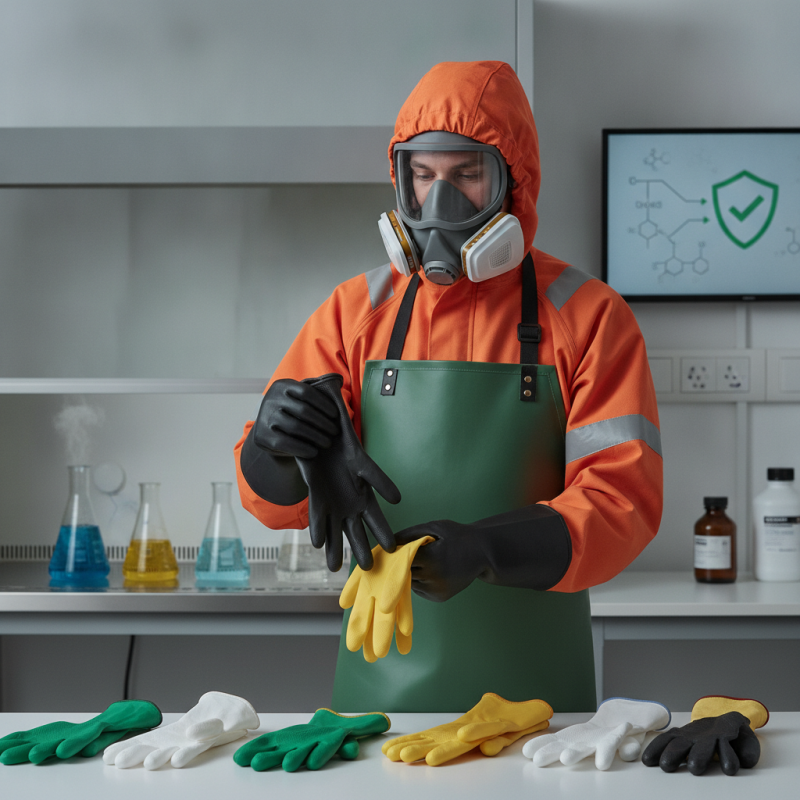
How to Choose the Right Protective Gear for Chemical Handling?

Understanding the Types of Chemicals and Their Hazards

Choosing the right protective gear for chemical handling involves understanding the types of chemicals and their associated hazards. Chemicals vary widely, from corrosive acids to toxic solvents. Each type presents different risks, requiring tailored protective measures. For instance, corrosive chemicals can cause severe skin burns, while inhalation of volatile compounds can lead to respiratory issues. According to the Occupational Safety and Health Administration (OSHA), over 1 million U.S. workers are exposed to hazardous chemicals each year.

When dealing with chemicals, consider their Physical State (solid, liquid, gas) and potential exposure routes (inhalation, skin contact). Protective gloves, goggles, and respiratory masks are vital. Selecting gear made from appropriate materials is crucial, as some chemicals can permeate through standard fabrics. Always refer to Safety Data Sheets (SDS) for detailed information about hazards and necessary protective equipment.

Tips:
Ensure proper fit for gear. Ill-fitting gloves or goggles can compromise safety. Regularly inspect equipment for damage. Signs of wear can indicate a need for replacement. Lastly, training on how to use gear properly is essential for safety. Use drills to prepare for emergencies involving chemical spills or exposure to hazardous substances.

Identifying the Appropriate Protective Gear for Different Risks

When handling chemicals, selecting the right protective gear is crucial. Different risks demand specific types of protection. For instance, gloves made of nitrile are ideal for solvents, while PVC provides better resistance against acids. A report from the National Institute for Occupational Safety and Health (NIOSH) highlights that nearly 50% of chemical exposure incidents occur due to inadequate protective equipment.

Respirators are essential when dealing with volatile substances. According to OSHA data, exposure to harmful vapors can lead to significant health issues. Employees must wear air-purifying respirators if the chemical vapors are above the permissible limits. It's vital to ensure that the respirator fits correctly for maximum effectiveness.

Additionally, eye protection is often overlooked. Safety goggles and face shields provide a critical barrier against splashes. Research shows that nearly 20% of workplace injuries involve chemicals splashing into the eyes. Ensuring workers understand the importance of proper gear can significantly reduce these risks. The choice of gear should reflect a thorough risk assessment of the specific workplace environment.

Evaluating Comfort and Fit in Protective Chemical Gear

When selecting protective gear for chemical handling, comfort and fit are critical factors. The right gear should enable workers to maintain mobility and perform tasks effectively. Studies indicate that only 30% of workers in hazardous environments report feeling comfortable in their PPE. This dissatisfaction can lead to non-compliance, increasing the risk of exposure to harmful substances.

Evaluating the fit of protective gear is equally important. A report from the National Institute for Occupational Safety and Health (NIOSH) highlights that poorly fitting gear can compromise safety. The report suggests that gear should allow for a full range of motion. It should not restrict bodily movements, as this can hinder workers' ability to react in emergencies.

Moreover, workers often express difficulties with the adjustment features of their gear. Overly tight or loose equipment can cause discomfort and distractions. In a recent survey, 45% of respondents indicated that gear-related discomfort impacted their productivity. Therefore, selecting protective gear that balances safety and comfort is not just a preference—it's a necessity for reducing workplace incidents.

Maintaining and Caring for Chemical Protective Equipment

Protective gear for chemical handling requires careful maintenance. Regular inspections are crucial for ensuring its effectiveness. Studies show that 30% of workplace incidents stem from improper equipment care. Inspecting gear for tears, cracks, or any wear can prevent hazardous exposure.

Cleaning is equally important. Most protective equipment should be cleaned after each use. A report from the Occupational Safety and Health Administration indicates that proper cleaning reduces contamination and extends the lifespan of the gear by up to 50%. Using mild soaps and water is often effective, but always follow manufacturer instructions.

Storing gear is another essential aspect. Equipment should be placed in a cool, dry environment to avoid degradation. UV exposure can weaken materials, so avoid direct sunlight. A survey indicates that improper storage can reduce gear effectiveness by 25%. Reflecting on these practices can help improve safety protocols in chemical handling environments.

How to Choose the Right Protective Gear for Chemical Handling?

This chart illustrates the level of protection offered by various types of chemical protective gear. Higher ratings indicate stronger protection against chemical exposure, guiding users in choosing appropriate gear for safety during handling.

Reviewing Regulatory Standards and Guidelines for Chemical Safety

When handling chemicals, it's crucial to adhere to regulatory standards for safety. Organizations like OSHA and NIOSH provide guidelines for protective gear. They emphasize the importance of proper selection based on chemical properties. This ensures minimal risk of exposure and potential harm.

Understanding specific regulations can be challenging. Each chemical may have different requirements for protective gear. For instance, some substances may require gloves made from specific materials. These materials must withstand permeation and degradation. Be sure to consult the Material Safety Data Sheets (MSDS) for detailed information.

Even with regulations, mistakes can happen. It's not uncommon to overlook personal comfort or mobility in gear selection. Some workers may feel uneasy in bulky protective suits. This could lead to improper use or eventual non-compliance. Continuous training and assessments are essential for ensuring appropriate gear usage in the field.

FAQS

: What are the main types of chemicals that require protective gear?

: Chemicals vary from corrosive acids to toxic solvents. Each type has unique risks requiring tailored protection.

Why is the fit of protective gear important?

A proper fit allows full mobility. Ill-fitting gloves or goggles can compromise safety and increase hazard exposure.

What are common hazards of chemical exposure?

Corrosive chemicals can cause skin burns. Inhalation of vapors can lead to respiratory issues, posing serious health risks.

How can I determine the right protective gear for chemicals?

Always refer to Safety Data Sheets (SDS). They provide information about hazards and the necessary protective equipment.

What should I do if my protective gear is uncomfortable?

Discomfort can distract you and impact productivity. Evaluate the fit and adjust if necessary to ensure safety.

How often should protective gear be inspected?

Regular inspections are crucial. Look for signs of wear, and replace anything damaged to maintain effectiveness and safety.

What role does comfort play in using protective gear?

Comfort affects compliance. If workers feel encumbered, they may not wear gear properly, raising safety concerns.

What are some barriers to using protective gear effectively?

Bulky suits can cause unease. Workers may overlook comfort, leading to improper use and non-compliance due to discomfort.

What should I consider before choosing a material for gloves?

Some chemicals require specific materials to prevent permeation. Consult the Material Safety Data Sheets for guidance.

How can training improve the safe use of protective gear?

Continuous training ensures proper gear usage. Conduct drills to prepare for emergencies and reinforce safe practices in the field.

Conclusion

When considering how to select protective equipment for chemical handling, it's crucial to first understand the types of chemicals involved and their specific hazards. Different chemicals pose various risks, and identifying the right protective gear, such as gloves, goggles, and suits, is essential to ensure safety. Furthermore, evaluating comfort and fit is important; ill-fitting gear can compromise effectiveness and may lead to accidents.

Additionally, maintaining and caring for chemical protective equipment is vital for ensuring its longevity and reliability. Regular inspections and proper cleaning can significantly enhance the performance of the gear. Lastly, familiarizing oneself with regulatory standards and guidelines for chemical safety will provide a solid framework for making informed choices regarding protective equipment, thus ensuring a safer working environment.

Sophia

Sophia

Sophia is a dedicated marketing professional with an exceptional depth of knowledge about her company's products and services. With a keen understanding of market trends and customer needs, she crafts insightful blog posts that not only inform but also engage readers, enriching the company’s online......