Evolve Medical
In the world of surgical safety, the choice of drapes can significantly impact outcomes. As the renowned expert Dr. Anna Thompson states, “Disposable surgical drapes greatly reduce the risk of contamination.” This statement encapsulates a critical discussion in healthcare: Why are disposable surgical drapes safer than cloth?
Disposable surgical drapes are designed for one-time use, ensuring complete sterility. Unlike cloth drapes, which can harbor pathogens even after washing, disposables minimize the risk of infection. Hospitals and surgical centers are increasingly prioritizing safety measures, and the choice of drapes is a key factor. Disposable drapes present a reliable barrier to potential contaminants, significantly enhancing patient safety during procedures.
However, it’s essential to remain critical of the long-term environmental impacts of disposable items. While they offer safety benefits, the accumulation of waste poses challenges. As we navigate the delicate balance between patient safety and environmental responsibility, questioning our choices becomes vital. Understanding why some prefer disposable over cloth can shape future practices and decision-making in surgical environments.
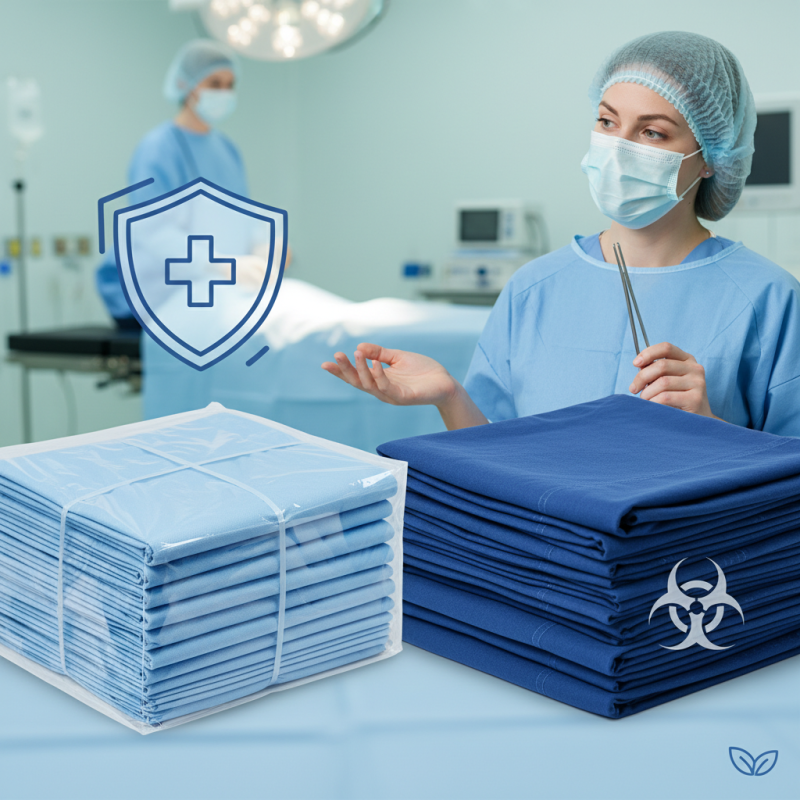
Disposable surgical drapes are increasingly favored for their effectiveness in infection control. Studies show that cloth drapes harbor bacteria more than their disposable counterparts. According to a 2022 report from the Association of periOperative Registered Nurses (AORN), disposable drapes reduced infection risks by up to 30%. This statistic is vital for healthcare professionals focused on patient safety.
Disposable drapes are designed for single-use, minimizing the exposure to pathogens. They come sealed and sterile, significantly lowering the odds of cross-contamination. Many hospitals have adopted these products to conform with strict infection prevention protocols. Despite the higher upfront cost, the long-term savings on infection-related complications are notable. Healthcare facilities face pressure to maintain low infection rates, making disposables appealing.
Challenges remain in balancing cost and environmental impact. Reusable cloth drapes have their place, but improper laundry practices can lead to high infection rates. Some facilities still struggle with ensuring textiles are adequately cleaned. Awareness of these issues is crucial for continuous improvement in surgical settings. The conversation around surgical drapes is ongoing, reflecting the need for adaptable solutions in patient care.
When considering surgical drapes, the material used plays a crucial role in ensuring safety and hygiene.
Disposable surgical drapes are made from advanced fabrics that resist liquids and germs effectively.
These materials often undergo rigorous testing to guarantee their effectiveness in preventing contamination.
This can reduce the incidence of surgical site infections significantly.
Cloth drapes, while reusable, pose challenges in maintaining sterility. They can harbor bacteria even after washing.
Additionally, they may degrade over time, diminishing their protective qualities. Disposable drapes eliminate this concern, as they are designed for single use.
This feature not only enhances safety but also simplifies infection control protocols.
It's worth noting that some may argue about the environmental impact of disposable drapes. However, advancements in biodegradable materials are addressing these concerns.
Every choice comes with trade-offs, and the priority in surgery must always be patient safety.
Disposable surgical drapes offer significant advantages in ease of use, particularly during preparation and cleanup. Unlike cloth drapes, disposable options arrive pre-packaged and sterile. This reduces the time spent on setup, allowing healthcare professionals to focus on patient care. A study published in the Journal of Hospital Infection found that using disposable drapes can decrease surgical setup time by up to 30%. This efficiency is crucial in high-pressure environments where every second counts.
Cleanup after procedures presents another challenge with cloth drapes. These often require washing and sterilization, which is time-consuming. In contrast, disposable drapes can be removed and discarded immediately. This practice not only saves time but also minimizes the risk of contamination. Research indicates that improper handling of cloth drapes during cleanup can contribute to hospital-acquired infections. In fact, a report from the Centers for Disease Control and Prevention highlights that surgical site infections are linked to unsterile handling of surgical textiles.
While disposable drapes simplify processes, some may raise concerns about environmental impact. The increase in medical waste is a valid point. However, many manufacturers are exploring more eco-friendly materials for their disposable drapes. A balance must be struck between safety and sustainability. As the industry evolves, continued focus on both aspects will be necessary for best practices in surgical settings.
Disposable surgical drapes have gained traction in healthcare due to their cost-effectiveness. According to a report from the Journal of Perioperative Practice, disposable drapes can reduce surgical site infections by up to 50%. This statistic highlights a significant advantage over traditional cloth drapes. Cloth drapes often require extensive cleaning and sterilization processes, which incur additional labor costs and time.
A study published in the American Journal of Infection Control reveals that hospitals utilizing disposable drapes reported a 20% decrease in overall costs related to infections. These savings stem from reduced readmission rates and shorter hospital stays. Disposable drapes offer a practical solution for medical facilities seeking to balance safety and budget constraints.
However, there are still concerns about the environmental impact of single-use products. Using disposable drapes could lead to increased waste. It's a critical point for healthcare providers to consider. As hospitals strive for sustainability, the challenge lies in finding effective alternatives that can maintain safety standards while being environmentally responsible. Exploration of biodegradable materials in this segment is needed.
Disposable surgical drapes offer significant environmental considerations compared to traditional cloth options. While cloth drapes are often perceived as more eco-friendly, they require extensive resources for washing and maintenance. Each washing cycle consumes large amounts of water and energy, which can add up quickly. Furthermore, the chemicals in detergents can contribute to pollution.
Conversely, disposable drapes are designed for single-use, minimizing the need for washing. They are made from materials that can be designed to break down more efficiently. However, this raises concerns about plastic pollution. The sheer volume of disposable products contributes to landfill waste, and the industry must work harder to find sustainable materials. Some disposable drapes are now produced with eco-friendly options, but these innovations are still in their infancy.
It’s a complex balance between efficiency and environmental impact. Facilities must weigh the safety benefits of disposables against the long-term effects on our planet. The conversation continues about finding better solutions. Ultimately, it requires thoughtful consideration of practices within healthcare that prioritize both patient safety and ecological stewardship.
| Aspect | Disposable Surgical Drapes | Cloth Surgical Drapes |
|---|---|---|
| Infection Control | High level of infection control, single-use reduces cross-contamination risks. | May harbor bacteria if not laundered correctly, risk of reuse contamination. |
| Environmental Impact | Waste contributes to landfill but often made from recyclable materials. | Requiring water and energy for laundering, but can be reused multiple times. |
| Cost Efficiency | Higher initial cost but may save on laundering expenses in the long run. | Lower initial cost but higher long-term costs due to laundering and maintenance. |
| Convenience | Ready to use, no preparation or laundering needed. | Requires washing and sterilization before reuse, less convenient. |
| Maintenance | No maintenance required, single-use. | Requires regular inspection, washing, and storage. |
: Disposable surgical drapes are sterile, easy to use, and reduce the risk of contamination during procedures.
Yes, cloth drapes can harbor bacteria and may not remain sterile even after washing, which can compromise patient safety.
Disposable drapes can reduce setup time by up to 30%, allowing healthcare professionals to focus more on patient care.
Cleanup with cloth drapes can be time-consuming and may lead to contamination if not handled correctly.
Yes, the increased medical waste from disposable drapes is a valid concern, but biodegradable options are being explored.
Hospitals using disposable drapes report up to a 20% decrease in costs related to infections, reducing overall expenses.
Choosing between safety and environmental impact can be challenging, and each option has its pros and cons.
Yes, they can reduce surgical site infections significantly, leading to lower readmission rates and shorter hospital stays.
Improper handling of cloth drapes can contribute to hospital-acquired infections, complicating patient safety.
A focus on both safety and sustainability is necessary to develop best practices for surgical settings.
Disposable surgical drapes offer significant advantages over cloth alternatives, particularly in the realm of infection control. The materials used in disposable drapes are designed to provide a barrier against contaminants, minimizing the risk of cross-infection during surgical procedures. This leads to a safer environment for both patients and healthcare providers. The ease of preparation and cleanup associated with disposable drapes enhances operational efficiency in healthcare settings, allowing for quicker turnover between procedures.
Cost-effectiveness is another compelling reason healthcare facilities are moving towards disposable options. While initial costs may be higher, the reduction in the need for laundering and maintenance can lead to overall savings. Additionally, the environmental impact of using disposables is being carefully considered, as advancements in material design are making disposable drapes more sustainable. Ultimately, understanding "Why are disposable surgical drapes safer than cloth" highlights their role in promoting patient safety, operational efficiency, and potentially reducing long-term costs in healthcare.
