Evolve Medical
When considering surgical procedures, the quality of tools used is paramount. How to identify high-quality stainless steel surgical tools is essential for medical professionals. The right tools not only ensure successful surgeries, but they also guarantee patient safety. Poor quality can lead to complications, infections, or equipment failure.
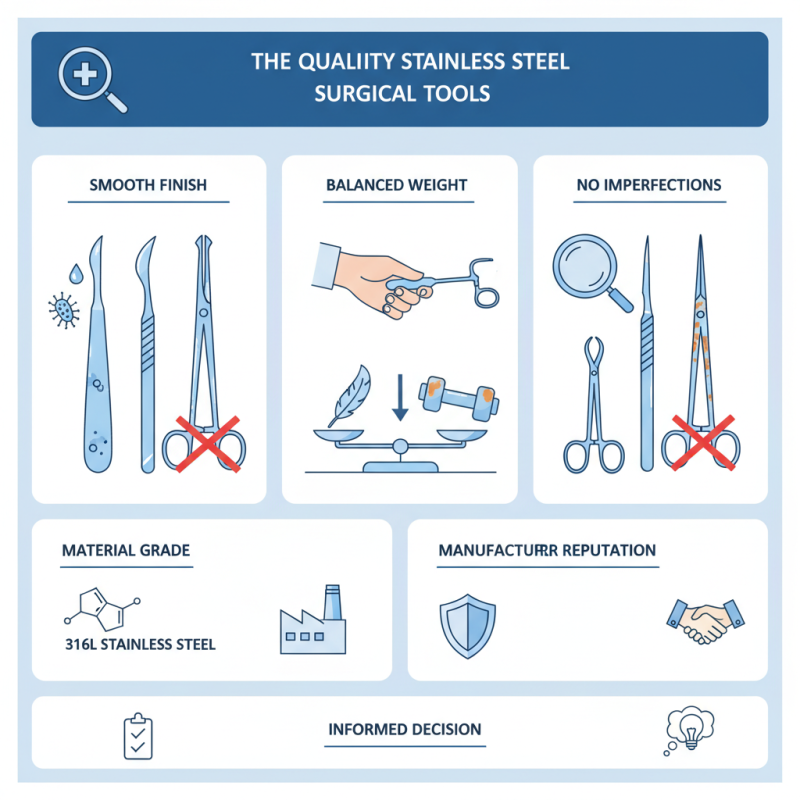
Quality stainless steel surgical tools feature characteristics that are easy to recognize. They should have a smooth finish, which prevents corrosion. A fine finish also helps in easy sterilization. Additionally, the weight of the tool matters. A well-made instrument feels sturdy but not overly heavy. Inspecting for any rust or discoloration also hints at the steel’s quality.
However, even seasoned professionals can struggle to discern the best instruments. Many assume that high price guarantees quality, but this is not always true. Trustworthy manufacturers often provide detailed specifications that highlight the grade of steel used. Researching a brand's reputation can also help in making an informed decision. In the end, due diligence is vital in choosing surgical tools that meet the highest standards.
When choosing surgical tools, understanding stainless steel grades is crucial. Surgical stainless steel typically belongs to the 300 series, particularly 304 and 316. These grades are notable for their corrosion resistance and strength. According to a report by the International Journal of Surgical Instrumentation, tools made from these materials can last up to 20 years with proper care.
However, not all stainless steel is made equal. Variations in carbon content and alloying elements affect performance. For instance, grade 316 contains molybdenum, improving resistance to pitting and is often preferred for tools exposed to harsh environments. It's essential to do thorough research when selecting tools based on their grade specifications.
Tips: Look for certifications from recognized bodies. Confirm that the tools comply with ASTM and ISO standards. Checking these details can safeguard against inferior products. Additionally, handling and care are vital for maintaining tool integrity. Even high-quality materials can fail if improperly maintained. Regular inspections and the right storage practices can significantly extend their lifespan. Opt for tools that fit well in hand to minimize user error, promoting safety and efficiency in surgical settings.
When identifying high-quality stainless steel surgical tools, it is crucial to understand the key characteristics that signify superior craftsmanship.
High-quality surgical steel typically contains a high percentage of chromium, often above 13%. This ensures excellent corrosion resistance, a fundamental requirement for instruments used in sterile environments.
According to industry reports, tools made from 316L stainless steel are preferred due to their low carbon content and enhanced resistance to pitting and crevice corrosion.
Another essential factor is the hardness of the steel. High-quality surgical steel should have a hardness rating of at least 40 HRC on the Rockwell scale. This hardness allows instruments to maintain sharp edges and resist wear during surgical procedures.
Furthermore, the manufacturing process plays a critical role. Instruments must go through rigorous quality control measures. Studies show that tools produced with a meticulous focus on precision and quality assurance yield better performance and longevity.
However, tools from less reputable sources may not meet these standards, leading to potential failures during use.
Additionally, a polished finish is indicative of high-quality surgical instruments. A fine, mirror-like surface not only enhances aesthetic appeal but also reduces bacterial adhesion, an important factor in infection control.
Despite these guidelines, it is challenging for buyers to discern quality purely based on appearance. As such, working with reputable suppliers and requesting certifications is vital for ensuring the reliability of surgical tools.
Corrosion resistance is vital when assessing the quality of stainless steel surgical instruments. Surgical tools are frequently exposed to moisture and chemicals, making them susceptible to corrosion. High-quality stainless steel should have a chromium content of at least 10.5% to form a protective oxide layer. This layer helps prevent rust and deterioration.
One important tip is to examine the instrument’s surface. It should be smooth and free from scratches or pits. Any imperfection can compromise resistance to corrosion. You could also perform a simple water drop test. Place a drop of distilled water on the surface. If it beads up and does not spread, the instrument likely has good corrosion resistance.
Pay attention to the manufacturing process of the instruments as well. Tools made through proper forging methods tend to have better structural integrity. Evaluate certifications from credible authorities to ensure compliance with high standards. Knowledgeable suppliers will provide evidence of quality tests performed on their products. Investing in well-manufactured surgical instruments is crucial for longevity and performance in medical settings.
When assessing the durability of stainless steel surgical tools, it’s essential to consider the grade of the steel. High-quality surgical instruments are often made from medical-grade stainless steel. These materials resist corrosion, ensuring longevity. Sturdy tools maintain their sharpness and finish, crucial for successful surgical outcomes.
Tips for maintaining your surgical tools include regular cleaning and proper sterilization techniques. Using brushes specifically designed for instrument cleaning can prevent buildup. Avoid harsh chemicals that might damage the steel. Storing tools in a dry, controlled environment helps protect them from moisture.
Regular inspections are vital to identify any signs of wear or damage. Even high-quality tools can develop issues over time. Look for rust spots, pitting, or dull edges. If you notice any irregularities, it's important to address them immediately to ensure safety during procedures. Quality maintenance leads to reliable performance and better patient outcomes.
When evaluating stainless steel surgical tools, recognizing quality markings and certifications is crucial. High-quality surgical steel should display specific certifications like ASTM and ISO standards. These indicate that the tools have met stringent safety and quality requirements. Look for markings that demonstrate compliance with recognized industry guidelines.
Tips: Always check the surface finish of the tools. A smooth, shiny surface suggests better corrosion resistance. Rough surfaces may harbor bacteria and compromise surgical integrity.
Another essential factor to consider is the material composition. High-quality surgical steel typically contains a higher percentage of chromium and nickel. These elements enhance its durability and resistance to staining. Avoid tools with vague or unclear certification claims. This can be a red flag regarding their quality.
Tips: Inspect the weight of the tools. Heavier tools often indicate higher quality materials. Tools that feel flimsy may not withstand the rigors of surgical procedures. Don't overlook the importance of reliable suppliers. A trustworthy source ensures consistent quality and safety standards.
: Surgical stainless steel typically belongs to the 300 series, particularly grades 304 and 316.
Tools made from these materials can last up to 20 years with proper care and maintenance.
Molybdenum improves resistance to pitting, making grade 316 ideal for harsh environments.
Look for certifications from recognized bodies like ASTM and ISO to ensure quality standards.
A hardness rating of at least 40 HRC ensures instruments maintain sharp edges during use.
A polished, mirror-like surface reduces bacterial adhesion and enhances infection control.
Check the surface finish, weight, and certification markings to gauge quality and reliability.
Even high-quality materials can fail if not maintained properly, leading to reduced lifespan.
Tools with rough surfaces, vague certification claims, or a flimsy feel may indicate poor quality.
Reliable suppliers ensure consistent quality and safety standards for surgical instruments.
When considering how to identify high-quality stainless steel surgical tools, it is essential to understand the various stainless steel grades used in their manufacturing. High-quality surgical steel typically exhibits key characteristics, such as superior corrosion resistance, which is crucial for maintaining instrument integrity and ensuring patient safety. Assessing these features can greatly impact the performance of surgical tools.
Furthermore, evaluating durability and maintenance requirements helps in determining the longevity of surgical instruments. Knowledge of quality markings and certifications is also vital, as they indicate compliance with industry standards. By focusing on these aspects, medical professionals can effectively select tools that will provide reliability and excellence in surgical procedures.
