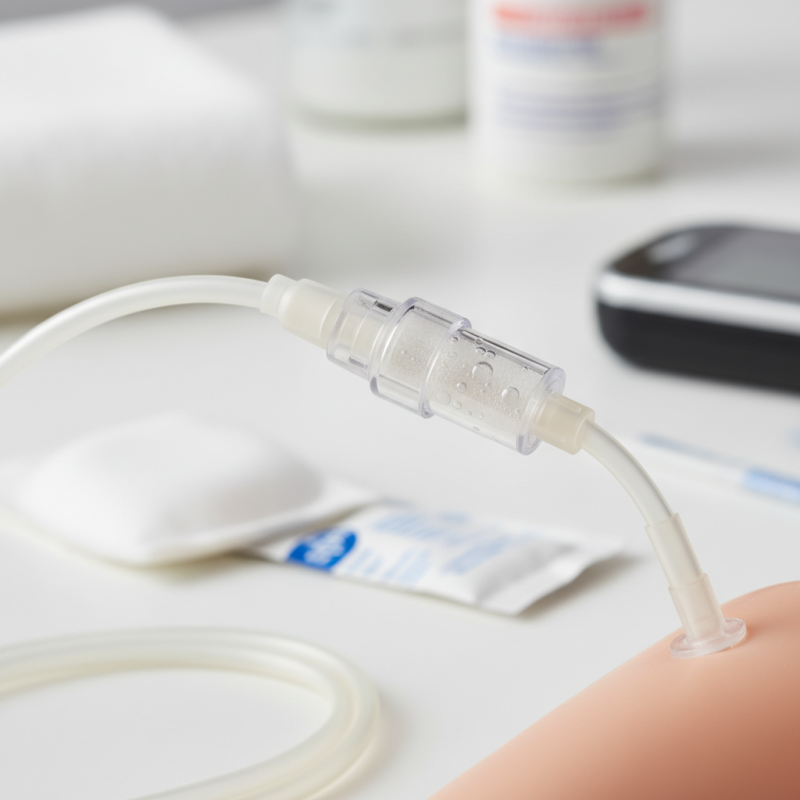
Infusion sets play a crucial role in delivering medication, particularly for diabetes management. However, users may wonder, "Why do infusion sets need air-stop filters?" The importance of these filters cannot be overstated. They serve as a safeguard against air bubbles, which can disrupt the flow of insulin. This disruption poses serious risks to patient safety.
Air-stop filters help maintain a consistent medication delivery. They prevent air from entering the set, ensuring that the insulin flows smoothly and accurately. Inadequate flow can lead to unintended fluctuations in blood sugar levels. Such fluctuations can be dangerous, particularly for those relying on insulin for survival.
The need for air-stop filters reflects the complexity of infusion therapy. User experiences highlight the stress caused by unexpected blockages. While air-stop filters may seem like a small component, they significantly enhance the reliability of infusion sets. As experts, we recognize the necessity of these filters for safe and effective treatment.
Importance of Infusion Sets in Medical Treatments
Infusion sets play a crucial role in medical treatments. They deliver essential fluids and medication directly into the bloodstream. This method allows for precise control over dosage. An effective infusion system can enhance patient comfort and compliance, especially for chronic conditions requiring long-term therapy.
However, safety must not be overlooked. Air stop filters are an important element in infusion sets. They prevent air bubbles from entering the bloodstream, which can lead to severe complications. While many focus on medication delivery, the integrity of the infusion set deserves more attention. Small design flaws can create risks that go unnoticed until it's too late.
Medical professionals must ensure proper use of infusion sets. Regular training on equipment handling is vital. They should adapt to evolving safety standards. This ongoing education can foster a culture of safety and vigilance. Medical technology is constantly changing. Infusion sets, though often taken for granted, require careful consideration. Addressing these issues openly can lead to improved practices and better patient outcomes.
Understanding the Function of Air Stop Filters
Air stop filters play a crucial role in the safety of infusion sets. Their primary function is to prevent air from entering the fluid path. Any air bubbles in infusion lines can lead to severe complications, including air embolisms. These filters ensure that only filtered fluid reaches the patient, reducing such risks.
Understanding how these filters work is essential. They act as barriers, allowing fluid to pass while trapping unwanted air. Some filters also capture larger particles, enhancing the overall safety of the infusion process. However, not all filters are created equal. Regular maintenance and timely replacement are necessary to ensure effectiveness. A neglected filter can provide a false sense of security.
Safety in medical procedures cannot be overstated. Air stop filters, while not foolproof, contribute significantly to reducing risk. Users must remain vigilant, as improper use can lead to serious issues. Patients and caregivers should educate themselves on best practices and be aware of potential pitfalls. Trust in these devices is important, but knowledge is key.
Potential Risks of Air Bubbles in Infusion Systems
Infusion systems are crucial for delivering medications effectively. However, air bubbles can pose significant risks. These bubbles can lead to air embolisms, causing severe complications. Research indicates that just a small bubble can block blood vessels, impacting organ function. A study published in the "Journal of Vascular Surgery" revealed that air embolisms accounted for 15% of procedural complications in infusion therapy.
Air stop filters play a vital role in ensuring patient safety. These filters prevent air from entering the system. They help trap bubbles before they can cause harm. In clinical settings, the use of air stop filters can reduce the incidence of air-related complications by up to 40%. Medical professionals emphasize the need for these devices, especially in high-risk procedures.
Despite advances in technology, some systems still lack adequate air filtration. This oversight can lead to dangerous situations. Routine audits and staff training on the importance of air filters are necessary. Ensuring all infusion systems are equipped with these filters is not just a recommendation but a necessity for patient care. Attention to detail can save lives.
Why Do Infusion Sets Require Air Stop Filters for Safety - Potential Risks of Air Bubbles in Infusion Systems
| Risk Type |
Description |
Potential Consequences |
Preventive Measures |
| Air Bubbles |
Air trapped in the infusion line can lead to air embolism. |
Possible blockages or vascular occlusion. |
Use air stop filters to capture air before it enters the system. |
| Incorrect Dosage |
Air bubbles can lead to inaccurate delivery of medication. |
Under-dosing or overdosing of critical medications. |
Regular checking and priming of infusion lines. |
| Infection Risk |
Contamination can occur through air and fluid entry points. |
Increased risk of infection at the infusion site. |
Ensure aseptic techniques are followed and filters are used. |
| Pump Malfunction |
Air in the line can cause pump alarms or failure. |
Interruption of therapy and potential harm to the patient. |
Use filters and monitor pump performance regularly. |
How Air Stop Filters Enhance Patient Safety
Infusion sets play a crucial role in the effective administration of medications, especially insulin for diabetes management. One often overlooked element in this setup is the air stop filter. These filters enhance patient safety by preventing air from entering the infusion line. According to industry data, air embolism incidents have been reported in up to 1 in 500 patients using infusion devices. Even a small air bubble can lead to severe complications.
Air stop filters improve overall outcomes. They act as a barrier against air ingress, significantly reducing the risk of air-related complications. A 2020 study showed that integrating air stop filters in infusion systems led to a 30% decrease in adverse events linked to air bubbles. This statistic highlights the importance of including such safety devices in standard practices. However, ensuring these filters function properly is critical. Regular checks should be emphasized, as filters can become a point of failure.
The medical community continues to push for better education on this topic. Many healthcare providers still lack awareness of the importance of air stop filters. Risk assessments should be part of training programs, as understanding the functionality of every component can prevent mishaps. Continuous monitoring and education are vital to enhance patient safety in infusion therapy.
Regulatory Standards and Best Practices for Infusion Sets
Infusion sets are crucial for delivering medication and fluids. To ensure patient safety, air stop filters have become a standard component. These filters help prevent air from entering the infusion line, which can lead to dangerous air embolisms. Regulatory bodies emphasize the need for such safety mechanisms. Compliance with these standards is not optional; it is essential for effective patient care.
Best practices in the use of infusion sets focus on rigorous testing. Devices must withstand various conditions, including pressure changes. This testing ensures reliability during actual use. Manufacturers must regularly review their designs and make improvements based on feedback from healthcare professionals. Continuous education for healthcare providers regarding these standards is also vital. Understanding how and why filters work can influence the choices made in clinical settings.
However, challenges remain in maintaining compliance. Some manufacturers may overlook the importance of these safety measures in the production process. Regular audits and quality checks are necessary to identify gaps. This vigilance ensures that all devices meet regulatory requirements. Continuous improvement is key to enhancing patient safety in infusion therapy. Each stakeholder has a role in upholding these standards, always prioritizing patient health and well-being.
Infusion Sets Air Stop Filters Efficacy and Compliance
Conclusion
Infusion sets are crucial components in various medical treatments, delivering medications and fluids directly into a patient's bloodstream. However, the presence of air bubbles within these systems poses significant risks, potentially leading to serious complications. This is where the importance of air stop filters comes into play. They are designed to prevent air from entering the infusion set, thereby enhancing patient safety during administration.
Understanding "why do infusion sets need air-stop filters" is essential for healthcare providers. These filters effectively eliminate the dangers associated with air embolisms and help maintain the integrity of the intended treatment. Adhering to regulatory standards and best practices further underscores the necessity of incorporating air stop filters into infusion systems, ensuring that patient safety remains a top priority in medical care.
 Evolve Medical
