Evolve Medical Evolve Medical

How to Prevent Skin Irritation from Medical Adhesives?

Time:2026-05-13 Author:Charlotte
0%

Skin irritation from medical adhesives is a common concern for many patients. Those who undergo surgeries or frequent medical treatments often rely on adhesives for secure dressings. However, prolonged exposure can lead to discomfort, rashes, or worse. Understanding how to prevent skin irritation from medical adhesives is essential for maintaining skin health.

There are several strategies to minimize irritation. Choosing the right adhesive based on your skin type is crucial. Some adhesives are designed for sensitive skin, providing a gentler alternative. Proper skin preparation can also play a significant role. Cleansing and moisturizing the skin helps in creating a barrier. Daily inspections are necessary to monitor for signs of irritation.

Despite taking precautions, irritation can still occur. Each individual's skin reacts differently. It's important to identify which products cause issues and seek alternatives. Consulting with healthcare professionals can provide tailored advice for specific situations. Ultimately, being informed and proactive can greatly reduce the risks associated with medical adhesives.
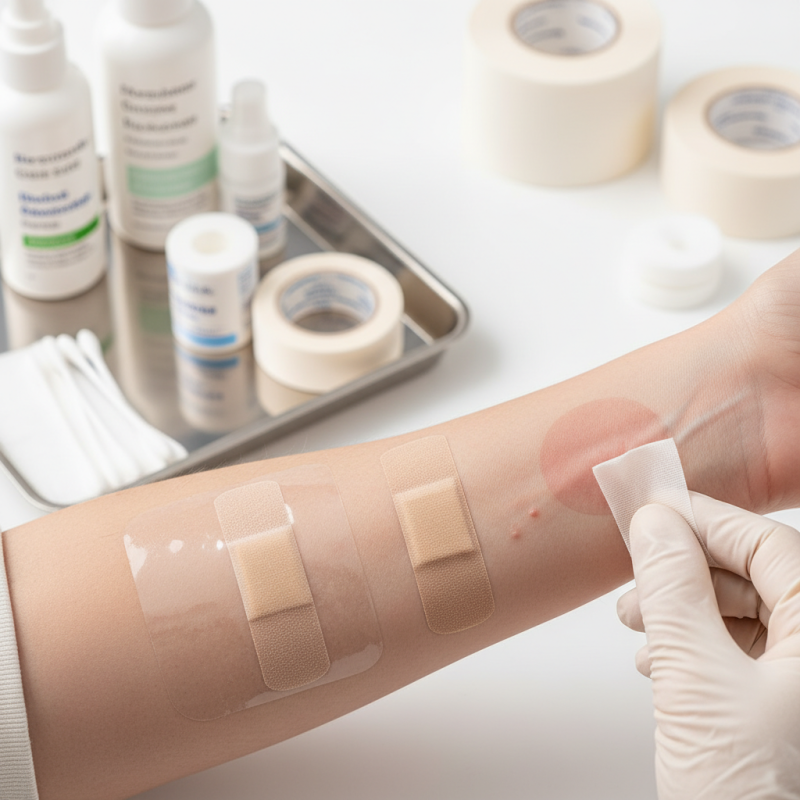
How to Prevent Skin Irritation from Medical Adhesives?

Understanding Skin Irritation Caused by Medical Adhesives

Skin irritation from medical adhesives is a common concern, affecting a significant number of patients. According to a study in the Journal of Wound Care, nearly 50% of patients experience some form of skin reaction when subjected to adhesive materials. This irritation can manifest as redness, itching, or even blistering, leading to discomfort and potential treatment delays.


Understanding the underlying causes of these irritations is crucial. Research highlights that factors such as skin type, moisture levels, and adhesive composition play key roles. Sensitive skin types are particularly at risk. A report from the American Academy of Dermatology indicates that individuals with atopic dermatitis are more likely to react adversely to medical adhesives. It's also essential to note that prolonged wear can exacerbate these reactions, potentially leading to skin barrier breakdown.


Effective prevention strategies are vital. Healthcare professionals emphasize the importance of assessing skin condition before applying adhesives. Utilizing barrier films can reduce direct contact with sensitive skin. Additionally, choosing hypoallergenic options may also help minimize potential reactions. Awareness of the potential for irritation should prompt both patients and providers to initiate discussions about suitable adhesive choices and removal techniques.


Addressing skin integrity with care can significantly enhance patient comfort.

Common Symptoms of Skin Irritation from Adhesives

Skin irritation from medical adhesives can manifest in several ways. Common symptoms include redness, swelling, and itching at the application site. These reactions often occur within hours of adhesive contact. In some cases, blisters may develop, leading to discomfort. The severity of symptoms can vary based on skin type and the adhesive used.

Individuals with sensitive skin should be particularly cautious. They may experience heightened reactions even with well-tolerated adhesives. Skin irritation can hinder the healing process and cause distress. It's essential to monitor the skin closely after applying any medical adhesive. Paying attention to early signs of irritation can help mitigate problems later on.

Choosing the right adhesive is crucial. Opt for skin-friendly options when possible. Conduct a patch test before full application. Consulting with a healthcare professional can provide personalized advice. Remember, prevention is better than dealing with irritation after it occurs. Your skin deserves the best care.

Preventive Measures to Reduce Skin Irritation Risks

Skin irritation from medical adhesives can be uncomfortable. Taking certain preventive measures can help reduce these risks. Proper preparation of the skin is crucial. Clean the area with mild soap and water. Pat it dry gently before applying any adhesive. Using a barrier film can provide an additional layer of protection. This minimizes direct contact and reduces irritation.

Choosing the right adhesive is another key step. Some adhesives are designed to be skin-friendly. Test a small area first if you can. Monitor for any signs of an allergic reaction. If irritation occurs, remove the adhesive promptly. Frequent changes of the adhesive can also minimize skin damage. Allow the skin to breathe between applications.

Sometimes, skin reactions are unpredictable. Factors like humidity and skin type play a role. Personal habits, such as frequent sweating, can worsen the situation. Keeping the skin moisturized may help. Avoiding tight clothing over the area can also make a difference. Understanding your skin's unique response is important. Taking time to reflect on these points can lead to better practices in the future.

Tips for Choosing Skin-Friendly Medical Adhesives

Choosing skin-friendly medical adhesives is crucial for preventing irritation. Many individuals face discomfort due to strong adhesives. Opt for options designed for sensitive skin. Look for products labeled hypoallergenic and breathable. These qualities reduce the chance of irritation significantly.

Consider adhesives made with softer materials. Silicone-based adhesives tend to be gentler on the skin. They can provide a good bond without causing redness or rashes. Always check for compatibility with your skin type. Test a small area before applying the adhesive extensively.

It's essential to be cautious. Adhesives not suited for sensitive skin can lead to allergic reactions. Some individuals may not notice a reaction immediately. Regular monitoring helps in identifying any signs of irritation early. Always listen to your body, and be prepared to change products if irritation arises. Prioritize your skin's health when selecting medical adhesives.

Effective Treatment Options for Adhesive-Related Skin Irritation

Skin irritation from medical adhesives is a common issue. Different individuals react differently to these materials. The discomfort can range from mild redness to severe rashes. It’s important to identify effective treatments to ease these symptoms.

When dealing with adhesive-related skin irritation, gentle cleansing is crucial. Use a mild cleanser to wash the area. This reduces further irritation. Applying a cool compress can provide immediate relief. It soothes the skin and reduces inflammation. You may also consider using a barrier cream before applying adhesives. This can help minimize direct contact.

Always conduct a patch test before using any new adhesive. Monitoring your skin's response is wise. If irritation occurs, remove the adhesive immediately. Stay hydrated and moisturized. Hydrated skin is less likely to react. If irritation persists, seek professional advice. Remember, what works for one might not work for another. Each case is unique, and self-care is essential.

FAQS

: What are common symptoms of skin irritation from medical adhesives?

: Common symptoms include redness, swelling, itching, and sometimes blisters at the application site.

How quickly can skin irritation appear after using an adhesive?

Skin irritation often occurs within hours of adhesive contact, especially on sensitive skin.

What factors can increase the risk of irritation from adhesives?

Sensitive skin types, moisture levels, and the composition of the adhesive can increase the risk of irritation.

How can I prevent skin irritation from adhesives?

Assess your skin condition before applying, use barrier films, and choose hypoallergenic options if possible.

What should I do if I experience irritation from an adhesive?

Gently cleanse the area, apply a cool compress, and consider using a barrier cream before future applications.

Is it necessary to conduct a patch test before using a new adhesive?

Yes, conducting a patch test is important to monitor skin reaction and avoid potential irritation.

Can hydration affect skin's response to adhesives?

Yes, hydrated skin is less likely to react adversely, so staying moisturized is beneficial.

What should I do if irritation persists after using an adhesive?

If irritation continues, seek professional advice, as each case may require different treatment strategies.

How can I select the right adhesive for my skin?

Opt for skin-friendly, hypoallergenic options and consult a healthcare professional for personalized recommendations.

Can using an adhesive cause discomfort in the healing process?

Yes, skin irritation can hinder the healing process and cause distress, making early monitoring essential.

Conclusion

In exploring "How to prevent skin irritation from medical adhesives," it is essential to understand the causes and symptoms of skin irritation related to these products. Skin irritation can occur due to allergic reactions or sensitivity to certain adhesive materials used in medical applications. Common symptoms include redness, itching, and rash, which can significantly impact patient comfort.

To reduce the risks of irritation, several preventive measures can be employed. Firstly, selecting skin-friendly medical adhesives that are hypoallergenic is crucial. Additionally, preparing the skin properly by cleansing and drying it before applying any adhesive can help minimize irritation. If irritation does occur, effective treatments like topical corticosteroids or cooling gels may alleviate discomfort. By being proactive with these strategies, individuals can effectively manage and prevent skin irritation related to medical adhesives.

Charlotte

Charlotte

Charlotte is a seasoned marketing professional with a deep understanding of the company's portfolio and a passion for elevating its presence in the market. With a keen eye for detail and a commitment to excellence, she ensures that our professional blog is regularly updated with insightful articles......