Evolve Medical Evolve Medical

How to Dispose of Used Blood Collection Needles Safely?

Time:2026-10-21 Author:Ethan
0%

Every blood collection needle becomes a potential exposure risk immediately after use. It may look clean, but microscopic blood can remain inside the needle hub or along its bevel. How to dispose of used blood collection needles safely therefore requires more than placing them in ordinary clinical waste.

The World Health Organization estimates that approximately 16 billion injections are administered worldwide each year. Its injection-safety guidance emphasizes immediate disposal, appropriate sharps containers, and safe handling practices. The U.S. Centers for Disease Control and Prevention has also reported about 385,000 needlestick injuries annually among hospital-based healthcare personnel in the United States. These figures explain why a small puncture-resistant container matters. It should remain within arm’s reach, stand upright, and stay below its marked fill line.

Never recap casually. Never bend the needle. Do not force a full container closed. These actions can turn a routine blood draw into an avoidable injury. Guidance from the CDC, OSHA, and WHO consistently supports using approved sharps containers and following facility procedures for collection and final treatment. Requirements may differ by country, facility type, and waste contractor, so professional verification remains essential.

Real-world practice is rarely perfect. A container may be placed too far away, or a busy room may encourage shortcuts. That is exactly where risk increases. This guide explains the safer workflow, common disposal mistakes, container selection, labeling expectations, and staff responsibilities. Small details matter. A stable container beside the chair can protect the collector, the patient, cleaners, and waste handlers.
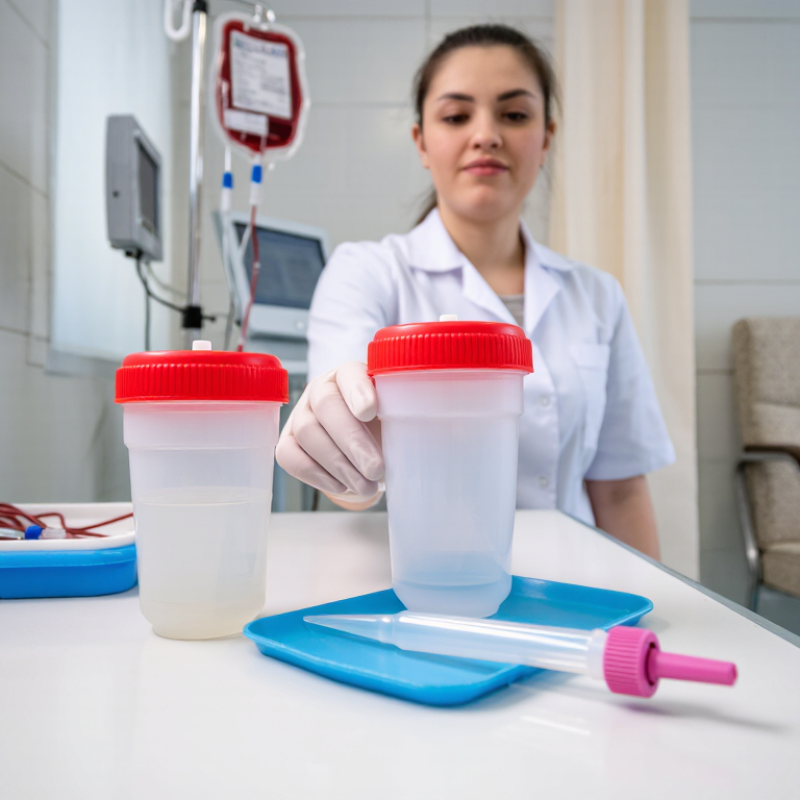
How to Dispose of Used Blood Collection Needles Safely?

Identifying Used Blood Collection Needles and Their Hazards

How to Dispose of Used Blood Collection Needles Safely?

A used blood collection needle includes the needle, holder, and any attached device exposed to blood. Dried blood does not make it safe. A clean-looking needle can still puncture skin and carry infectious material. Its sharp tip may hide inside a plastic cap or tubing, so visual inspection is unreliable. The CDC and NIOSH report approximately 385,000 needlestick and sharps injuries among hospital-based healthcare personnel each year in the United States. That figure reflects reporting limitations, not every incident.

Blood collection needles can transmit bloodborne pathogens, including hepatitis B, hepatitis C, and HIV, through accidental punctures. The World Health Organization estimated that occupational percutaneous exposure contributes to 37.3% of hepatitis B infections among healthcare workers, 39% of hepatitis C infections, and 4.4% of HIV infections. These figures are difficult to forget. They also show why “quick handling” is not a safety strategy.

Place the entire used device directly into a closable, puncture-resistant sharps container at the point of use. Never bend, break, remove, or recap the needle by hand. Do not place it in ordinary waste or recycling. Replace the container before it becomes overfilled, because protruding needles create preventable injuries. If a puncture occurs, wash the area with soap and water, report it immediately, and seek occupational medical assessment. Procedures vary by workplace and jurisdiction. That uncertainty deserves attention, not assumptions.

How to Dispose of Used Blood Collection Needles Safely?

Used blood collection needles are contaminated sharps. They may cause puncture injuries and transmit bloodborne pathogens, including hepatitis B, hepatitis C, and HIV. Never recap, bend, break, or manually remove a used needle. Place it immediately into a closable, puncture-resistant, leak-resistant sharps container.

Estimated annual occupational infections among health-care workers worldwide attributed to percutaneous exposure to contaminated medical sharps: hepatitis B, 66,000; hepatitis C, 16,000; HIV, 1,000. Source: World Health Organization, “The World Health Report 2002: Reducing Risks, Promoting Healthy Life.”

Preparing an Approved Sharps Container for Safe Disposal

Preparing an Approved Sharps Container for Safe Disposal

A safe disposal routine begins before the needle is used. Choose an approved sharps container that is rigid, puncture-resistant, leak-resistant, and closable. It must have a clear opening and a visible fill line. Never use a household bottle, cardboard box, or open wastebasket. These materials can split, spill, or expose someone to injury.

Place the container upright on a stable surface, close to the blood collection area. Keep it within easy reach, but away from children, pets, and busy walkways. Check the lid before starting. It should lock securely without forcing. After using a needle, place it directly into the opening. Do not recap, bend, break, or push it down by hand. Even experienced workers can misjudge how full a container is. Leave space below the marked line. An overfilled container creates a dangerous pinch point.

Tips: Inspect the container before every session. Keep a replacement nearby. Stop using it at the fill line. Seal it according to facility procedures. Wash your hands afterward. If a needle falls outside the container, avoid touching it directly and follow your workplace exposure procedure. A rushed setup is easy to underestimate. Take a moment to check the position, lid, and available space. Local health authorities or your facility’s safety officer should confirm the correct container and collection process.

Placing Used Needles into the Container Without Recapping

Disposing of a used blood collection needle starts before the procedure ends. Place a rigid, puncture-resistant sharps container within easy reach. Keep it upright and visible. After withdrawing the needle, keep your hand behind the sharp point. Do not recap, bend, break, or remove the needle by hand. Move the entire needle-and-device unit directly into the container opening. Let gravity help. Never push it down with your fingers.

If the needle has a safety feature, activate it only when the design requires this step. Keep your eyes on the device while transferring it. If the container sits too far away, stop and ask for assistance rather than walking across the room with an exposed needle. A dropped needle should never be picked up with bare hands. Use approved forceps or another tool under workplace procedure. Small details matter here.

Watch the fill line. An overfilled container can expose needles through the opening or lid. Close it securely when it reaches the marked level, or earlier if the facility requires earlier replacement. Do not shake the container to create more space. I have noticed that rushed staff sometimes recap “just for a second.” That habit is difficult to defend, even when the room feels busy. Review the process after any near miss, because a container that is poorly placed may be part of the problem. Follow your healthcare facility’s training and local disposal requirements.

Sealing, Labeling, and Storing the Filled Sharps Container

Used blood collection needles must go directly into an approved sharps container at the point of use. Do not recap, bend, break, or remove the needle by hand. The container should remain upright, stable, and within easy reach during collection. A small delay can create a serious exposure risk.

When the container reaches its marked fill line, stop adding materials. Never press contents down to make extra space. Close the lid according to the container’s instructions until it locks or seals firmly. Check for gaps, cracks, leakage, or protruding needles. If the outside is contaminated or damaged, place it in a suitable secondary container and follow your facility’s exposure procedure. It is easy to assume the lid is secure. Check it again.

Label the sealed container clearly with its contents, hazard warning, closure date, department, and any required tracking information. Use a label that will not detach from moisture or handling. Store the container upright in a designated, restricted-access area, away from sinks, heat, public spaces, and areas where it could be knocked over. Keep it off the floor. The storage location should remain clean, dry, and easy for authorized waste personnel to access. Arrange collection through an approved medical-waste service and follow current facility procedures and local requirements. Even trained staff can miss a loose seal, so a brief final inspection is worthwhile.

Following Local Rules for Sharps Collection and Final Disposal

Used blood collection needles require immediate care, even when they appear clean. Place each needle directly into a rigid, puncture-resistant sharps container at the point of use. Do not recap, bend, break, or remove the needle by hand. Keep the container upright, closed, and away from children, pets, and food areas.

Local rules control both collection and final disposal. Contact your local health department, community waste service, or an authorized medical-waste collector before the container becomes full. Some areas accept household sharps at designated clinics or collection points. Others require scheduled pickup or special drop-off events. Ask about container types, labeling, limits, fees, and accepted transport methods. A quick phone call can prevent an unsafe handoff.

Seal the container according to local instructions, then transport it upright in a stable box or bag. Never place loose needles in household waste, recycling, or a toilet. Collection staff should send sharps to an authorized treatment or disposal facility. Rules vary more than many people expect. Assuming one city’s process applies elsewhere can create problems. If a needle was placed incorrectly, do not retrieve it with bare hands. Keep others away and request professional guidance. The safest procedure is careful, local, and sometimes less convenient.

How to Dispose of Used Blood Collection Needles Safely? - Following Local Rules for Sharps Collection and Final Disposal

Step Disposal Stage What to Do Container or Service Requirement Important Safety and Compliance Point
1 Prepare Before Collection Place an approved sharps container within easy reach before beginning blood collection procedures. Use a closable, puncture-resistant, leak-resistant container designed for sharps. Do not improvise with thin plastic bags, glass jars, cardboard boxes, or open wastebaskets.
2 Discard Immediately Drop the used needle and any attached sharp components directly into the sharps container immediately after use. Keep the container upright and stable during use. Immediate disposal reduces needlestick injuries and prevents sharps from being left on trays or work surfaces.
3 Do Not Recap or Manipulate Do not recap, bend, break, shear, remove, or manually separate a used needle unless a specific procedure requires it and an approved safety control is used. Use a safety-engineered device according to its instructions when available. Recapping and manual handling increase the risk of accidental puncture and blood exposure.
4 Monitor Fill Level Check the container regularly and stop using it when the contents reach the marked fill line or the level specified by local requirements. The opening must remain usable without forcing additional sharps inside. Never overfill, push down, shake, or reach into a sharps container.
5 Close Securely When full or ready for removal, close and lock the container using the manufacturer’s designated closure mechanism. The closed container must prevent leakage, puncture, and access to its contents. Do not reopen a container after final closure or transfer sharps into another container.
6 Label and Store Temporarily Apply required hazard or regulated-waste identification and place the closed container in a secure collection area. Keep it upright, away from public access, children, animals, food, and incompatible waste. Storage conditions, labeling, and maximum holding periods may be set by local health or environmental authorities.
7 Arrange Authorized Collection Use the collection route approved in your area, such as a healthcare facility program, licensed medical-waste collector, or designated public drop-off service. Confirm that the service accepts used blood collection needles and the specific container type. Acceptance rules differ by location; contact the local health department, waste authority, or service provider before transport.
8 Transport Safely Keep the closed container upright and secured during transport, following the collection service’s instructions. Use the required secondary packaging or transport container where local rules require it. Do not place loose needles or an unsecured sharps container in ordinary household or workplace waste.
9 Final Treatment and Disposal Allow an authorized facility to treat and dispose of the sharps through a legally permitted process. Common regulated processes may include sterilization, alternative treatment, or controlled incineration, depending on local authorization. Final treatment requirements are jurisdiction-specific; never burn, bury, recycle, or place used needles in regular recycling or trash.
10 Respond to an Injury If a needlestick or blood exposure occurs, wash the area with soap and water, flush splashes to the eyes or mouth with water, and seek prompt medical evaluation. Report the incident through the applicable workplace or healthcare procedure. Urgent professional assessment is important because post-exposure decisions are time-sensitive.
Local requirements control the collection frequency, labeling, storage period, transport method, and final treatment of used blood collection needles. Always verify the current rules with the relevant local health, environmental, or waste-management authority.

FAQS

What counts as a used blood collection needle?

It includes the needle, holder, tubing, or attached device exposed to blood. Dried blood does not make it safe. A clean appearance can mislead.

Why is a used needle hazardous?

Its sharp tip can puncture skin and carry infectious material. Accidental injuries may transmit bloodborne infections. Quick handling is not a safety strategy.

What container should be used?

Choose an approved sharps container. It should be rigid, puncture-resistant, leak-resistant, closable, and clearly marked. Never use a bottle, cardboard box, or open bin.

Where should the container be placed?

Keep it upright on a stable surface near the collection area. Keep it away from children, pets, sinks, heat, and busy walkways. Placement matters.

Should a needle be recapped or altered?

No. Do not recap, bend, break, remove, or push it down by hand. Put the entire device directly into the container.

When should the container stop receiving needles?

Stop at the marked fill line. Never press contents down for extra space. Protruding needles create avoidable injuries. Overfilling is easy to underestimate.

How should a filled container be sealed and stored?

Lock or seal the lid according to facility instructions. Check for gaps, cracks, leaks, or protruding needles. Label the contents, hazard warning, closure date, and department. Store it upright in a restricted, dry area off the floor.

What should happen if a needle falls outside the container?

Do not touch it directly. Keep others away and follow the workplace exposure procedure. A rushed response can worsen the risk. Take a moment.

What should someone do after a puncture?

Wash the area immediately with soap and water. Report the incident and seek occupational medical assessment promptly. Follow current workplace and local requirements. Small injuries still deserve attention.

Conclusion

How to dispose of used blood collection needles safely begins with recognizing that every needle used for blood collection is a sharp, potentially contaminated object. Prepare a sturdy, approved sharps container that is puncture-resistant, leak-resistant, clearly marked, and placed on a stable surface away from children, pets, and busy work areas. Never recap, bend, break, or remove a used needle by hand. Instead, immediately place the entire needle and attached collection device into the container, keeping your hands away from the opening.

When the container reaches its fill line or is nearly full, close and seal it according to the container’s instructions. Check that the label is clear and store the sealed container upright in a secure location until it can be collected. The final step in How to dispose of used blood collection needles is to follow local healthcare-waste requirements and use an authorized sharps collection or disposal service. Never place loose needles in household trash, recycling bins, or public areas.

Ethan

Ethan

Ethan is a seasoned marketing professional with a deep expertise in our company's innovative product line. With a passion for sharing knowledge and insights, he takes the lead in regularly updating our corporate blog, where he explores industry trends, product features, and effective marketing......