Evolve Medical
Wound care is essential for healing and preventing complications. When a wound is covered with a dressing, monitoring is crucial. You might wonder, "What are the signs of an infected wound under a dressing?" This question is vital for anyone caring for a wound. Recognizing the signs early can prevent serious issues.
An infected wound may not always present obvious symptoms at first. You could see increased redness or swelling around the dressing. Discharge that looks yellow or green is often a sign of infection. A strong odor is another indicator that something is wrong. If you notice these changes, it is important to act quickly.
Moreover, fever or chills accompanying a wound can indicate a systemic infection. Pain that intensifies instead of improving should raise alarms as well. The journey of wound healing has ups and downs. Even experienced caregivers sometimes overlook these signs. Always stay vigilant and trust your instincts when it comes to wound care.
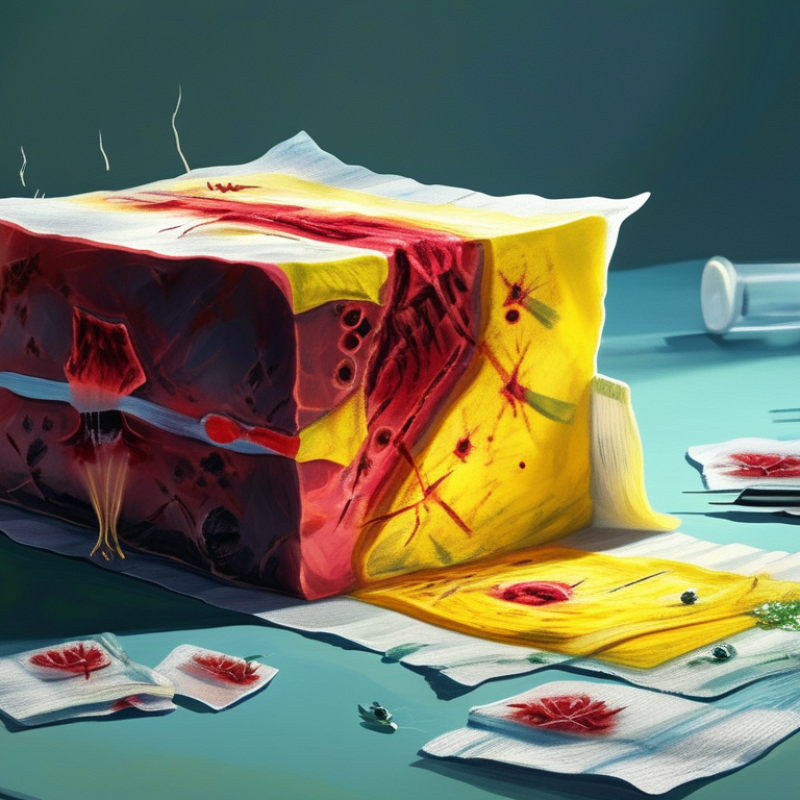
When monitoring a wound under a dressing, it's crucial to identify signs of infection promptly. Redness, swelling, and warmth around the wound can indicate an infection. If the area feels increasingly painful or you notice a yellow or green discharge, these are serious signs. A foul odor emanating from the dressing can also signal trouble.
It's essential to inspect the wound regularly. Even if there are no visible signs, changes in the area can suggest an underlying issue. If pain persists or worsens, consider consulting a healthcare professional. They can provide guidance tailored to your situation.
Tips: Keep the dressing clean and dry. Change it as needed, especially if it becomes wet or soiled. If you notice any troubling symptoms, don’t hesitate to seek help. Listening to your body is vital. Sometimes, acknowledging that something is off is the first step to recovery.
When caring for a wound, observing signs of infection is crucial. Common symptoms include increased redness around the edges. You might notice swelling as well. A warm sensation at the site can also indicate a problem. Sometimes, a wound may start to ooze pus. If the discharge is yellow or green, it's likely infected.
Tip: Always check the dressing for freshness. Replace it if it gets wet or soiled. Keep the area clean. Use gentle soap and water, avoiding harsh chemicals.
Watch for changes in pain levels too. An infected wound often becomes more painful over time. Additionally, fever may accompany the infection. If you feel unwell, this could be a sign that something is wrong.
Tip: Track any symptoms you notice. It can be helpful during medical consultations. Don't hesitate to contact a healthcare provider if concerned. Trust your instincts; your body often signals when something is off.
Infected wounds under a dressing can show specific signs that indicate complications. One crucial aspect to monitor is the color and temperature of the dressing area. A normal response should include a color that matches the surrounding skin. If the area appears reddened or dark, it may signal an infection. A study published in the Journal of Wound Care found that up to 30% of non-healing wounds exhibit color changes consistent with infection.
Temperature around a wound also plays a vital role in identifying infection. Healthy skin generally remains at a consistent temperature. If the area around the dressing feels warmer than other parts of the body, this might indicate inflammation or infection. Research from the Wound Healing Society suggests that increased local temperature is a common sign of superficial infections.
It’s essential to be vigilant. Not all cases present classic signs. Sometimes, the wound may look normal but still be infected. Maintaining awareness of changes in color and temperature can help in timely interventions. Recognizing these signs can prevent more severe complications, leading to better healing outcomes.
| Sign | Description | Potential Implications |
|---|---|---|
| Increased Redness | Surrounding skin appears red and inflamed | Possible infection or irritation |
| Warmth | Area feels warm to the touch compared to surrounding skin | Indicates increased blood flow due to infection |
| Swelling | Area may appear puffy or swollen | Infection or fluid accumulation may be present |
| Odor | Unpleasant smell emanating from the dressing | Possible infection or necrotic tissue |
| Discharge | Presence of pus or abnormal fluid leakage | Indicator of infection and the need for medical evaluation |
| Pain Increase | Wound area becomes increasingly painful | Sign of infection or worsening condition |
Unusual odors and discharge from a wound site are critical signs of infection. If you notice an unusual smell, it could be due to bacteria proliferating. A study by the Journal of Wound Care indicates that over 30% of infected wounds present with foul odors. This can indicate deeper issues in the wound healing process.
Discharge can vary in color and consistency when a wound is infected. Clear fluid may suggest normal healing, but yellow or green pus is alarming. The presence of any discharge that is thick or colored should raise immediate concern. According to the Wound Healing Society, nearly 50% of infections are linked to the nature of discharge. Foul odors and abnormal discharge should prompt a consultation with a healthcare professional for assessment.
While it’s easy to overlook these signs, they provide essential clues for proper wound care. Many patients ignore changes in smell or consistency. However, timely intervention can prevent complications. Infection can lead to more severe issues if left untreated. Awareness and observation are key in managing wound healing effectively.
Infections can happen even with proper wound care. If you notice increased pain, swelling, or redness around the dressing, this is a sign something might be wrong. An unusual warmth from the wound area is another red flag. Discharge that is yellow, green, or has a foul smell indicates that infection is present. Small changes can mean a lot.
Seek medical attention if these signs appear. Timely intervention helps prevent more severe complications. If you develop a fever, it’s crucial to act quickly. A persistent high temperature can signal that the infection is spreading through the body. Don't ignore these symptoms; they are your body's way of asking for help.
Sometimes, we think we can wait and see. This might lead to worsening conditions. Learning to listen to your body can save you from serious issues later. Remember, your health should always come first. If unsure, consulting a healthcare professional can provide clarity and reassurance.
: The color should match the surrounding skin. Reddish or dark areas may indicate infection.
A warmer area around the wound may signal inflammation or infection. Healthy skin should maintain consistent temperature.
Increased pain, swelling, or redness around the dressing are key signs to watch for.
Yellow, green, or foul-smelling discharge can indicate the presence of an infection.
Ignoring symptoms can lead to worsening conditions. Small changes can signal significant issues.
A persistent high temperature can indicate that an infection is spreading. Seek help quickly.
Not all infections show clear signs. Trust your feelings and seek medical advice if unsure.
Pay attention to color and temperature changes. Early detection can lead to better healing outcomes.
Waiting can worsen your condition. Listening to your body is crucial for your health.
Yes, but infections can still occur despite good care. Vigilance is essential.
When considering "What are the signs of an infected wound under a dressing," it is crucial to be vigilant for several key indicators of infection. Typical symptoms to observe include increased redness, swelling, and warmth around the wound area, which may also appear tender to the touch. Changes in color and temperature of the dressing area can signal a problem; if the dressing feels unusually hot or looks discolored, these could be warning signs of infection.
Additionally, unusual odors and discharge, such as pus or fluid that differs from what is expected, are important symptoms to note. If any of these signs become apparent, it is essential to seek medical attention promptly. Recognizing these symptoms early can lead to more effective treatment and a better recovery outcome.
