Understanding wound care is crucial, especially when it comes to recognizing infection signs. Dr. Jane Smith, a leading expert in wound management, states, “Early detection of infection can save lives.” This emphasizes the importance of knowing what to watch for when a wound is covered by a dressing.
Infection can develop silently under a dressing. Signs such as increased pain, redness, or swelling around the wound often indicate trouble. Pus or odorous drainage is a major red flag. Additionally, systemic symptoms like fever can occur. These indicators can sometimes be overlooked, leading to more serious complications.
Patients must be vigilant and proactive. Regularly check the dressing and surrounding skin. If you notice changes, seek medical advice promptly. Understanding what are the signs of an infected wound under a dressing is essential for effective and safe healing. Ignoring these signs could mean the difference between quick recovery and prolonged suffering. Awareness and action are key.
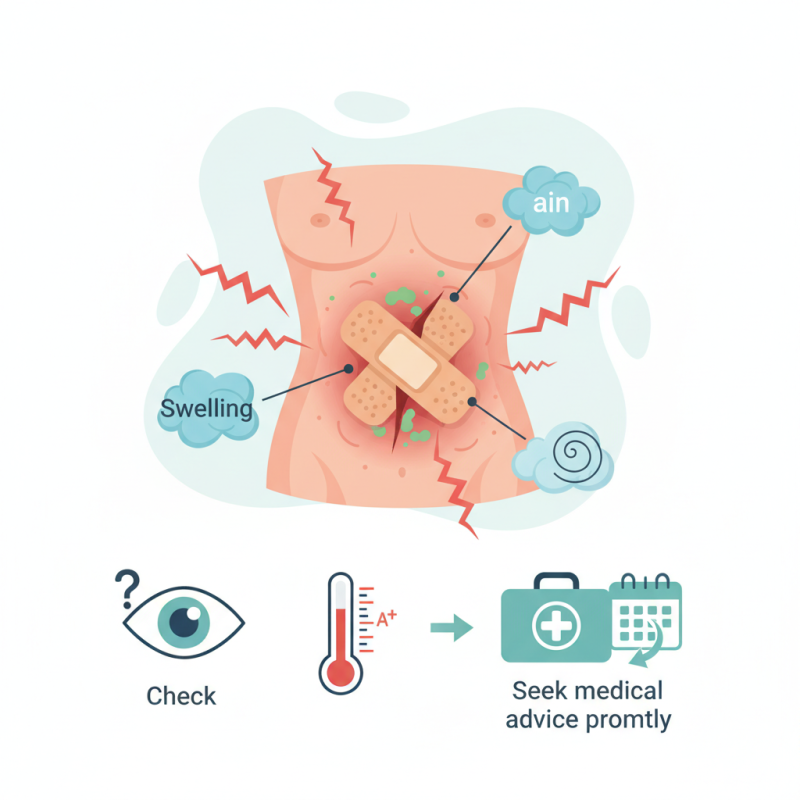
Signs of Infected Wound Under Dressing You Should Know
When caring for a wound under a dressing, it's essential to monitor for signs of infection. Redness, swelling, or warmth around the wound can indicate an issue. You might also notice increased pain in the area. Discharge from the wound may also change in color or odor. These symptoms are signals to take immediate action.
Tips: Keep the dressing clean and dry. Change it according to guidelines or if it becomes wet. Avoid tight dressings that may cut off circulation. Regularly check the dressing for any signs of leakage or discoloration.
Remember, it's normal for a wound to weep slightly. However, if the discharge becomes thick or foul-smelling, it's a concern. You might feel frustrated if healing slows down. That’s common. Focus on your body’s signals. If infection seems likely, don’t hesitate to consult a healthcare professional. Their insights can guide you toward proper care.
Common Indicators of Wound Infection: Redness, Swelling, and Pain
An infected wound can show several common signs. Redness is often the first indicator. When a wound becomes infected, the skin around it may turn bright red. This redness usually spreads and is often accompanied by warmth. These symptoms indicate that the body is responding to infection.
Swelling is another key sign. An infected area may swell significantly. You might notice a noticeable puffiness around the wound. This swelling can put pressure on nearby tissues, causing more discomfort. In some cases, this inflammation may even lead to impaired mobility, depending on the wound's location.
Pain often intensifies with infection. If the dressing feels tighter, this might indicate the presence of pus. An increase in pain, especially when touched, usually signals a serious issue. If you notice these signs, it’s essential to seek medical advice. Monitoring wounds closely is vital. Regular checks can help catch infections early, minimizing complications.
The Role of Exudate: What Changes in Fluid Really Mean
Understanding the role of exudate is crucial in assessing wound infection. Exudate refers to the fluid that leaks out of blood vessels into injured tissue. It often contains proteins, white blood cells, and other components. Changes in exudate can signal infection. For instance, a shift from clear or pale yellow fluid to a cloudy appearance may indicate bacterial presence. Studies show that 40% of wounds with cloudy exudate develop complications if untreated.
Different colors of exudate provide vital clues. Yellow or green pus is often a sign of infection. Blood-tinged exudate may result from tissue damage but isn’t always alarming. In contrast, if exudate smells foul, this may indicate serious infection. Be alert to changes in smell, as they can be crucial indicators of wound status.
Tips for managing wound exudate effectively: Maintain a clean environment around the wound. Regularly check the dressing for dampness. Consider utilizing moisture-retentive dressings that can absorb excess exudate while maintaining an optimal healing environment. Document any changes diligently. Monitoring exudate characteristics can make a significant difference in outcomes. Regular observations and adjustments are key in preventing complications.
Signs of Infected Wound Under Dressing You Should Know
Temperature and Infection: Understanding Systemic Reactions in Wound Care
In wound care, temperature plays a critical role in identifying infection. An increase in local temperature may indicate inflammation. Feel the area around the wound. If it's noticeably warmer than the surrounding skin, alert your healthcare provider. This might be an early sign of infection.
Systemic reactions are also important. A fever can indicate that your body is fighting an infection. Monitor your temperature regularly if you suspect an infected wound. Sudden spikes in temperature, above 100.4°F (38°C), should prompt immediate medical attention. Patients often overlook these signs. Acting quickly can prevent complications.
Temperature changes can be easily dismissed, yet they are crucial indicators. Keep a close eye on any unusual symptoms. Your body communicates in various ways. Trust your instincts. If something feels off, seek professional care. Understanding these signs can lead to better wound management and a quicker recovery.
Signs of Infected Wound Under Dressing You Should Know?
| Sign of Infection |
Description |
Action Needed |
| Increased Temperature |
Wound temperature rise indicates a potential infection |
Monitor temperature; consult healthcare provider if persistent |
| Increased Pain |
Unexpected or worsening pain at the wound site |
Assess the wound; seek medical advice if pain escalates |
| Redness and Swelling |
Excess redness or swelling surrounding the wound |
Evaluate for signs of clinical infection; consider professional evaluation |
| Pus or Discharge |
Presence of pus suggests an infection |
Contact healthcare provider to assess and possibly treat the infection |
| Foul Odor |
Unpleasant smell around the wound area |
Indicates potential infection; seek medical advice |
Importance of Monitoring Wound Odors: When to Seek Medical Attention
Monitoring wound odors is crucial for identifying potential infections. Unpleasant or foul smells can indicate that the wound is not healing properly. Bacteria may be present, causing a risk of complications. It’s essential to be aware of these signs, especially if the wound is covered by a dressing. Regularly checking the dressing can help catch issues early.
If you notice a strong odor, it’s time to seek medical attention. Even subtle changes in smell can point to problems. Clear or sweet odors often suggest healing, while pungent ones can be alarming. Do not ignore these signs. Proper care and swift action can prevent further health issues. Remember, your body communicates through various signals.
Sometimes, individuals might feel embarrassed to report these issues. This is a common hesitation, but it’s vital to address your health openly. Prioritize your recovery over any fears. Listening to those odors is part of responsible care. Don’t let discomfort keep you from seeking help. Your health should always come first.
Healthcare Guidelines: When to Change Dressings for Infection Prevention
In wound care, timely dressing changes are crucial for infection prevention. Studies show that improperly managed dressings can increase infection rates by up to 50%. A study published in the Journal of Clinical Nursing emphasizes that dressings should be assessed daily, especially for signs of infection. Symptoms include increased redness, swelling, and unusual discharge. Any of these signs can indicate the need for immediate intervention.
Research from the Wound Healing Society highlights that moist environments promote healing but can also foster bacterial growth. That's why healthcare professionals recommend changing dressings based on exudate levels and not strictly on a schedule. It is essential to monitor the wound for changes in size, color, or smell. If a dressing feels excessively damp, it may be time to replace it even if the scheduled change has not yet arrived.
While guidelines exist, different wounds may require individualized approaches. Variability in patient responses can complicate treatment. Regular training for healthcare providers can enhance their ability to recognize infection signs. This continuous education can improve patient outcomes and reduce hospital readmission rates related to wound infections. Ignoring these guidelines can have serious repercussions, making proper training essential in healthcare settings.
FAQS
: Exudate is the fluid leaking from blood vessels into injured areas. It helps assess wound infection.
A shift from clear to cloudy exudate often signals bacterial presence and possible infection risk.
Yellow or green pus usually means infection. A foul smell indicates a serious infection might be present.
Keep the area clean and check dressings regularly. Moisture-retentive dressings can help.
Dressings should be changed based on exudate levels, not just on a schedule. Monitor for dampness.
Increased redness, swelling, or unusual discharge can all signify that a dressing change is needed.
Ongoing education helps providers recognize infection signs and improves patient outcomes in wound care.
No, different wounds may require individualized care styles based on specific responses and needs.
Not changing dressings appropriately can increase infection rates significantly, leading to complications.
Daily assessments are crucial. Regular observations help detect changes and prevent complications.
Conclusion
In assessing wound care, it's crucial to recognize what are the signs of an infected wound under a dressing. Common indicators include redness, swelling, and pain, which signal inflammation and potential infection. Additionally, the nature of the exudate—such as changes in color or odor—can provide insights into the wound's status, while an elevated temperature may indicate systemic reactions related to infection.
Monitoring wound odors is also essential, as foul-smelling drainage can prompt the need for immediate medical attention. Following healthcare guidelines for dressing changes can significantly aid in infection prevention, ensuring proper healing. By staying vigilant for these warning signs, patients and caregivers can respond promptly to any complications that arise during the healing process.
 Evolve Medical
