 Evolve Medical
Evolve Medical
Evolve Medical
Medical adhesives protect dressings, sensors, and access devices, yet they can also cause redness, itching, or painful skin tears. In 2026, preventing these reactions requires more than choosing a stronger tape. It requires careful assessment, suitable products, and gentle daily handling. How to prevent skin irritation from medical adhesives begins with understanding the person’s skin, medical condition, and previous adhesive reactions.
Experienced nurses and wound-care specialists often inspect the skin before every application. Clean, fully dry skin provides a safer surface. Moisture, friction, and repeated removal can weaken the outer barrier. A small patch test may help identify sensitivity, although it cannot predict every reaction. Use adhesive removers designed for medical care, not household solvents. Pull slowly and parallel to the skin. Support the skin with one hand.
Small changes matter.
This guide presents practical, evidence-informed approaches for patients, caregivers, and healthcare professionals. It discusses adhesive selection, barrier films, application pressure, removal technique, and early warning signs. However, no routine works perfectly for everyone. Some products labeled “gentle” may still irritate fragile skin. That limitation deserves attention, not dismissal. Stop using the product and seek clinical advice when blistering, spreading redness, swelling, drainage, or severe pain appears. People with diabetes, allergies, eczema, or very fragile skin may need individualized guidance. Reliable prevention combines professional recommendations with careful observation at home.
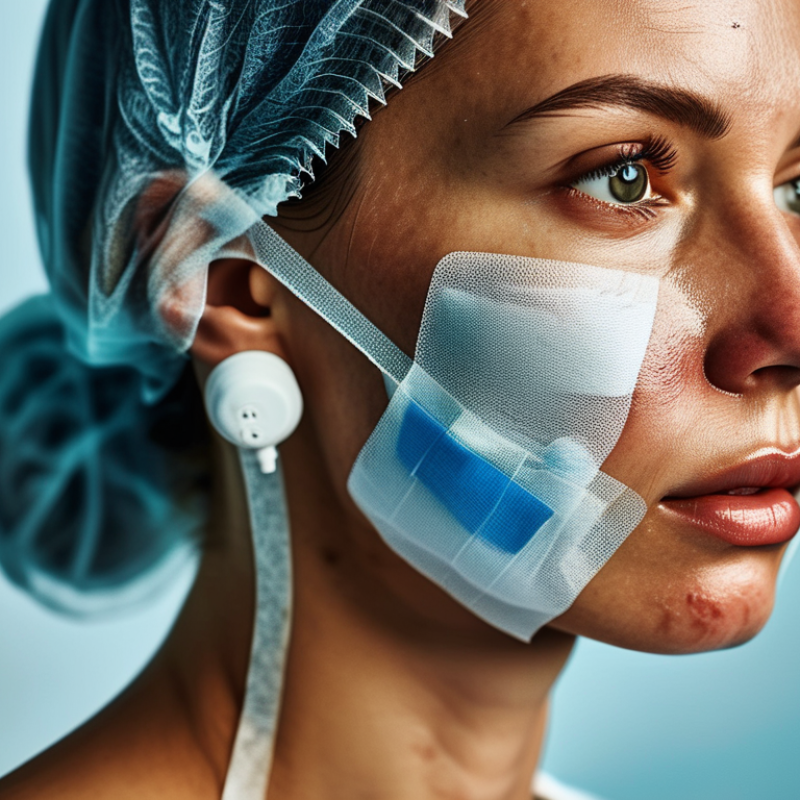
Medical adhesive irritation can develop for several different reasons. The adhesive may damage the outer skin layer during removal. Friction, sweat, and repeated application can increase this damage. Some people also develop allergic contact dermatitis to an adhesive ingredient.
The timing often provides useful clues. Burning or stinging soon after application may suggest irritation. Itching, redness, swelling, or small blisters can appear later. The rash may follow the exact shape of the adhesive. Moisture trapped beneath the dressing can make the area look pale and wrinkled. That weakened skin tears more easily.
Skin condition matters. Older adults, infants, and people with eczema may have less protective skin. Frequent washing, shaving, or steroid use can also increase sensitivity. In clinical practice, gentle removal makes a noticeable difference. Loosen one edge slowly, support the surrounding skin, and pull parallel to the surface. Do not rip upward.
Keep the area clean and dry. Avoid placing adhesive over broken, inflamed, or wet skin. A clinician may recommend a different dressing material or a protective skin barrier. However, barrier products can sometimes reduce adhesion or cause their own reaction. That detail is easy to overlook.
Stop using the adhesive if symptoms worsen. Seek medical advice for spreading redness, severe pain, pus, fever, or breathing difficulty. A mild rash may settle after removal, but guessing is not always safe. Photographing the reaction can help a healthcare professional identify its pattern.
| Prevention Area | What May Cause Irritation | Best-Practice Tip | Practical Detail | Warning Sign |
|---|---|---|---|---|
| Identify the reaction | Irritant contact dermatitis can result from friction, moisture, occlusion, or adhesive chemicals. Allergic contact dermatitis is an immune reaction to a specific ingredient. | Record when symptoms begin, where they appear, and which type of adhesive was used. Share this history with a healthcare professional. | Burning and stinging soon after application can suggest irritation; delayed, intensely itchy redness may indicate allergy, although only clinical assessment can confirm the cause. | A reaction that extends beyond the adhesive area or repeatedly returns after exposure. |
| Inspect the skin first | Applying adhesive over broken, inflamed, wet, infected, or recently irritated skin increases discomfort and can impair healing. | Use intact, clean, dry skin whenever clinically appropriate. Avoid placing adhesive over an existing rash or wound unless specifically directed. | Check for redness, peeling, blisters, cuts, pressure injury, or moisture before each application. | Open skin, increasing pain, drainage, warmth, or spreading redness. |
| Clean and dry gently | Residue from oils, lotions, soaps, or disinfectants may reduce adhesion or irritate the skin. Rubbing can cause microscopic skin damage. | Clean according to the care plan, rinse away residue when appropriate, and allow the skin to dry fully before applying adhesive. | Do not apply moisturizer, oil, or powder beneath adhesive unless a healthcare professional has recommended it. | Adhesive lifting, persistent dampness, or immediate stinging after preparation. |
| Choose the least irritating option | Different adhesives, tapes, films, and fixation methods contain different materials and have different levels of tack and flexibility. | Ask a clinician whether a gentler adhesive, non-adhesive fixation method, or skin-protective interface is suitable for the medical purpose. | The safest alternative depends on the device, required wear time, skin condition, and risk of accidental removal. | Repeated reactions despite correct preparation and application. |
| Use skin barriers carefully | Some barrier films or protective dressings may not be compatible with every adhesive or medical device. | Use only a healthcare-professional-approved barrier product and allow it to dry completely before applying the adhesive. | A barrier should not be used to conceal worsening redness, infection, or a pressure injury. | Poor adhesion, increased moisture, blistering, or worsening irritation under the barrier. |
| Apply without excess tension | Stretching tape or film during application can create skin tension, friction, and medical adhesive-related skin injury. | Apply the adhesive smoothly without pulling the skin or stretching the product unless the specific clinical technique requires tension. | Press gently to secure the adhesive; avoid repeatedly lifting and repositioning it. | Pain, whitening, skin pulling, or a blister forming at the edge. |
| Manage moisture and friction | Sweat, bathing, drainage, movement, and repeated rubbing can weaken the skin barrier and loosen the adhesive. | Keep the area as dry as permitted, protect it from friction, and change the dressing or fixation method according to the care plan. | Inspect skin more frequently in folds, under devices, and during heat or heavy perspiration. | Macerated white skin, persistent dampness, odor, or rapidly loosening adhesive. |
| Remove slowly and correctly | Fast removal, pulling upward, or removing against the direction of hair growth can strip the outer skin layer. | Stabilize the skin and remove the adhesive slowly, keeping the strip low and close to the skin. Stop if severe pain or skin lifting occurs. | Use only an approved adhesive-removal product when advised; avoid harsh solvents and forceful scraping. | Skin tears, bleeding, epidermal lifting, or severe pain during removal. |
| Rotate application sites | Repeated use on the same area increases cumulative exposure, friction, and risk of skin breakdown. | Rotate sites when clinically possible and allow irritated skin to recover before reapplying adhesive. | Site rotation must not compromise device position, treatment delivery, or wound care. | Persistent redness or tenderness at a frequently used site. |
| Monitor high-risk skin | Older age, premature skin, fragile skin, eczema, frequent dressing changes, sweating, and reduced sensation can increase injury risk. | Use a personalized inspection schedule and involve a clinician early when skin is fragile or sensation is reduced. | People who cannot report pain may require visual checks by a caregiver or healthcare professional. | New discoloration, swelling, blistering, or skin breakdown without reported pain. |
| Respond early | Continued exposure can worsen contact dermatitis and may lead to skin loss or secondary infection. | If medically safe, stop using the suspected adhesive and contact a healthcare professional for an alternative and treatment advice. | Do not apply steroid, antibiotic, or antiseptic products under a device unless prescribed or specifically recommended. | Seek urgent care for facial swelling, breathing difficulty, widespread hives, fever, pus, or rapidly spreading redness. |
| Document known sensitivities | Prior reactions may recur after re-exposure to the same or chemically related adhesive ingredients. | Keep a written record of the product type, application site, symptoms, timing, and medical advice received. | Ask a clinician whether formal allergy evaluation or patch testing is appropriate before future use. | A similar rash after different adhesive products or repeated exposure. |
: Removal can damage the outer skin layer. Friction, sweat, and repeated application may worsen irritation. Allergic reactions are also possible.
Burning or stinging may begin soon after application. Later, itching, redness, swelling, or small blisters can appear.
A rash matching the adhesive’s shape may indicate contact irritation. Pale, wrinkled skin suggests trapped moisture beneath the dressing.
Wash gently with mild soap and lukewarm water. Rinse away residue, then pat the area dry with a clean towel.Do not rub.
Look for redness, broken skin, rash, swelling, or drainage. Keep lotion, oil, sweat, and loose powder away from the area.
Not always. Trimming may be safer because shaving can create tiny cuts. Allow the skin to return to normal temperature before application.
Loosen one edge slowly while supporting nearby skin. Pull parallel to the skin surface, not upward. Ripping is painful and avoidable.
It may help some people, but it must dry fully first. It can reduce adhesion or cause another reaction, which is easy to miss.
Seek help for spreading redness, severe pain, pus, fever, or breathing difficulty. Persistent symptoms also deserve professional assessment.Do not guess.
Medical adhesive irritation can range from mild redness and itching to painful skin damage, especially when adhesives are used repeatedly or left in place for long periods. Understanding common risk factors—such as sensitive or fragile skin, moisture, friction, allergies, and frequent removal—can help users recognize early warning signs and respond promptly. How to prevent skin irritation from medical adhesives begins with preparing clean, completely dry skin and avoiding lotions or oils that may weaken adhesion or increase discomfort.
Choosing an adhesive suited to the person’s skin and intended use is important. Apply it gently without excessive stretching, keep the area clean and dry, and remove it slowly while supporting the surrounding skin. If irritation develops, stop using the adhesive when appropriate, cleanse the area gently, and allow the skin to recover. Persistent redness, swelling, blistering, pain, or signs of infection should be assessed by a healthcare professional. Future skin damage can be reduced by rotating application sites, limiting unnecessary adhesive use, and monitoring the skin regularly.
