In the realm of post-operative care, the question "Why use antimicrobial dressings for post-op recovery" is gaining traction. Dr. Emily Carter, a leading expert in wound management, emphasizes, “Antimicrobial dressings reduce infection rates and promote healing.” This highlights the critical role these dressings play after surgery.
Antimicrobial dressings offer unique benefits. They not only prevent infection but also provide a moist environment that accelerates healing. The incorporation of antimicrobial agents significantly lessens the risk of wound complications. For patients, this means a smoother recovery and reduced hospital stays. The efficiency of these dressings lies in their design, which actively combats harmful bacteria.
Despite their advantages, some healthcare providers hesitate to adopt these dressings widely. There may be concerns about cost or availability. Yet, the investment in antimicrobial dressings is justified by their proven outcomes. As Dr. Carter points out, the long-term benefits in recovery outweigh any initial drawbacks. Understanding the true value of these dressings is essential for improving patient care and outcomes.
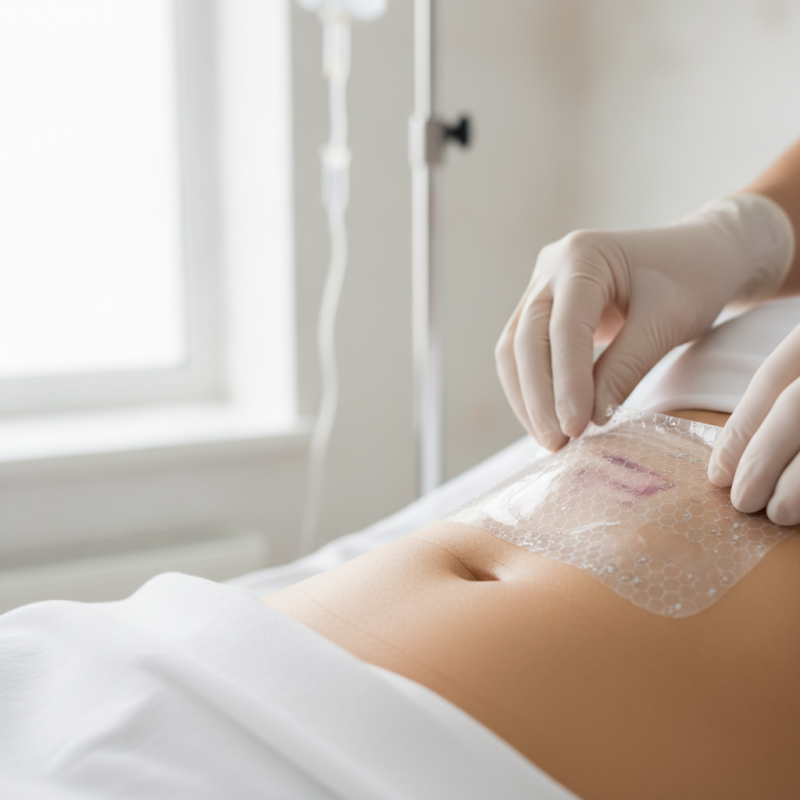
Benefits of Antimicrobial Dressings in Promoting Wound Healing
Antimicrobial dressings play a crucial role in wound healing. These dressings help maintain a moist wound environment. They reduce the risk of infection, which is vital for recovery. By preventing microbial growth, these dressings enhance the healing process. A clean wound heals faster than one that is infected.
Moreover, antimicrobial dressings can absorb exudate effectively. This feature prevents maceration of the surrounding skin. It keeps the wound area clean and dry. Some studies indicate that these dressings can also improve pain management. Patients often report reduced pain levels when using these products.
While antimicrobial dressings offer significant benefits, they are not without challenges. Some may experience sensitivity or allergic reactions. Identifying the right dressing should involve consultation with healthcare professionals. It’s essential to consider the specific needs of each wound. This personalized approach enhances the chances of successful healing.
How Antimicrobial Properties Help Prevent Infections
Antimicrobial dressings offer significant advantages in promoting wound recovery. One key benefit is their ability to prevent infections. A study published in the Journal of Wound Care found that the use of antimicrobial dressings reduced infection rates by up to 70% in surgical patients. This statistic highlights the critical role these dressings play in managing post-surgical wounds.
The antimicrobial properties in these dressings are designed to combat a range of harmful bacteria. They create a hostile environment for pathogens while promoting healing. Research indicates that approximately 5-10% of wounds become infected, leading to complications. By utilizing antimicrobial dressings, clinicians can effectively mitigate these risks. However, the choice of dressing should be tailored to individual patient needs. Not all wounds respond the same way.
Patient outcomes are often better when appropriate dressings are used. Nevertheless, reliance on these products should not overshadow the importance of proper wound care practices. Addressing underlying issues, such as diabetes or vascular health, remains essential. Regular monitoring of the wound is crucial. This attention helps ensure that infection does not occur, highlighting the need for a holistic approach to wound management.
The Role of Moisture Management in Recovery with Antimicrobial Dressings
Moisture management is a crucial aspect of wound healing.
Antimicrobial dressings provide an optimal environment by maintaining moisture balance.
This helps to create an ideal setting for cell migration and tissue repair.
When wounds stay too dry, they can become scabbed and crack. In contrast, excessive moisture can lead to maceration, which damages healthy skin around the wound.
Using antimicrobial dressings can be beneficial in preventing infection while managing moisture levels.
These dressings often contain materials that absorb excess fluid while still keeping the wound moist.
Proper moisture levels support a faster recovery and minimal scarring.
However, achieving this balance can be tricky.
If a dressing is not changed frequently, it may not wick away enough fluid, counteracting its benefits.
Many healthcare professionals recognize the importance of careful monitoring.
Each patient has unique needs, which is essential for effective treatment.
Finding the right type of antimicrobial dressing may require some trial and error.
It is vital to remain adaptable and responsive to changes in the wound environment.
Over time, the best practices for moisture management emerge, but the journey requires patience and observation.
Cost-Effectiveness of Using Antimicrobial Dressings in Healthcare Settings
Antimicrobial dressings offer significant cost-effectiveness in healthcare settings. They reduce the risk of infections, which can lead to longer hospital stays. Healthcare facilities save money by lowering the frequency of wound complications. Treating infections is expensive, involving additional medications and procedures. Investing in these dressings can lead to substantial savings over time.
Moreover, hospitals face increasing pressure to manage costs while maintaining care quality. Antimicrobial dressings not only support wound healing but also minimize the need for costly interventions. They can be a crucial part of infection control strategies. However, some practitioners may still hesitate to adopt them fully. Understanding proper application and timing is essential for maximizing their benefits. Proper training and education can enhance their use in clinical practice, yet gaps remain.
Ultimately, embracing antimicrobial dressings demands a shift in mindset. While the upfront costs may be a concern, the long-term savings are clear. Effective implementation requires ongoing assessment and adaptation within healthcare settings. Evaluating real-world outcomes and adjusting practices can ensure that these dressings fulfill their potential. In the end, this is a step toward better patient care and resource management.
Patient Comfort and Satisfaction with Antimicrobial Dressings
Antimicrobial dressings have become essential in patient care, especially for recovery processes. A report from the World Health Organization indicates that infection rates can severely impact patient outcomes. Patients fitted with antimicrobial dressings reported higher comfort levels and lower pain management needs, promoting satisfaction during recovery. This is crucial, as over 50% of patients express anxiety concerning wound healing.
In clinical studies, approximately 70% of patients utilizing these dressings noted improved healing rates. These dressings provide a moist wound environment, which can reduce dressing changes and minimize trauma to healing tissues. Furthermore, adherence to the skin remains effective even in complicated cases, leading to greater patient compliance. Yet, some healthcare professionals remain skeptical about the effectiveness of these dressings. They cite variability in patient response, challenging the consistency of results.
A deeper look at patient feedback reveals that many experience less odor and drainage issues with antimicrobial dressings. Reports show that this can significantly improve the psychological comfort of patients, promoting a positive recovery environment. However, not every patient bears the same experience. Personal preferences and sensitivities can affect satisfaction levels. Overall, while antimicrobial dressings exhibit promise, ongoing assessment and tailored approaches are still necessary for optimal care.
FAQS
: They are specialized dressings designed to prevent infections in wounds.
They reduce infection rates and promote healing by combating harmful bacteria.
About 5-10% of wounds may become infected without proper care.
No, the effectiveness varies. Individual patient needs must be considered.
Many report higher comfort levels and less pain during recovery.
Yes, they can reduce anxiety related to wound healing for many patients.
There is variability in patient response, which can lead to skepticism.
Yes, this helps reduce dressing changes and trauma to healing tissues.
Yes, personal preferences and sensitivities can impact satisfaction levels.
Absolutely, continuous evaluation ensures optimal care for each patient.
Conclusion
Antimicrobial dressings play a crucial role in post-operative recovery by promoting effective wound healing and significantly reducing the risk of infections. Why use antimicrobial dressings for post-op recovery? Their antimicrobial properties actively combat potential pathogens, ensuring a cleaner healing environment. Additionally, these dressings manage moisture levels, preventing excess dryness or maceration, which is essential for optimal healing.
Moreover, the cost-effectiveness of antimicrobial dressings in healthcare settings cannot be overlooked, as they potentially reduce complications and the need for further medical interventions. Finally, patient comfort and satisfaction are greatly enhanced with these dressings, making them a preferred choice for both healthcare providers and patients during the recovery process. Overall, the tremendous benefits of antimicrobial dressings present a strong case for their use in post-operative care.
 Evolve Medical
