Evolve Medical Evolve Medical

2026 Top Ways to Reduce Pain During Blood Draws

Time:2026-11-16 Author:Isabella
0%

A blood draw may last less than a minute, yet a cold tourniquet, a missed vein, or fear of the needle can make it feel much longer. How to reduce patient discomfort during blood sampling is therefore more than a comfort question. It also concerns communication, collection technique, and reliable specimens. The World Health Organization’s Guidelines on Drawing Blood (2010) set out standardized practices for safer collection. Separately, Mario Plebani’s review in Clinical Chemistry and Laboratory Medicine reported that preanalytical issues accounted for roughly 46–68% of laboratory errors in cited studies. That figure does not measure pain, but it shows why careful preparation matters.

Pain is personal. Margo McCaffery, a nurse and pain-management expert, famously wrote, “Pain is whatever the experiencing person says it is, existing whenever the experiencing person says it does.” That principle supports asking patients what has helped before, explaining each step, and giving them time to settle their arm. Small choices matter: a warm hand, a supported elbow, and a calm, direct explanation. WHO has also estimated about 16 billion injections worldwide each year; this is not a blood-draw count, but it underscores how often needle procedures shape care. Still, evidence for some comfort methods is uneven. A technique that reassures one patient may not help another. The best approach stays attentive, practical, and open to correction.
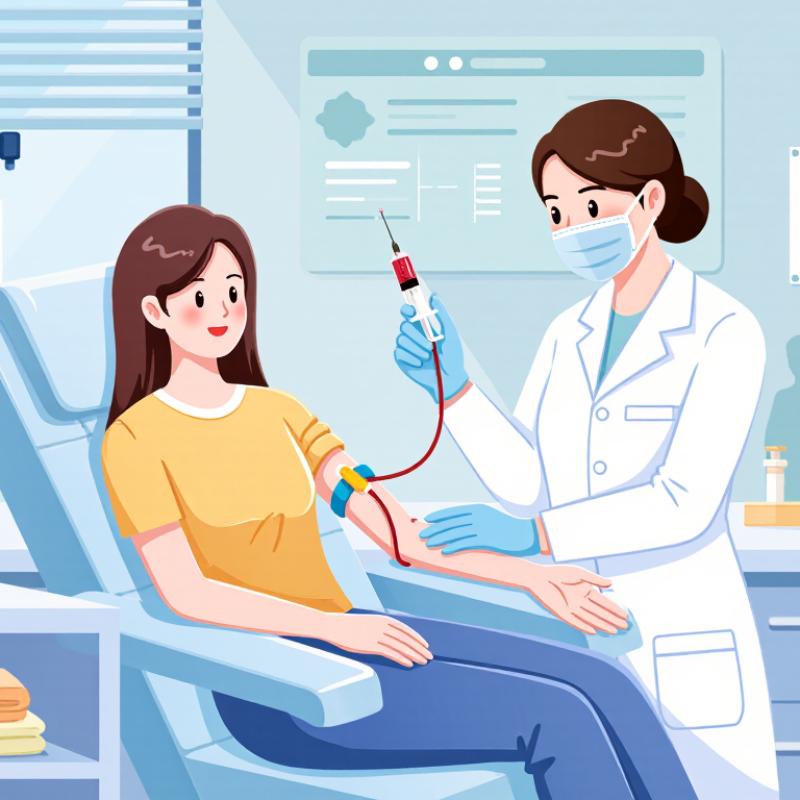
2026 Top Ways to Reduce Pain During Blood Draws

Why Blood Draws May Cause Pain

Blood draws may hurt because a needle has to pass through skin and enter a vein. The first sensation is often a quick sting. Pressure, a small adjustment, or the needle touching a sensitive area can make it sharper. Veins also vary in size, depth, and position, so one person’s easy draw may take more care for someone else.

Stress can heighten how strongly the body notices discomfort. Cold hands, a history of difficult draws, or holding the arm tense may add to the challenge. A vein can also move slightly under the skin. Sometimes the reason for pain is not obvious, and it is fair to tell the collector if something feels wrong.

Tips: Wear sleeves that roll up easily, and keep your arm warm before the appointment. Drink water beforehand unless a clinician has told you to limit fluids. Let the collector know about past fainting or difficult draws. Look away and breathe out slowly as the needle goes in; don’t clench your fist or jerk your arm. A little tenderness or bruising can happen afterward, but worsening pain, marked swelling, or numbness should be discussed with a healthcare professional.

How to Prepare for a More Comfortable Blood Draw

A little preparation can make a blood draw feel more manageable, though it cannot remove every pinch. Check your appointment instructions the day before. If fasting is required, follow the clinic’s directions about food and drinks; do not assume water is restricted. When no restriction applies, drinking water beforehand may make veins easier to access. Wear a top with sleeves that roll above your elbow, and allow a few extra minutes so you are not rushing into the chair. Small details help.

Tell the phlebotomist if you have fainted, felt dizzy, or struggled with needles before. They can help you lie down or find a position that feels safer. Look away, loosen your shoulder, and breathe out slowly during the draw. A tense arm can make the moment feel harder. If you feel faint, sweaty, or nauseated, speak up immediately. A pause is okay.

Tips: Bring your appointment instructions, and ask whether water is allowed if you are unsure. If you are considering numbing cream, check with your healthcare provider first and follow their directions. It is easy to focus only on the needle; the waiting can be uncomfortable too. Plan one small distraction, such as counting ceiling tiles or listening to a calm song.

Ways to Reduce Discomfort During the Procedure

2026 Top Ways to Reduce Pain During Blood Draws

Ways to Reduce Discomfort During the Procedure

A few small adjustments can make a blood draw feel more manageable. Tell the phlebotomist if you have fainted, felt nauseated, or had difficult draws before. You can ask to lie down, especially if needles make you light-headed. Rest your arm on the support, keep your hand loose, and look away if watching increases tension. Slow breathing may help: breathe in gently, then let the exhale last a little longer. Don’t hold your breath; that can make you feel worse.

Distraction has research behind it, though results vary. A 2018 Cochrane review of 59 studies involving 5,550 children found that distraction reduced self-reported needle pain, with a moderate standardized effect (SMD −0.56). The review focused on children, so the finding should not be treated as a guarantee for adults. For young patients, conversation, counting, or a short video may help. For some people, none of these feels useful. That matters, too. The World Health Organization’s phlebotomy guidance emphasizes clear communication and a comfortable patient position; tell the collector if you need a pause.

Tips: Drink water beforehand unless your clinician has given different instructions. Keep your arm warm with a sleeve, and avoid tensing your fist. Ask whether a numbing cream is suitable and when to apply it; timing matters. Afterward, press a clean cotton pad firmly over the site.

2026 Top Ways to Reduce Pain During Blood Draws

Track comfort with a 0–10 pain scale before and after trying a comfort measure.

The chart groups integer scores into commonly used pain-rating bands; these are not treatment-effect measurements. To help reduce discomfort, ask about a topical numbing product ahead of time, look away or use distraction, and keep your arm relaxed. Tell the clinician if you feel faint or unusually anxious.

What to Do After the Blood Draw

After the draw, keep your arm straight and press clean gauze firmly over the puncture site. The World Health Organization’s Guidelines on Drawing Blood (2010) advise maintaining pressure until bleeding stops; about two to three minutes is a useful guide. Keep it simple. Don’t rub the spot or bend your elbow sharply, since either can disturb the forming clot. Once bleeding has stopped, a small adhesive dressing can protect the area.

A faint bruise may appear later. A cool pack wrapped in cloth can help soothe tenderness; don’t place ice directly on skin. Avoid strenuous lifting with that arm for the rest of the day if it feels sore. If you take blood-thinning medication or bruise easily, hold pressure longer and ask the clinician for tailored advice. No rubbing. A little redness can happen, but contact a healthcare professional if pain or swelling worsens, bleeding restarts, or your hand becomes numb or unusually pale. It is easy to focus on the needle and overlook aftercare; those quiet minutes matter, even when the mark looks tiny.

2026 Top Ways to Reduce Pain During Blood Draws - What to Do After the Blood Draw

Stage What to do How to do it Helpful notes
Before the draw Drink water if permitted Have water beforehand unless your clinician or test instructions require you to limit fluids. Follow fasting instructions carefully. Do not change medication or food instructions without medical advice.
Before the draw Keep warm Wear warm clothing or gently warm your arm before the appointment. Warmth may make veins easier to locate. Avoid anything uncomfortably hot.
Before the draw Tell the phlebotomist about concerns Mention needle anxiety, a history of fainting, difficult draws, or which arm has worked best before. Ask to lie down if you have fainted during blood draws in the past.
Before the draw Ask about numbing options If you want a topical numbing product, check with a healthcare professional in advance and follow its directions. Some products need time to work and may not be suitable for everyone.
During the draw Relax your arm and stay still Rest your arm comfortably and keep it still while the needle is inserted and blood is collected. Do not pump or repeatedly clench your fist unless the phlebotomist specifically asks you to.
During the draw Use slow breathing or distraction Look away if that helps, and breathe slowly and steadily. You can also listen to music or talk with the phlebotomist. Tell the phlebotomist right away if you feel faint, nauseated, sweaty, or unusually unwell.
Immediately after Apply firm pressure Keep your arm straight and press firmly over the puncture site with clean gauze for several minutes, or as directed. If you take blood-thinning medication or bleeding continues, maintain pressure longer and ask the healthcare professional for guidance.
After the draw Keep the dressing on briefly Leave the small bandage in place for about 15–30 minutes, unless you were given different instructions. Avoid rubbing the puncture site.
After the draw Care for a small bruise If a bruise develops, apply a cold pack wrapped in cloth for 10–15 minutes at a time during the first day. Do not place ice directly on your skin. Bruising usually fades on its own.
After the draw Take it easy with that arm Avoid heavy lifting with the arm for a few hours if the site is sore or bruised. Resume normal activity as you feel comfortable, unless your clinician advises otherwise.
After the draw Seek help for concerning symptoms Contact a healthcare professional if bleeding does not stop with sustained pressure, or if pain, swelling, redness, warmth, or numbness is severe or worsening. Seek urgent care for significant or rapidly increasing swelling, severe pain, or other serious symptoms.

Note: Follow the instructions from your healthcare professional and the laboratory, especially when fasting or taking medication.

When to Discuss Pain or Anxiety With a Healthcare Professional

A blood draw should cause brief discomfort, but intense fear or pain deserves a conversation before your next appointment. Tell the clinician if you have fainted, felt panicky, or had a difficult draw before. Small details help: perhaps the room felt too warm, the tourniquet pinched, or watching the needle made your hands shake. You are not being difficult. Ask whether you can lie down, have each step explained, or look away. These adjustments may help, though no method works for everyone.

Speak with a healthcare professional before the appointment if anxiety leads you to avoid needed tests, or if past experiences involved trauma or repeated failed attempts. They can review suitable options, such as a numbing product or extra time, and explain any limits. Don’t stop prescribed medicines or change eating and drinking instructions without checking first. Mention conditions or treatments that affect bleeding or veins, too.

After a draw, contact the clinic about worsening pain, increasing swelling, or numbness that does not settle. A little soreness can happen. Persistent symptoms should not be brushed aside. It can be hard to judge what feels “serious” in the moment, so describing exactly what you notice is a useful place to start.

FAQS

Why can a blood draw hurt?

The needle passes through skin and enters a vein. You may feel a quick sting, pressure, or a sharper pinch if the needle touches a sensitive area. It may still hurt.

Can stress make the discomfort feel stronger?

Yes. Tense muscles, cold hands, or worry after a difficult draw can make discomfort more noticeable. Slow breathing may help, though it is not a guarantee.

How can I prepare for a blood draw?

Wear a sleeve that rolls up easily and keep your arm warm. Drink water beforehand unless a clinician has told you to limit fluids.

What should I tell the person collecting my blood?

Mention past fainting, nausea, anxiety, or difficult draws. Small details matter, like a tourniquet pinching or watching the needle making your hands shake.

What can I do during the procedure?

Rest your arm on the support, keep your hand loose, and look away if that feels better. Breathe in gently and let your exhale last longer. Don’t hold your breath.

Can distraction reduce needle pain?

Conversation, counting, or a short video may help, especially for young patients. Research found benefits in children, but results vary. It may not help everyone.

Can I ask to lie down or use numbing cream?

You can ask to lie down if needles make you light-headed. Ask a healthcare professional whether numbing cream is suitable and when to apply it. Timing matters.

When should I contact a healthcare professional after a blood draw?

Mild soreness or bruising can happen. Contact the clinic about worsening pain, increasing swelling, or numbness that does not settle. Describe exactly what you notice.

Conclusion

Blood draws can cause discomfort for several reasons, including needle sensitivity, tension, dehydration, or difficulty finding a suitable vein. A little preparation may help: drink water if your care team has not advised otherwise, eat as usual unless fasting instructions apply, wear clothing that allows easy access to your arm, and tell the staff about any past difficulties or concerns. Understanding what will happen can also make the experience feel more manageable.

During the procedure, try relaxing your arm, breathing slowly, and looking away if seeing the needle increases anxiety. Let the healthcare professional know if you feel faint or unusually uncomfortable. Afterward, follow their instructions, keep pressure on the site as directed, and take a moment to recover if needed. How to reduce patient discomfort during blood sampling depends on individual needs, so discuss persistent pain, strong anxiety, or previous challenging blood draws with a healthcare professional before your next appointment.

Isabella

Isabella

Isabella is a dedicated marketing professional with a sharp focus on driving brand growth and engagement through strategic content creation. With an extensive background in digital marketing, she combines her passion for storytelling with her keen understanding of industry trends to deliver......