Evolve Medical
Evolve Medical
Evolve Medical
A technical analysis of engineering standards, regulatory compliances, and cleanroom production parameters in modern medical manufacturing.
The international healthcare infrastructure is experiencing a rapid decentralization of patient monitoring and therapeutic care. Driven by clinical resource optimization, aging global populations, and technological advancements in wearable telemetry, hospitals and diagnostic entities are outsourcing care to remote environments. Consequently, the global demand for Health Monitoring Devices and medical consumables has escalated. Professional buyers, global distributors, and hospital procurement officers must navigate a complex supply chain to secure high-quality medical equipment that complies with local healthcare authorities.
In this challenging ecosystem, procurement is no longer just about transactional cost savings. Today, purchasing managers assess a factory's complete footprint—examining raw materials traceability, mechanical tolerances, environmental control classifications, and multi-market certifications. Selecting the right B2B supplier is a key operational decision that directly impacts brand reputation, import clearance timelines, and clinical outcomes.
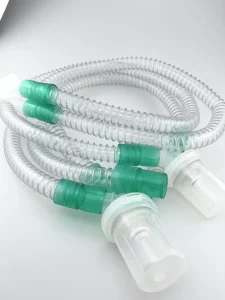
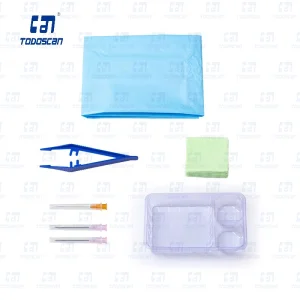
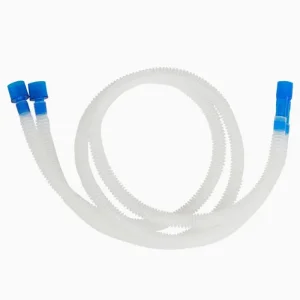
For high-performance medical supplies such as Disposable Silicone Anesthesia Circuits and sterile wound dressing packages, maintaining environmental purity during manufacturing is critical. Particle contaminants, chemical residues, and biological micro-organisms can compromise patient safety, potentially leading to nosocomial infections. Under the ISO 14644-1 standard, medical cleanrooms are classified by the maximum allowable concentration of airborne particles per cubic meter.
| Classification Standard | US FED STD 209E Equivalent | Max Particles (≥0.5µm/m³) | Typical Medical Application Areas |
|---|---|---|---|
| ISO Class 7 | Class 10,000 Cleanroom | ≤ 352,000 | Sterility testing, biological assays, packaging of invasive catheters and implants. |
| ISO Class 8 | Class 100,000 Cleanroom | ≤ 3,520,000 | Primary assembly of non-invasive respiratory tubing, external orthopedics, and protective consumables. |
In Class 10,000 (ISO Class 7) cleanrooms, air is changed 60 to 90 times per hour through High-Efficiency Particulate Air (HEPA) filters. This level of environmental control is required to prevent bioburden accumulation during assembly and packaging. Class 100,000 (ISO Class 8) cleanrooms are used for thermoforming, initial component molding, and the final packaging of non-invasive devices. Understanding these distinctions helps distributors ensure their products comply with medical-grade regulatory standards.
Established in 2021, Hebei Evolve Medical Technology Co., Ltd. has established itself as an advanced manufacturer in the medical consumables and clinical hardware sector. The company holds valid Class I, II, and III medical device business licenses, enabling it to manage both consumer-grade health aids and critical life-support consumables.
Equipped with a Class 10,000 sterile testing laboratory and a Class 100,000 clean production workshop, Evolve Medical integrates raw material selection, high-precision molding, computerized assembly, and strict physical and chemical testing. By aligning production with ISO 13485 quality management guidelines, the company provides consistent quality control for global healthcare brands.
Evolve Medical supports distributors, hospitals, and procurement networks worldwide. The facility provides high-mix, low-volume flexibility alongside high-capacity scale, helping partners respond quickly to changing market conditions.
Evolve Medical's manufacturing facility uses advanced machinery and automated control loops to ensure reliable dimensional tolerances and product durability. From precision laser cutters to computerized CNC milling, the company's manufacturing processes meet strict industrial specifications.
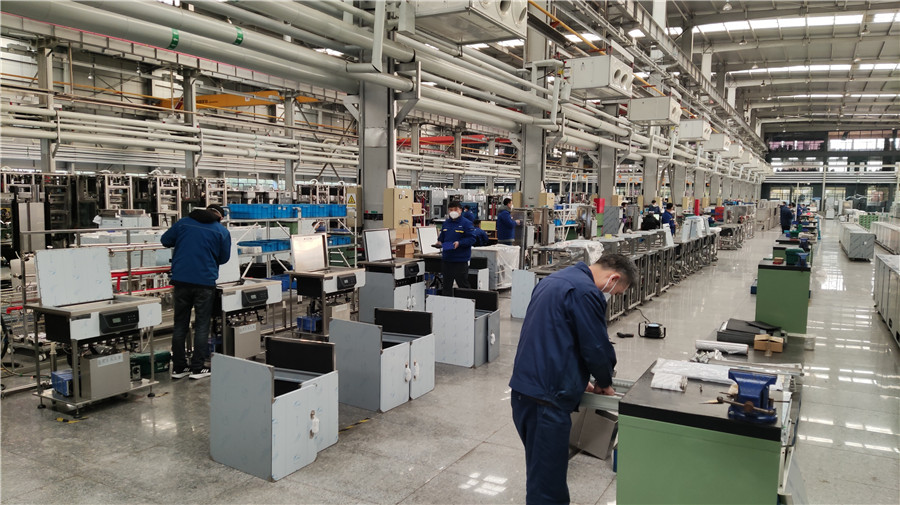
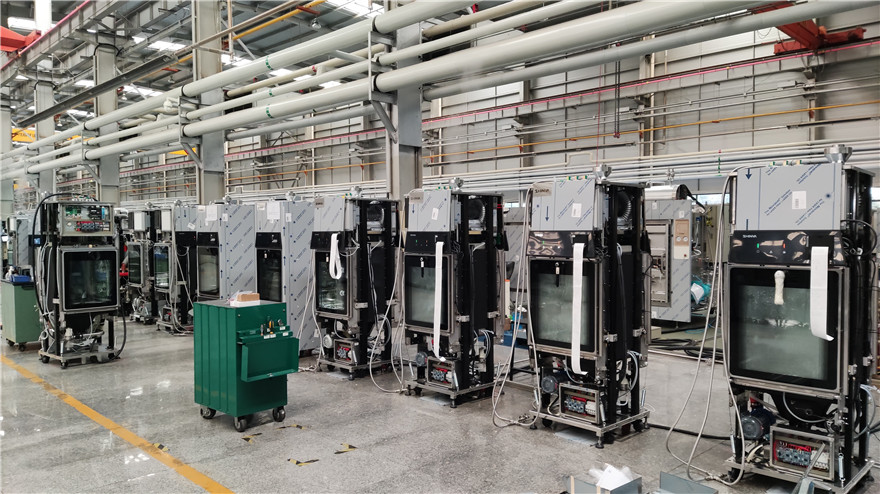
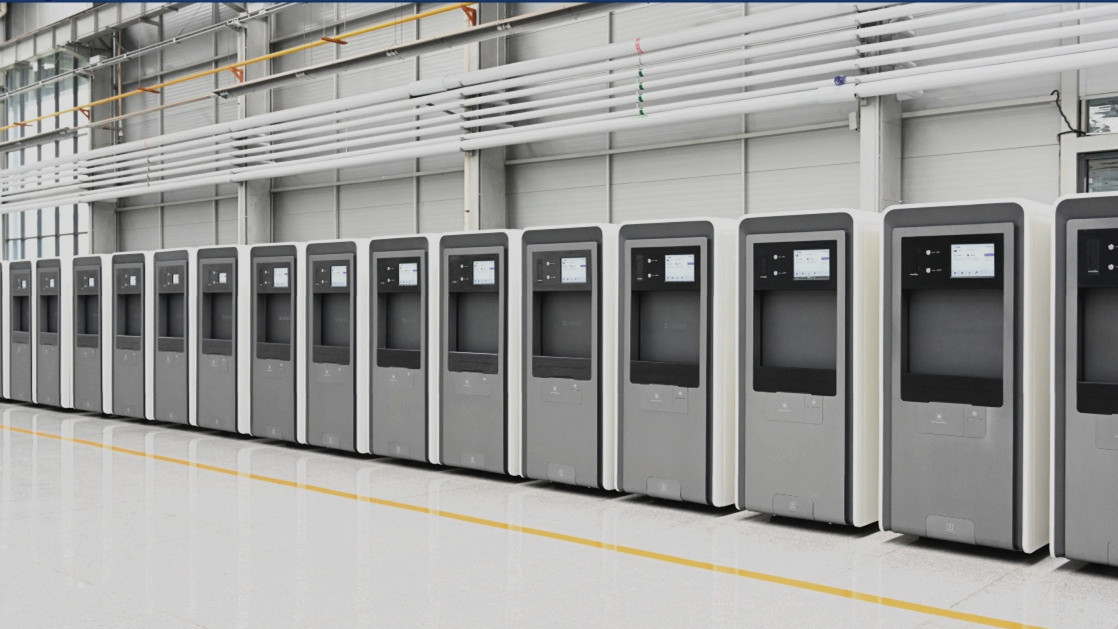
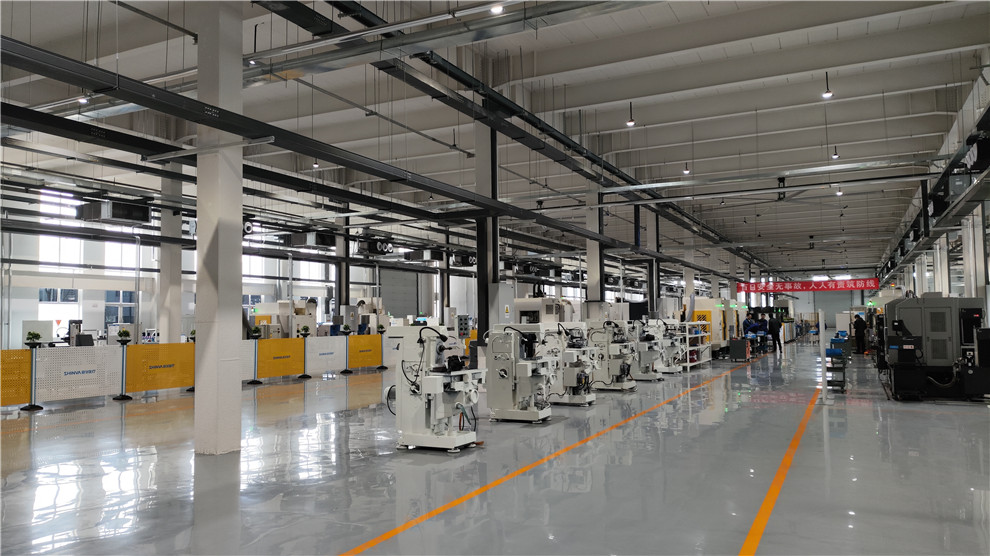
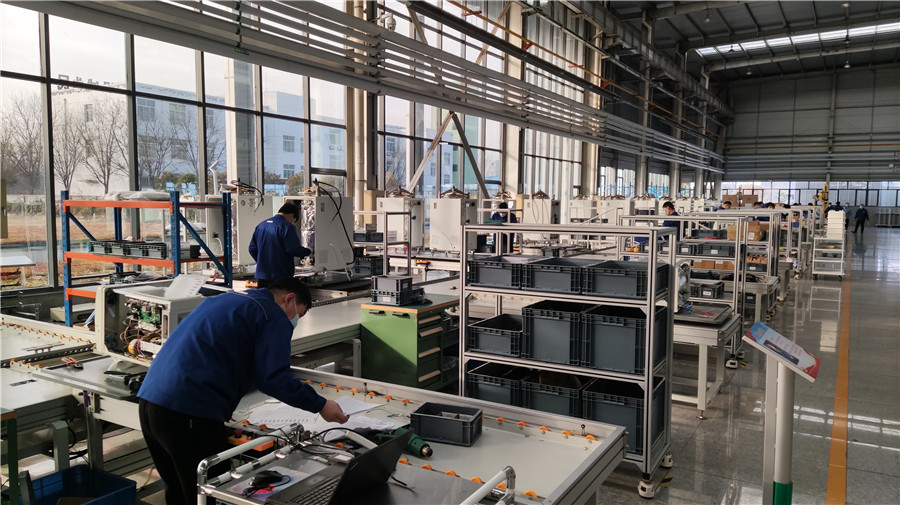
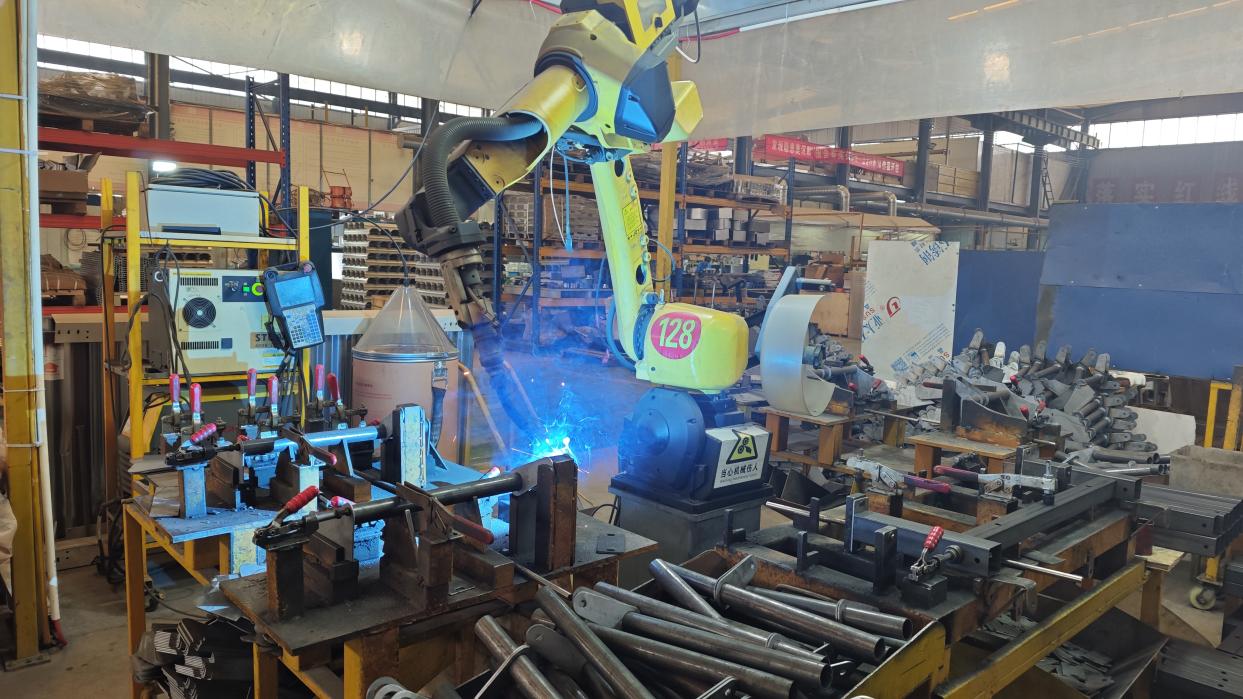
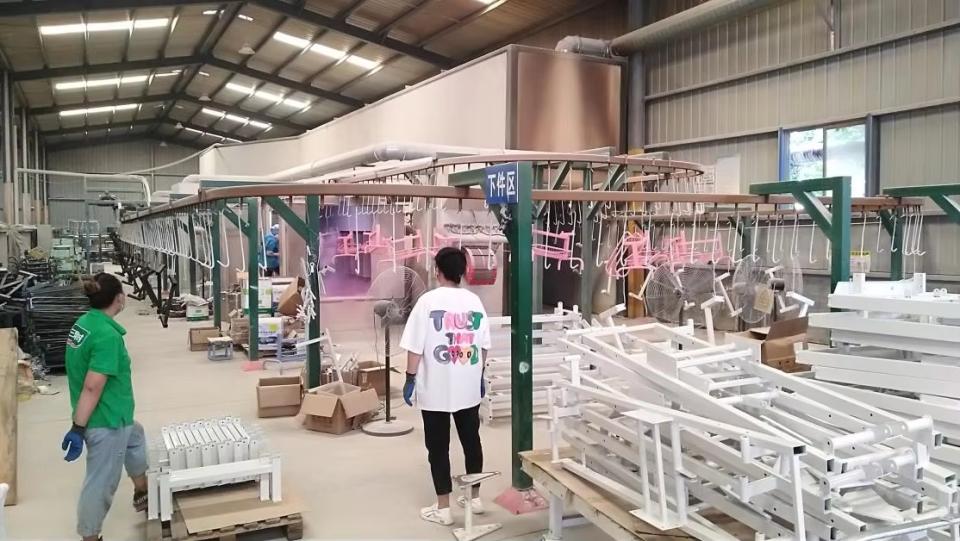
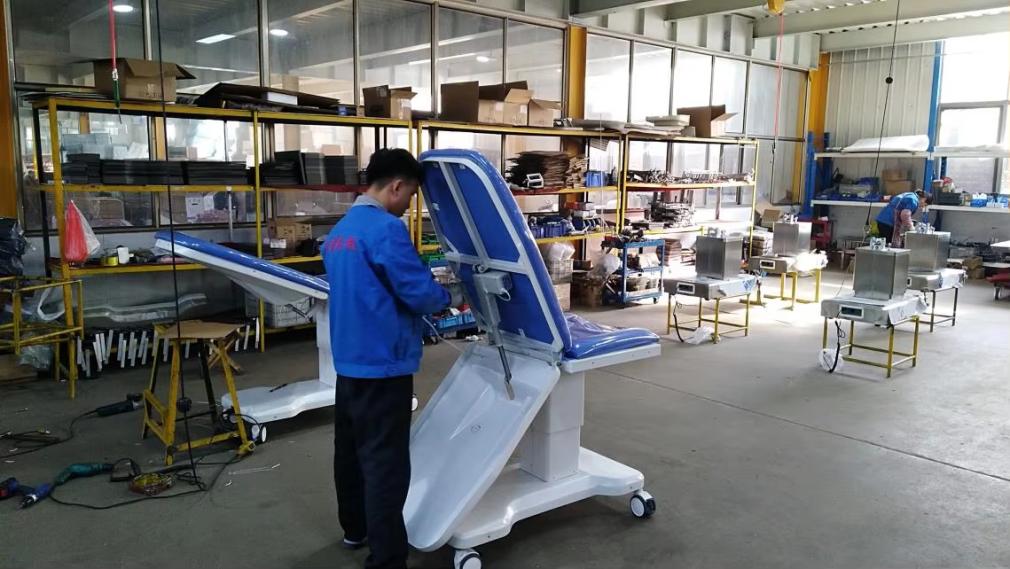
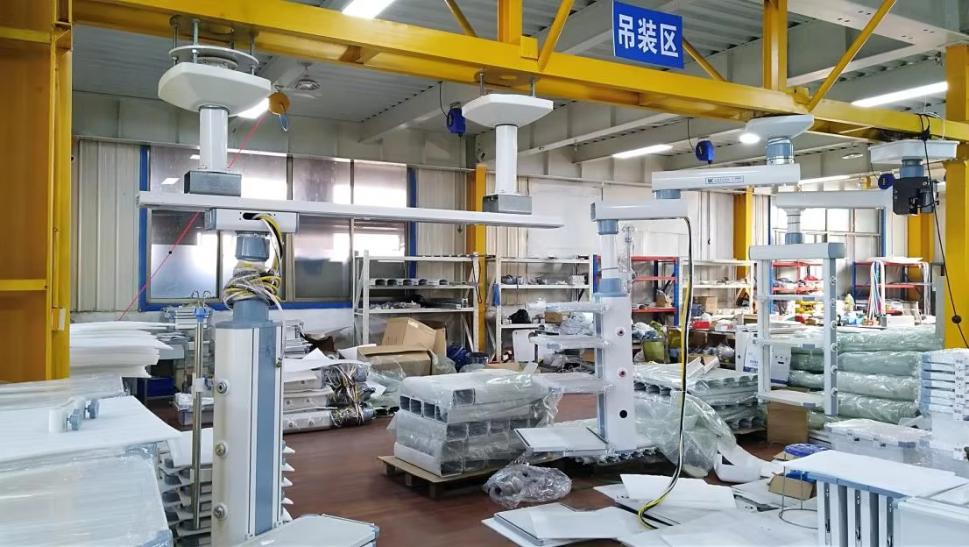
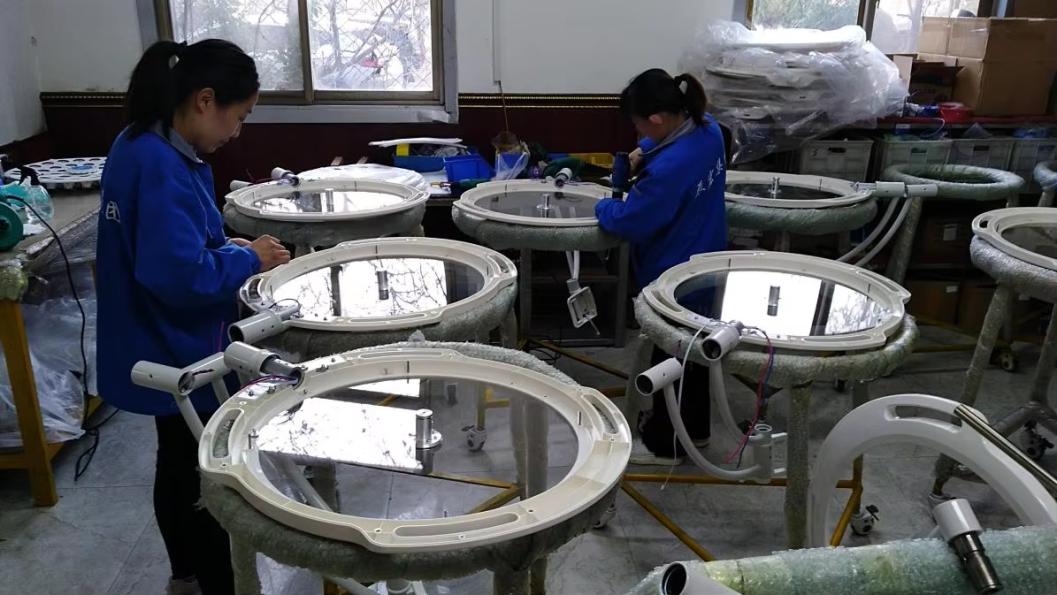
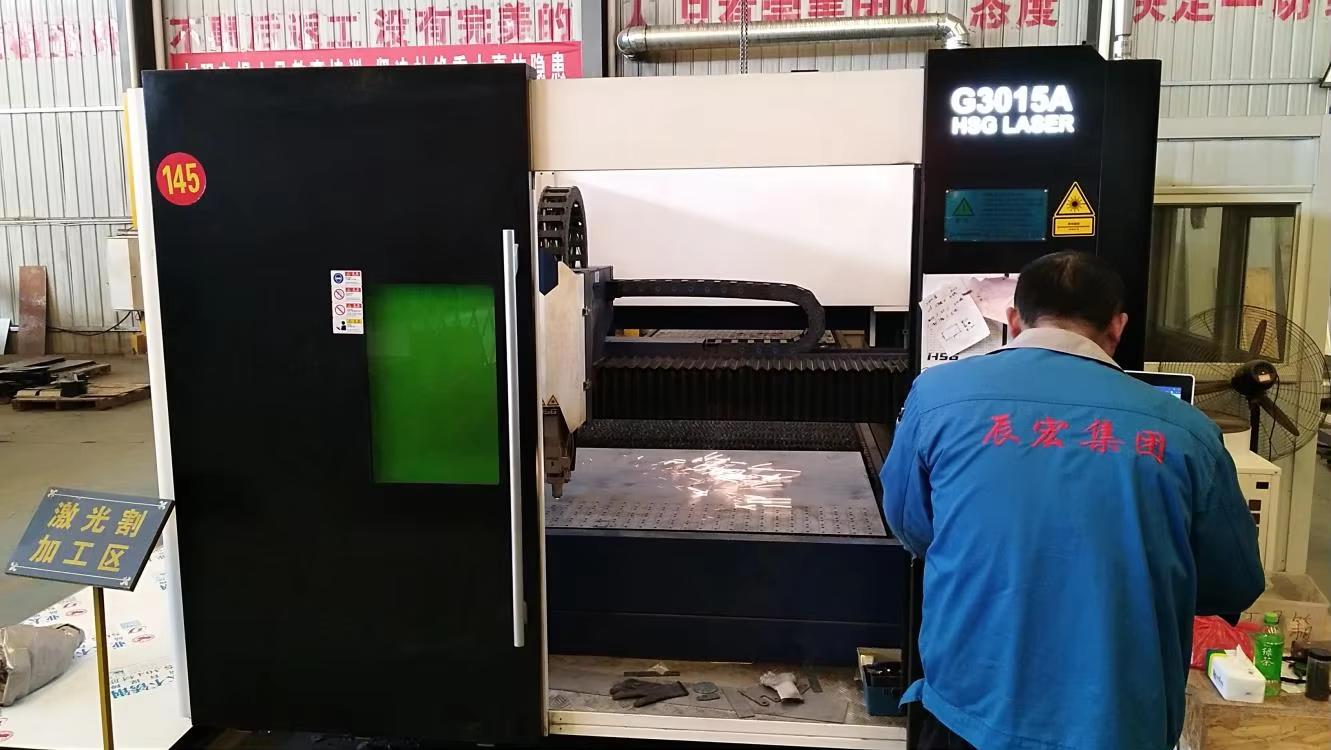
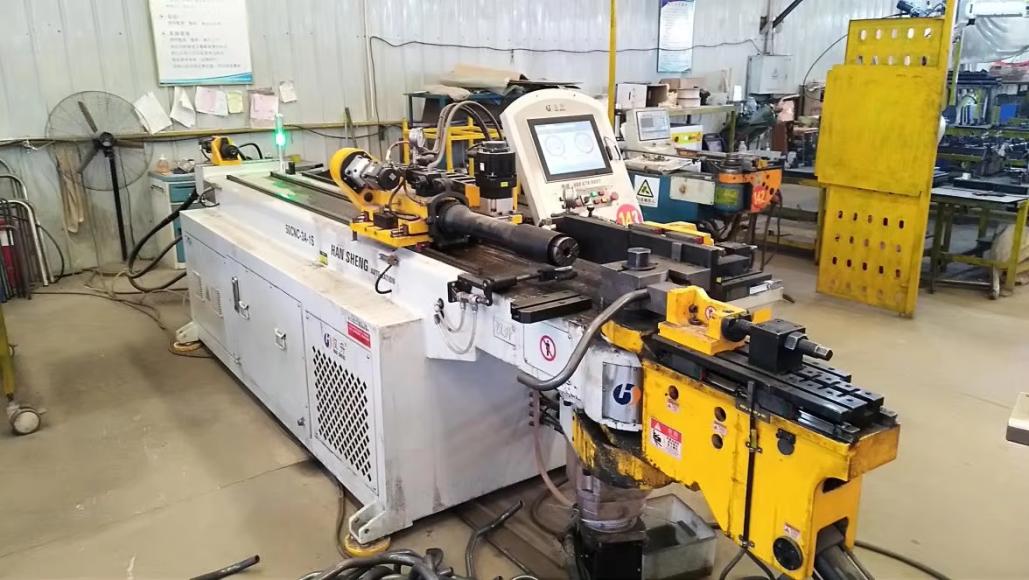
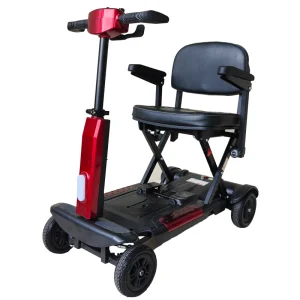
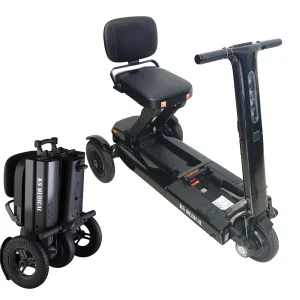
Our workflows ensure that all structural components—such as the lightweight chassis for remote-controlled folding mobility scooters—are welded with consistent penetration and tensile strength. Surfaces undergo electrostatic powder coating to prevent corrosion from cleaning detergents and body sweat. At the same time, mechanical sub-assemblies undergo multi-axis calibration and electronic debugging to ensure consistent performance over their service life.
Entering international markets requires strict compliance with complex regulatory frameworks. For example, CE marking is necessary for Europe, FDA clearance is required for the United States, and ISO 13485 certification ensures a quality system compliant with medical standards. Evolve Medical manages this documentation to support smooth customs clearance and regulatory approval.
| Target Region | Required Certifications | Compliance Checkpoints | Evolve Medical Readiness |
|---|---|---|---|
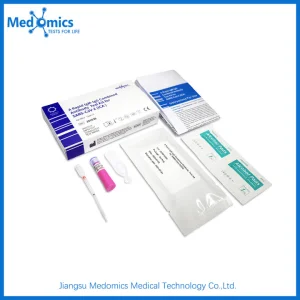
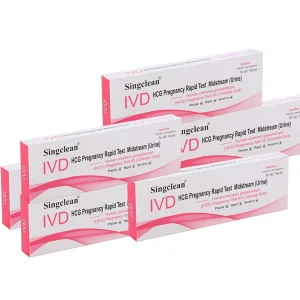
| European Union | CE MDR 2017/745 & IVDR 2017/746 | Biocompatibility, clinical safety reporting, risk management files. | CE approved rapid diagnostic kits and respiratory equipment. |
| Global Markets | ISO 13485 Quality Standard | Traceability of raw material batches, cleanliness validation, corrective action systems. | Certified manufacturing facilities with systematic documentation. |
| North America | FDA Class I/II Registration | Device master files, strict production controls, and safety reviews. | Products are structured to align with FDA listing guidelines. |
By partnering with an ISO-certified supplier, B2B importers can avoid the risks of import seizures, liability claims, and supply interruptions. Technical documentation, including test reports, biocompatibility reviews, and cleanroom validation certificates, is available for all products to assist with local regulatory submissions.