1 / 5
 Evolve Medical
Technical Specifications
Product Overview
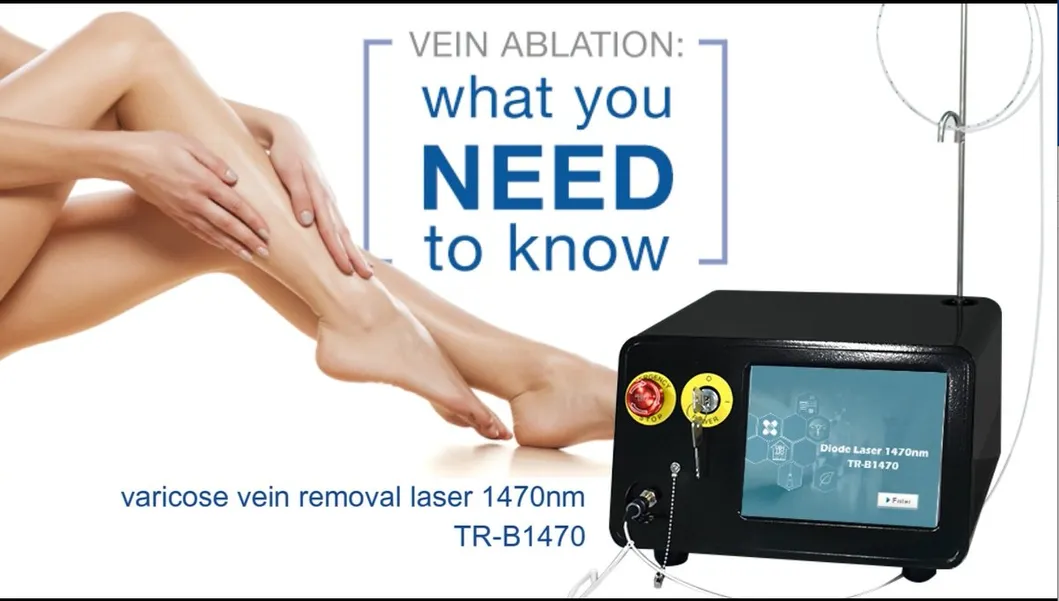
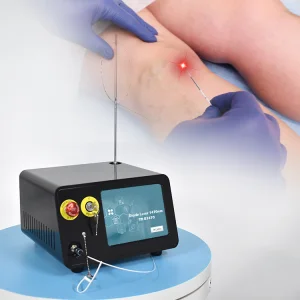
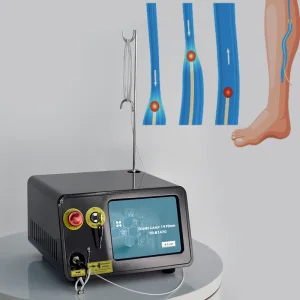
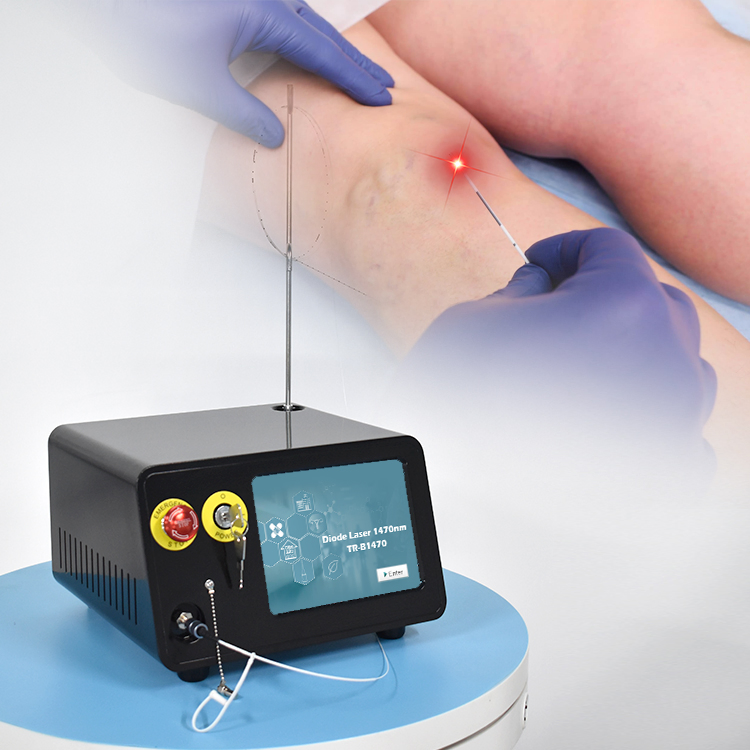
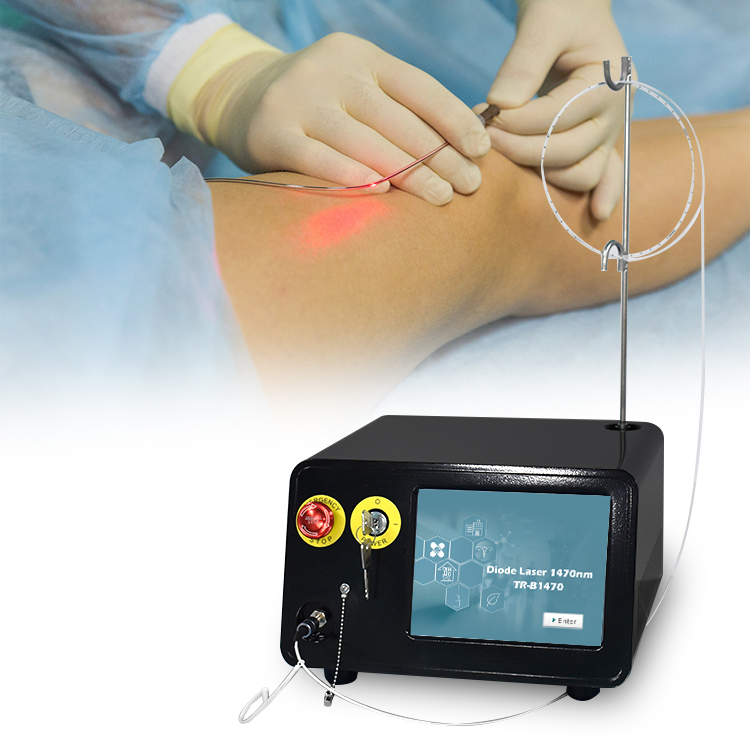
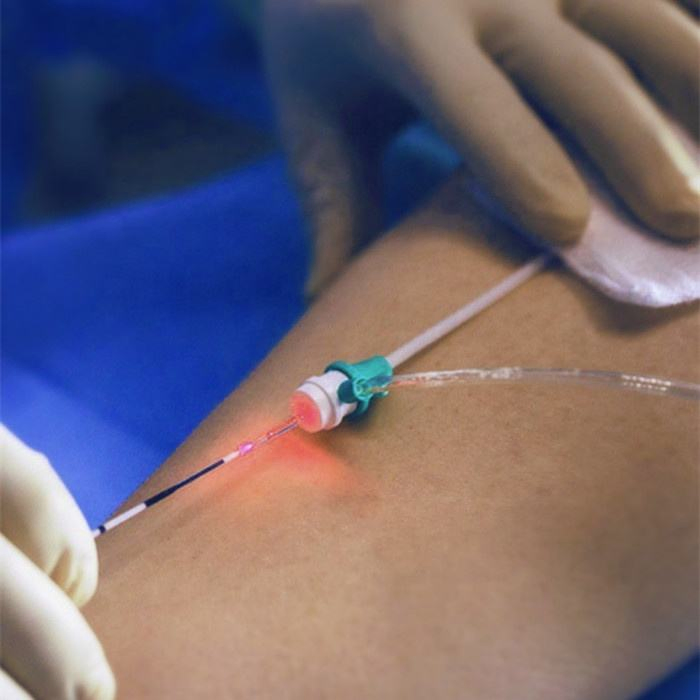
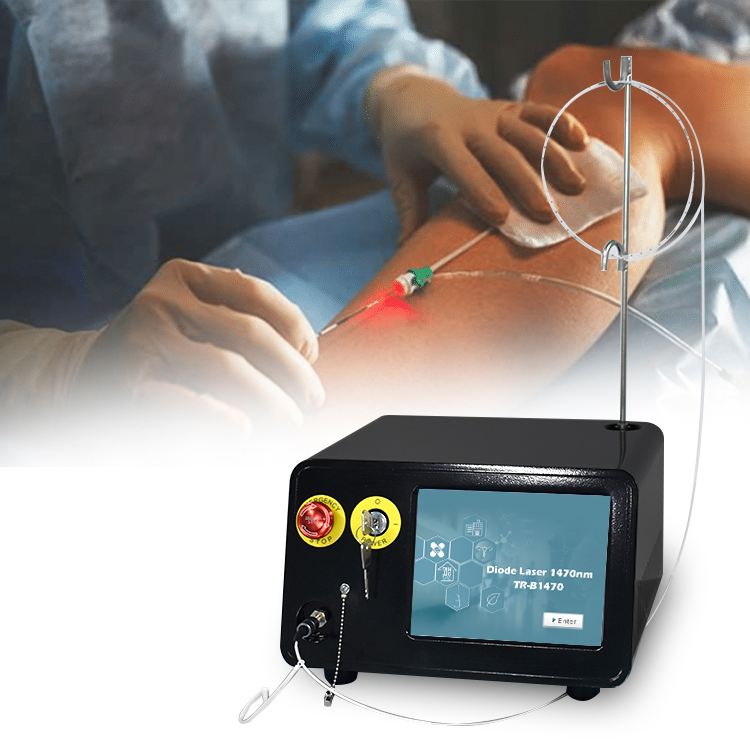
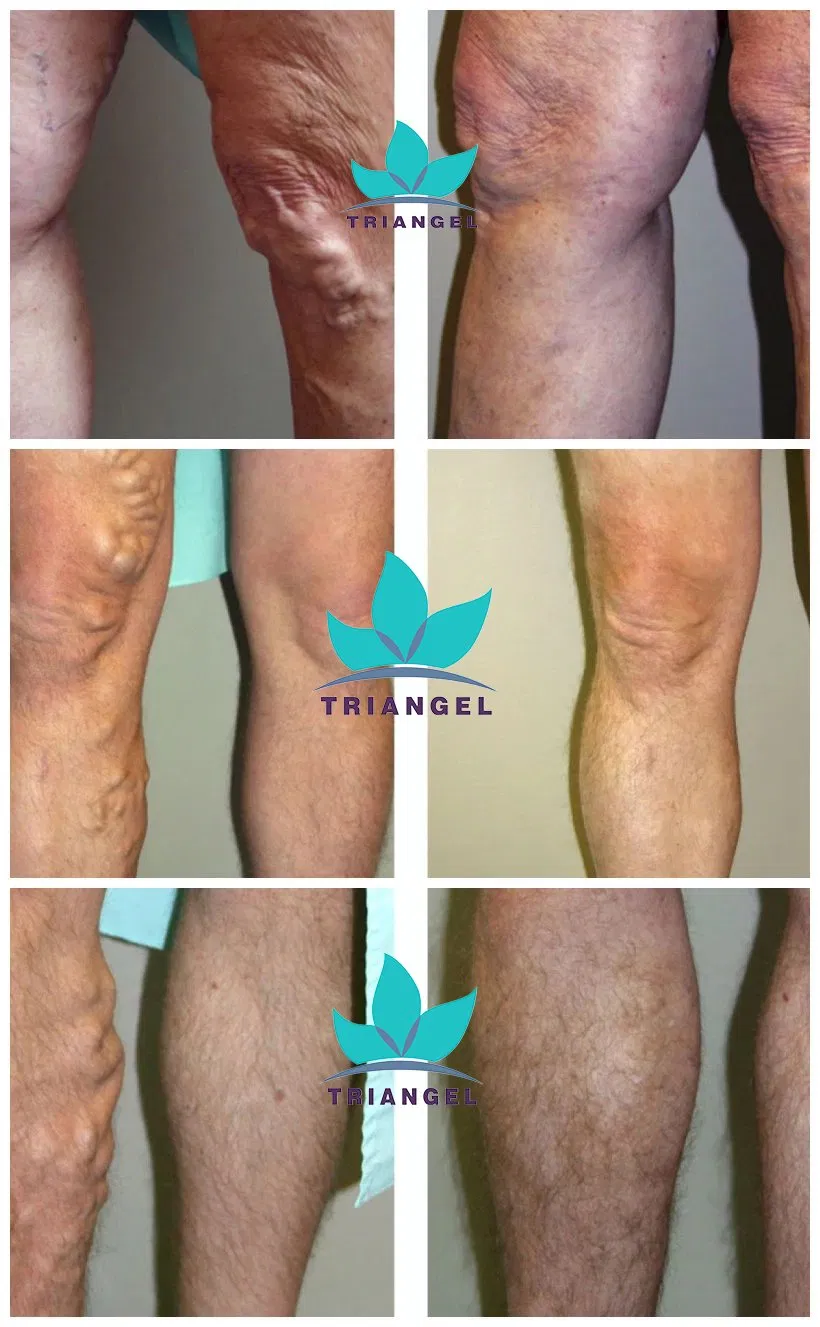
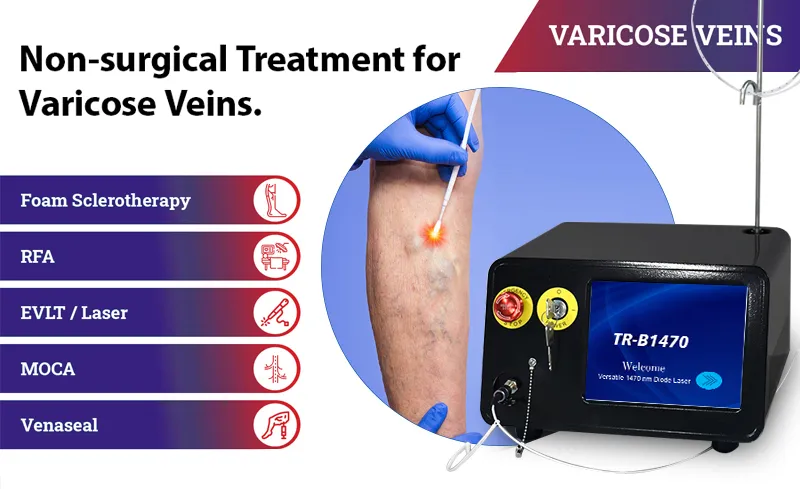
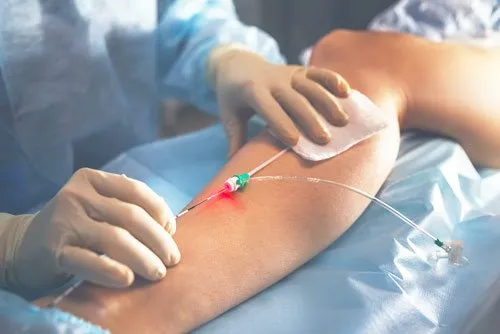
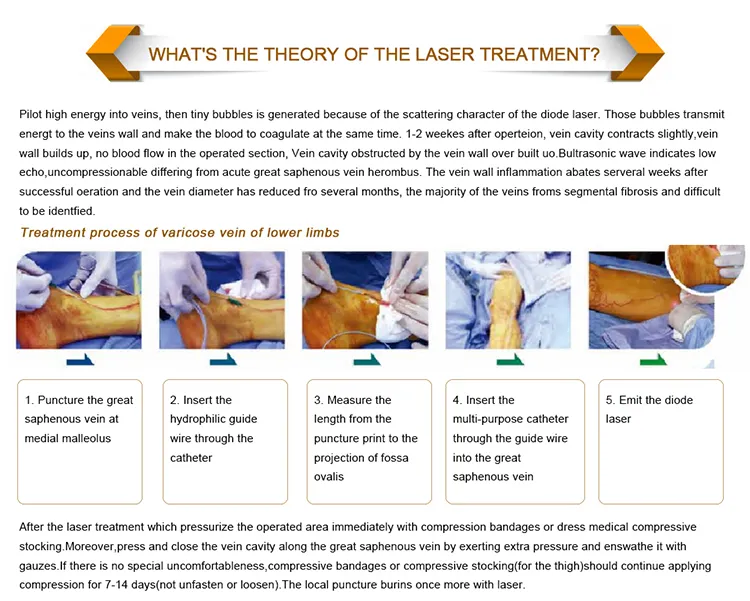
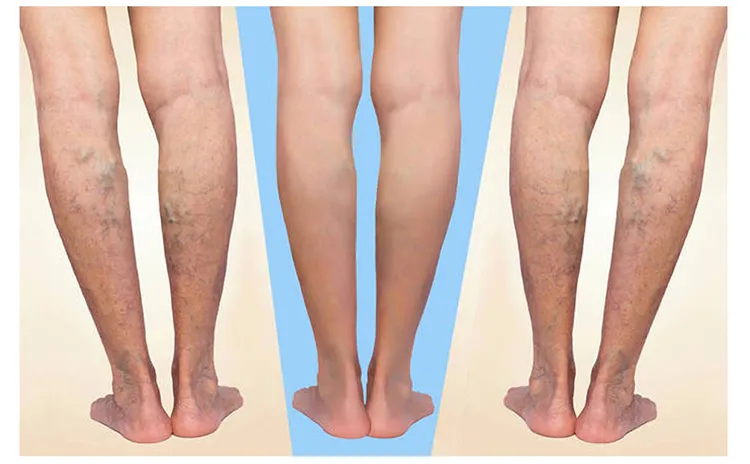
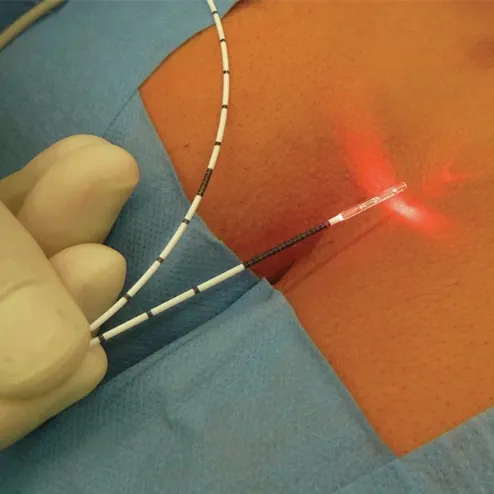
Endovenous laser varicose vein surgery is a modern procedure that utilizes thermal energy from a laser to treat varicose veins. These are typically swollen, bulging veins often found on the thighs or calves. The laser surgery effectively closes and shrinks the targeted vein, causing scar tissue to form within the vessel, which seals it off. Blood circulation is then naturally redirected through healthier nearby veins.
Optimal Laser 1470nm Technology
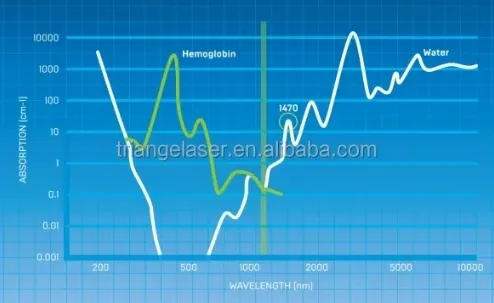
The 1470nm wavelength is absorbed by water and oxyhemoglobin at a rate significantly higher than traditional 980nm lasers. This allows for selective destruction of the vein with lower energy requirements, significantly reducing side effects and collateral damage to surrounding tissues.
Clinical Applications
The 1470nm laser system is highly versatile and used for treating various venous conditions:
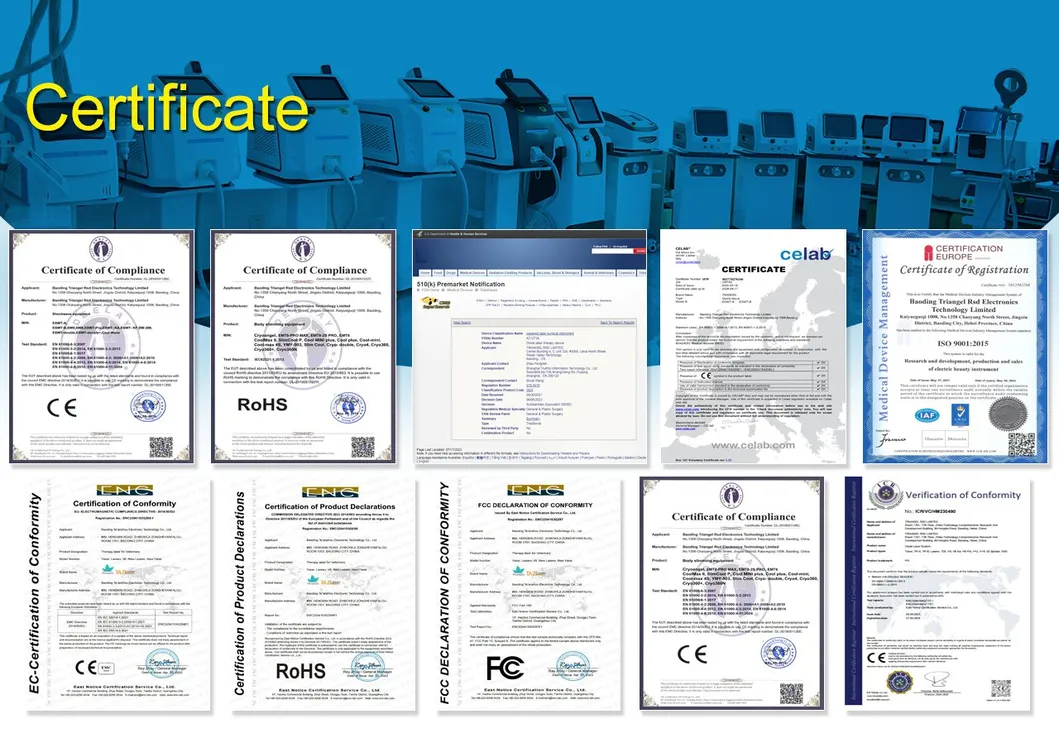
Accessories & Certifications
Frequently Asked Questions
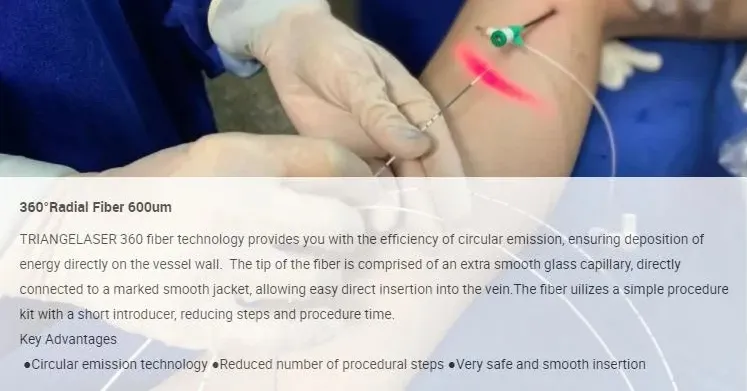
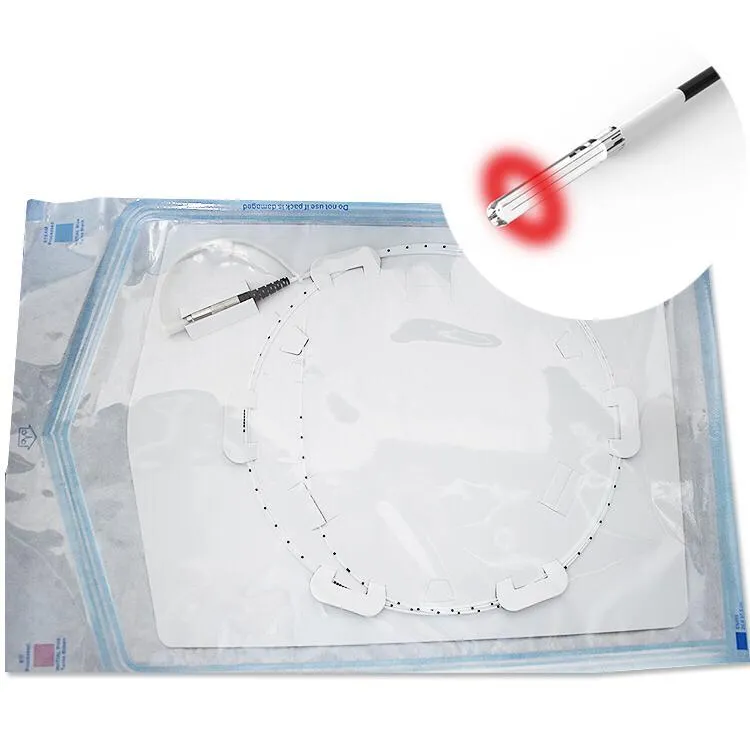
EVLT (Endovenous Laser Treatment) is a minimally invasive procedure where laser energy is delivered through a thin fiber to the inside of a damaged vein. The heat causes the vein to collapse and seal shut.
The 1470nm wavelength is specifically absorbed by water in the vein wall. It is at least 5 times more efficient than 980nm, meaning it requires less power, causes less pain, and results in fewer bruises.
Most patients experience minimal discomfort. The procedure is performed under local anesthesia, and because the 1470nm laser is very precise, post-treatment soreness is significantly lower than traditional surgery.
Recovery is very fast. Most patients can return to normal daily activities immediately after the procedure, although strenuous exercise should be avoided for a few days.
Beyond varicose veins, this system is effective for physical therapy, nail fungus removal, spider vein treatment, laser lipolysis, and various surgical applications in ENT and Gynecology.
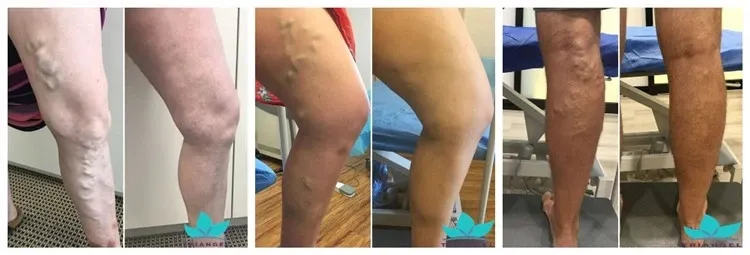
Clinical studies show that EVLT has an exceptionally high success rate, typically around 98%, with much lower recurrence rates compared to traditional vein stripping.